Evaluating High School’s Role in College Preparation
As you help your child plan for life after graduation, you may wonder: does high school prepare you for college?

College takes more than strong grades and academic knowledge. Your student also needs skills that help them handle greater freedom and responsibility. They need to read challenging material, work well with others, speak up when they need help, and manage several priorities at once. Building these skills during high school can make the move to college feel much more manageable and help your student start with greater confidence.
Many students first notice gaps in their preparation during college. They may have completed high school with good grades but still struggle. Managing time, handling harder classes, and asking for help can feel new. High school often provides more daily support than college does. Giving your student more chances to work independently can help them build useful habits before they face the greater freedom and responsibility that come with college.
This gap shows why strong college preparation matters during high school. Students need more than classes that help them earn a diploma. They also need experiences that prepare them for what college actually requires. Even strong students can feel overwhelmed without enough practice. Xceed Preparatory Academy helps students prepare through a flexible, student-centered approach that supports academic growth, greater independence, and the skills students can use throughout college.
According to the National Center for Education Statistics, only 37% of high school seniors are proficient in reading and 25% in math. These numbers show that many students finish high school without strong skills in key academic areas. Private schools can take different approaches to college preparation based on their classes, counseling, and academic structure. Many focus on helping students grow both academically and personally before college begins.
Looking closely at high school preparation can help you make better choices. The goal should go beyond simply helping your child get into college. Strong preparation can help your student arrive ready to handle new challenges, make smart choices, manage their responsibilities, and grow more independent. The right high school experience can give your child valuable practice with these skills before college starts and the expectations become much greater.
What Academic Success Looks Like in a Private School
Grades, test scores, and advanced classes are common signs of academic success. You may also notice progress in ways that are harder to measure. Your child may become more organized, independent, or confident when schoolwork gets difficult. These changes matter because college requires students to manage much more on their own. Watching how your child handles responsibility can tell you a lot about their readiness for life after high school.
Success will look different for every student. Your child may be ready for harder classes and greater academic challenges. Another student may need more practice managing assignments without daily reminders. Some students need help building planning and organization skills. A flexible schedule can also help students stay focused while managing responsibilities outside school. The right approach gives your child room to grow while building habits that can support college success.
Private school enrollment alone does not promise stronger academic results. The quality of teaching and the expectations of the school both matter. Your child’s effort, family support, and access to help also play important roles. Every student has different strengths, goals, and challenges. A school that works well for one child may not fit another. Looking beyond the school label helps you focus on what your student truly needs to succeed.
It also helps to put public and private school comparisons into context. Your child’s academic background and family situation can affect school performance. A school’s admissions policies can influence its results as well. These differences make simple comparisons difficult. Looking at the full picture gives you a better way to understand school outcomes and decide which learning environment may provide the right academic challenge and support for your child’s needs.
Higher test scores or graduation rates at private schools do not prove that school type caused those results. Many factors can shape how students perform over time. Looking beyond averages can help you understand what a school actually offers your child. Consider the teaching approach, academic expectations, available support, and opportunities for independence. These details can provide a more useful picture than school-wide numbers alone when you are comparing your options.
Keeping these factors in mind can make your school search more useful. Look at how teachers challenge students and what happens when someone needs help. Consider how much responsibility students have for their own work. Your child should have opportunities to become more independent while still receiving useful guidance. A strong school environment helps students build confidence, manage challenges, and develop habits they can carry with them into college.
Rigorous Academic Curriculum and Advanced Coursework
One strong sign of college readiness is experience with challenging academic work. At Xceed Preparatory Academy, students can access Advanced Placement (AP) courses, dual enrollment opportunities, and honors classes. These options introduce students to higher academic expectations before college. Challenging courses can also help your child strengthen study habits and persistence. Those skills become especially important in college, where students often have greater responsibility for managing their own learning.
Advanced coursework gives students more practice with critical thinking, time management, and higher academic expectations. Your child can learn how to handle challenging assignments, prepare for difficult tests, and manage a heavier workload. This experience can build academic confidence and stronger study habits. It also gives students a better idea of what college classes may require. College expectations can feel more familiar when students have already practiced handling demanding work.
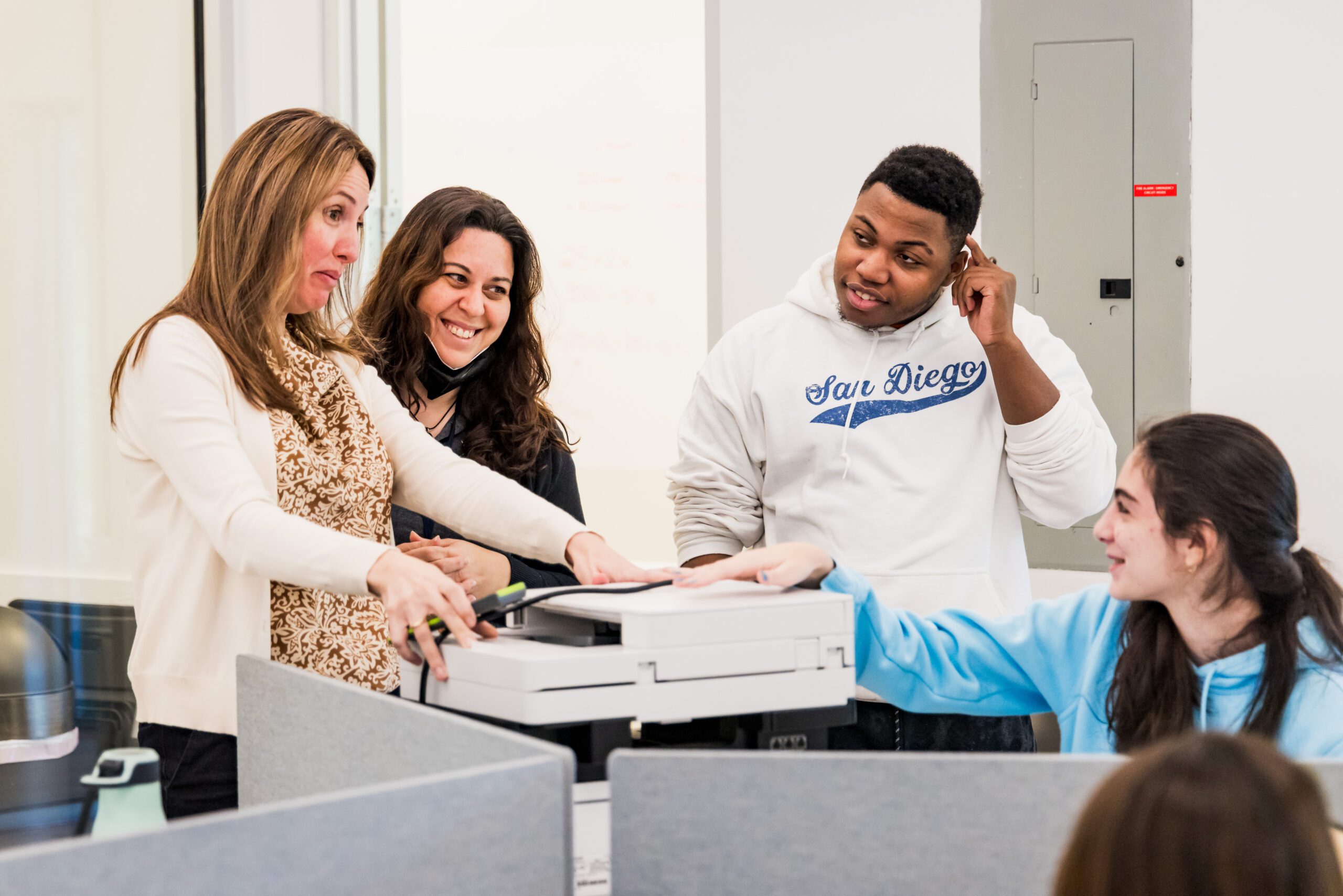
At Xceed, personalized schedule planning helps your student choose courses that support their interests, outside activities, and future goals. Students may take AP, honors, or dual enrollment courses when those options fit their needs and readiness. This approach helps students build a schedule around meaningful academic goals. Your child can prepare for college-level work while still making room for the other responsibilities and activities that matter in their life.
That flexibility also gives your student more responsibility for managing schoolwork and making academic choices. Students can practice planning their time, keeping track of assignments, and developing stronger study habits. They also gain experience making thoughtful decisions about their academic path. These everyday responsibilities can prepare your child for college, where professors expect students to manage their schedules, complete work independently, and take greater ownership of their education.
Comprehensive College Counseling and Personalized Guidance
Many public high school counselors manage very large groups of students. Average caseloads can reach 424 students for each counselor. With so many students needing support, counselors may have limited time for personal college planning. Your child may need help choosing schools, understanding requirements, meeting deadlines, and making important decisions. More individual guidance can give students additional support while they work through this important stage of their education.
Students may receive limited help with college applications when counselors have little available time. That can make it easier to miss deadlines, overlook scholarships, or make choices without enough information. Applying to college involves many steps, and students can feel overwhelmed while managing them alongside regular schoolwork. Consistent guidance can make the process easier to understand and help your child stay organized while making thoughtful choices about their future.
Xceed includes college counseling as part of the high school experience. Students can begin planning before application season starts. Early guidance gives your child more time to think about goals, interests, and possible college choices. Students can receive help with college research, course planning, applications, and other parts of the admissions process. Regular support can make college planning feel more manageable while helping students stay involved in their own decisions.
Early, individualized guidance can help students find suitable colleges, strengthen applications, and reduce stress during the application process. At Xceed, college planning continues as your student’s interests and goals develop. Students take an active role in thinking about their future and making academic choices. This ongoing process helps your child connect current school decisions with personal interests, college plans, and the long-term goals they want to pursue.
This support can also help your family consider financial aid, career interests, and other important parts of college planning. The college process can feel confusing when families face many choices at once. Helpful guidance makes those choices easier to understand. Your student can learn how to compare options, ask useful questions, and make informed decisions. These skills can build confidence while helping your child take greater ownership of their academic future.
The Role of Family Involvement in Academic Success
You often notice changes in your child before anyone else does. Staying involved can help you spot changes in motivation, school performance, or academic needs. Your support still leaves room for your student to take more responsibility. That balance becomes important as college gets closer. Staying connected without managing every task can help your child practice making decisions, solving problems, and taking greater ownership of their schoolwork.
At Xceed Preparatory Academy, these conversations are part of personalized schedule planning. Your student’s interests, activities, academic needs, and future goals can help guide course choices and scheduling. Priorities can change, and choices for future terms can be reviewed while current courses remain in place. Communication between your family, student, and school can also help identify times when organization guidance or added academic support may help your child keep moving forward.
Development of Essential Soft Skills and Independence
College readiness goes beyond grades and test scores. Your student also needs strong communication, leadership, and time management skills. These abilities can shape how well your child handles college life. The first year can bring new schedules, responsibilities, people, and expectations. Students who practice managing these areas during high school can enter college with useful experience and greater confidence in their ability to handle everyday challenges independently.
Without strong people and organization skills, students may feel overwhelmed by college’s greater freedom and responsibility. Your child may need to manage assignments, communicate with professors, solve problems, and balance several priorities without constant reminders. High school gives students valuable time to practice these skills. Building them gradually can help your student become more comfortable making decisions and taking responsibility before they enter a setting that expects much more independence.
According to the Princeton Day School, hands-on learning can help students build these abilities through real-world problem solving. Project-based learning gives your child opportunities to work with others, solve problems, and present ideas. These experiences strengthen academic skills while building confidence with public speaking, teamwork, and project ownership. Your student gets practical experience taking responsibility for work and contributing to a group working toward a shared goal.
Xceed’s flexible schedule and smaller learning environment give students regular opportunities to manage their time and communicate with teachers. Your child can take greater responsibility for assignments and daily schoolwork. These experiences help students practice independence while support remains available. They also encourage students to speak up when they need guidance. Those habits can become valuable in college, where students are often expected to ask questions and seek help themselves.
Extracurricular activities can add another valuable part of this growth. Debate, robotics, theater, athletics, and volunteer work can help students explore interests while developing useful life skills. Your child can practice leadership, teamwork, empathy, and confidence outside regular classes. Staying involved also gives students experience managing school alongside other responsibilities. Consistent participation can show college admissions teams that a student contributes to their community while maintaining academic responsibilities.

Higher College Enrollment and Graduation Rates
Private schools often report higher college enrollment and graduation rates than public schools. According to the Council for American Private Education (CAPE), 88% of private high school graduates apply to college, compared with 57% of public school graduates. These numbers provide useful context when considering college preparation. They also show why families may want to look closely at how a school supports students before graduation and during college planning.
Xceed prepares students for college through challenging coursework, flexible scheduling, and college planning support. Your student can set meaningful college goals while receiving guidance throughout the process. Ongoing academic support can help students stay focused on course requirements, applications, and plans after graduation. This approach gives your child opportunities to make decisions and manage responsibilities while still having access to guidance during an important period of academic and personal growth.
A National Student Clearinghouse report also found that private school students are more likely to complete their college programs within four years. Early and consistent preparation can help students enter college with useful academic habits and experience. Dual enrollment can also allow students to earn college credit while still in high school. That opportunity may shorten the path toward a degree and help families reduce some college costs.
Xceed combines academic guidance, college-prep coursework, and flexible scheduling to help your child prepare for higher education. Students get practice managing their work, making academic choices, and taking greater responsibility before college begins. These skills can make the transition feel less unfamiliar. Your student enters the next stage with experience handling responsibilities that college students face every day, while building confidence through choices and challenges during high school.
Finding the Right Private School for Your Student
A school can look impressive on paper without being right for your child. Classes and reputation matter, but they are only part of the decision. Look at how the school teaches, how its schedule works, and what support students receive. Think about your child’s goals, interests, and preferred way of learning. The right fit should give your student opportunities to grow academically while developing greater confidence and independence.
When exploring the benefits of private school, look closely at the academic options students can actually use. Consider how the schedule works and what support is available when students need extra guidance. Ask about activities, help for learning differences, and college planning. These details can help you understand the daily student experience and decide whether a school offers the flexibility, challenge, and support your child needs.
Public and private schools can both provide strong educational experiences. Your family’s decision comes down to how well a specific school fits your child’s priorities and learning needs. Scheduling may matter greatly for athletes, performers, working students, interns, and families who travel often. A traditional school day may leave little room for these commitments. A more flexible approach can help students continue pursuing important interests while completing their academic work.
Xceed uses personalized schedule planning, self-paced learning, and blended learning to provide that flexibility. Based on their goals and readiness, students may also have access to ESE/SPED support, honors classes, Advanced Placement courses, dual enrollment, and early graduation. These options give your child different ways to build an academic path that supports future plans while leaving room for responsibilities, activities, and interests outside the classroom.
The Private School Advantage in College Preparation
Your child’s high school years can shape how prepared they feel for college. Private schools like Xceed connect academic coursework, college guidance, and skill development with the demands students may face after graduation. Your student gets opportunities to take challenging classes, make academic decisions, manage responsibilities, and plan for the future. Together, these experiences can help your child build the knowledge, habits, and confidence needed for the transition to college.
These strategies work together to support your student’s academic and personal growth:
Choosing the right high school is an important decision for your family. You want an environment that prepares your child for college while supporting their goals and interests today. Learn more about how Xceed supports different types of students through honors, dual enrollment, and AP courses. You can also schedule a private tour to see how a personalized approach can help your student prepare for what comes next.