
Private School vs. Charter School: A Parent’s Guide to Key Differences
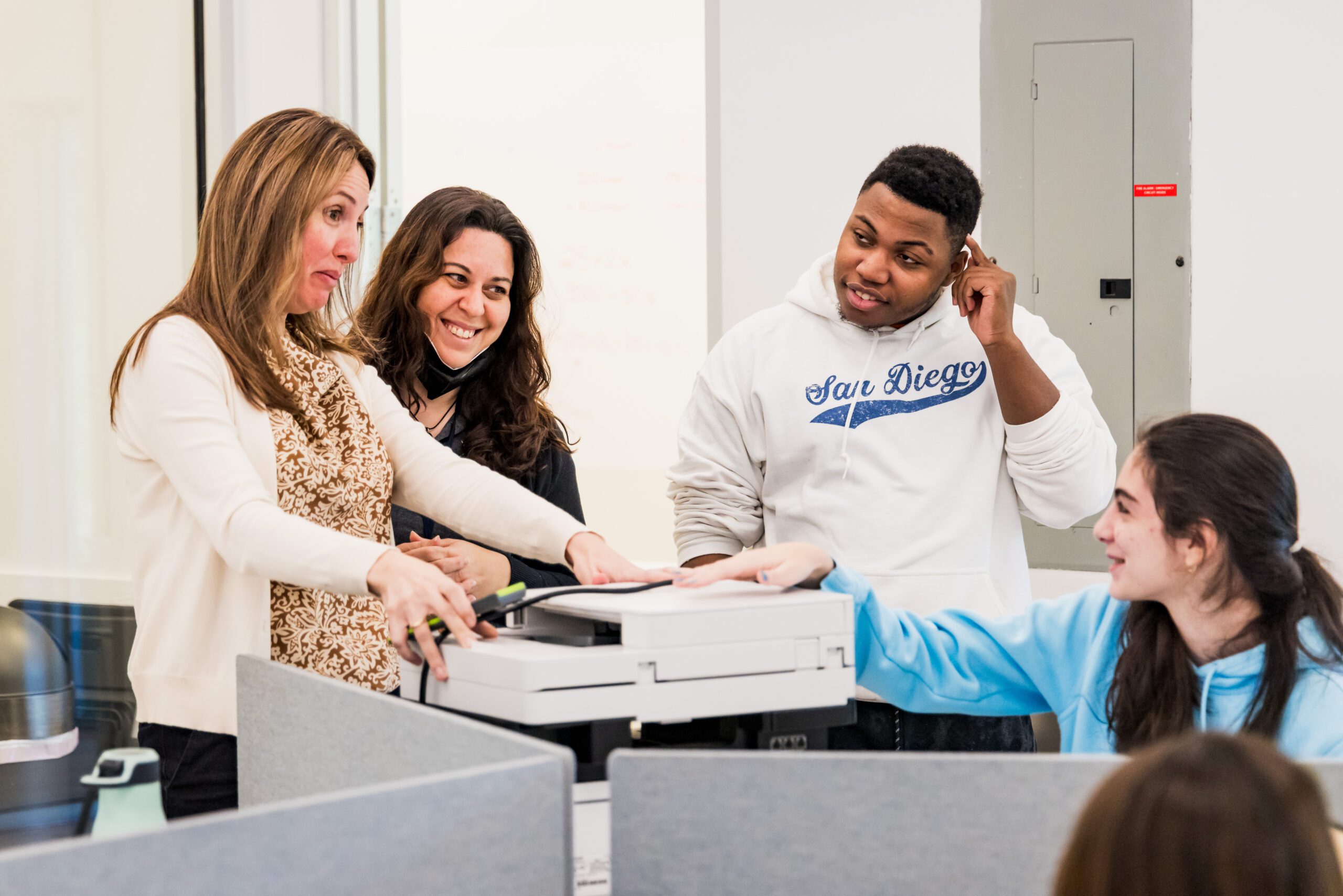
Families across Florida are weighing more educational options than ever, each with its own philosophy, structure, and approach to student learning. Two of the most frequently compared paths – charter school vs. private school – offer distinct experiences shaped by differences in funding, flexibility, and support.
Rather than focusing on what sounds good in theory, many parents are asking a more practical question: What kind of environment will truly help my child thrive?
At Xceed Preparatory Academy, we’ve partnered with families navigating this very decision. We’ve seen how personalized learning and a supportive setting can change a student’s trajectory – and how understanding the details behind each school model can make that choice much clearer.
Private School vs Charter School — The 7 Core Differences
At first glance, private schools and charter schools may seem similar. Both operate outside the traditional public school model, often offer specialized educational approaches, and attract families looking for alternatives to their local school district.
However, the differences between a private school vs charter school are significant. The table below provides a high-level comparison before we examine each area in more detail.
| Category | Private School | Charter School |
|---|---|---|
| Funding | Tuition, donations, grants, endowments, and private funding sources | Publicly funded through state and local education dollars |
| Tuition | Families pay tuition unless scholarships or aid are available | Tuition-free |
| Admissions | May require applications, interviews, transcripts, or assessments | Open enrollment; lottery used when applications exceed available seats |
| Accountability | Accountable to governing boards, families, and accrediting organizations | Accountable to charter authorizers and performance contracts |
| Curriculum Flexibility | High degree of autonomy | Greater flexibility than a traditional public school, but still subject to state requirements |
| Religion & Values | May include religious instruction or mission-based educational philosophies | Must remain nonsectarian and cannot provide religious instruction |
| Teacher Certification or Credentials | Certification requirements vary by school | State certification is often required or strongly preferred for charter school teachers |
How Private and Charter Schools Compare on Academic Outcomes
When comparing a private school vs charter school, many families want to know which option produces stronger academic results. The answer depends largely on the individual school. Research from Stanford University’s 2023 National Charter School Study found that students attending charter schools gained the equivalent of 16 additional days of learning in reading and 6 additional days in math each year compared to similar students in a traditional public school setting. These gains were especially notable among many historically underserved student groups.
At the same time, national assessment data from the National Assessment of Educational Progress (NAEP) has often shown higher average academic performance among students attending private schools. However, researchers caution that factors such as family involvement, admissions practices, and student demographics can also influence these results.
Academic outcomes extend beyond test scores. Families should also consider college readiness, counselor access, advanced coursework, and postsecondary results. At Xceed Preparatory Academy, students receive individualized academic guidance and ongoing college counseling, helping graduates earn admission to universities including Columbia, the University of Miami, Pepperdine, Purdue, Loyola Marymount, and Howard University.
Ultimately, there are exceptional and underperforming schools in every model. Some charter schools significantly outperform nearby district schools, while some private schools offer highly personalized college-preparatory experiences. Rather than focusing solely on school type, families should evaluate the specific programs, support systems, and opportunities available at each school they are considering.
The Xceed Advantage: Personalized Private Education
At Xceed, we believe in creating a learning environment that matches the needs of the modern student. Here’s how our model rises above both traditional private schools and charter settings:
Flexible Scheduling
Our students include athletes, performers, entrepreneurs, and those balancing travel or health considerations. Flexible schedules allow students to thrive without missing academic momentum. This adaptability is rarely available in a public charter school or even a traditional high school environment.
Personalized Learning Plans
At Xceed, education is not one-size-fits-all. Every student receives a personalized learning plan tailored to their goals, pacing, and strengths. Teachers collaborate with students and families to adjust academic strategies throughout the year, promoting true mastery, not just completion.
College Preparation
From day one, students work with college counselors to align academics with future aspirations. Our students take advantage of AP courses, dual enrollment, and early college exploration – positioning them for a smooth transition after graduation.
Support for Students with Learning Differences
Families comparing a private school vs charter school often ask about special education support. Xceed offers ESE/SPED services and works closely with families to support students with diverse learning needs. Combined with small class sizes and personalized attention, this approach can provide a level of flexibility and individualized guidance that some students benefit from as they navigate academic challenges.
Small Community Culture
Xceed intentionally maintains small class sizes, fostering close relationships between students and teachers. Only 6.6% of private schools nationwide have more than 500 students, and our model reflects that intimacy and connection. With highly experienced private school teachers, students receive meaningful support and mentorship.
Parental Satisfaction
According to Pew Research, 79% of private school parents express strong satisfaction with their child’s education. At Xceed, we generally exceed that figure – thanks to our combination of academic flexibility, social support, and future readiness.
Common Myths About Private and Charter Schools — Answered
When comparing a private school vs charter school, families often encounter misconceptions about both models. Here are some of the most common myths—and the reality behind them.
Myth: Private School Students Lack Socialization
Many parents worry that smaller schools offer fewer opportunities for social development. In reality, students at Xceed participate in clubs, extracurricular activities, school events, and leadership opportunities that help them build friendships, collaboration skills, and confidence. Smaller school communities can also make it easier for students to form meaningful connections with peers and teachers.
Myth: Charter Schools Aren’t Academically Serious
Academic quality varies from school to school, but many charter schools deliver strong outcomes. Families should evaluate individual schools rather than assuming one model is inherently stronger than another.
Myth: Charter Schools Can Pick Their Students
Unlike most private schools, charter schools must generally use open enrollment. When applications exceed available seats, students are admitted through a lottery process, and many popular charter schools maintain waitlists.
Myth: Private Schools Don’t Support Students with Learning Differences
Support services vary by school. At Xceed, students have access to ESE/SPED support, differentiated instruction, and personalized academic guidance. We work closely with families to support students with diverse learning profiles and help them succeed in a structured, supportive environment.
Myth: Teacher Quality Depends on School Type
Teacher quality is influenced by experience, expertise, and school culture, not simply whether a school is public, charter, or private. According to NCES data, teacher demographics differ across school types, but families should focus on factors such as teacher engagement, student support, and academic outcomes when evaluating a school.
How to Choose Between a Private School and a Charter School
Whether you’re drawn to a charter school’s accessibility or the tailored benefits of a private-school program, choosing the right school is ultimately about fit, not rankings.
As you compare options, ask yourself the following questions:
- Does my child thrive with structure, independence, or a balance of both?
- How important are small class sizes and individualized attention?
- Does my child need support for learning differences or special education services?
- Are college preparation and one-on-one counseling priorities for our family?
- Does my child participate in athletics, performing arts, entrepreneurship, or activities that require scheduling flexibility?
- What extracurricular, leadership, and social opportunities are available?
- Is private-school tuition realistic for our family budget, and what scholarship or financial aid options are available?
- Does the school’s culture, mission, and learning environment align with my child’s personality and goals?
Certain situations may point families toward one option over another. For example, a charter school may be an excellent fit for families seeking a tuition-free alternative with a specialized academic focus. A private school may be worth exploring if your child would benefit from smaller classes, greater flexibility, individualized support, or a highly personalized college-preparatory experience.
No matter which path you’re considering, take time to visit campuses, observe classrooms, meet administrators, and ask detailed questions about academic support, college outcomes, student life, and special education services.
For families seeking a flexible, student-centered approach, Xceed offers a unique balance of structure, personalization, and support designed to help students thrive both academically and personally.
Explore the Xceed Difference
Choosing a school is about more than proximity – it’s about vision, support, and possibility.
At Xceed, we’re proud to offer several convenient locations in Florida, each designed to provide a safe, supportive, and high-performing learning environment. Our model redefines what private education can look like – accessible, personalized, and aligned with your child’s goals.
Interested in learning more?
- Tour one of our Florida campuses.
- Speak directly with a Head of School to discuss fit and learning goals.
- Ask about financial planning and scholarship support options.
We’re here to help your family find the right path. If you’re ready to explore a learning model designed around student success, let’s start the conversation.
Revolutionizing Education at Xceed Preparatory Academy
The future of education is flexible, student-centered, and focused on outcomes that matter. At Xceed, we’re proud to be part of that movement – creating better opportunities for today’s learners and tomorrow’s leaders.