
What Counts as a “Small” Class – And Why the Research Says It Changes Everything
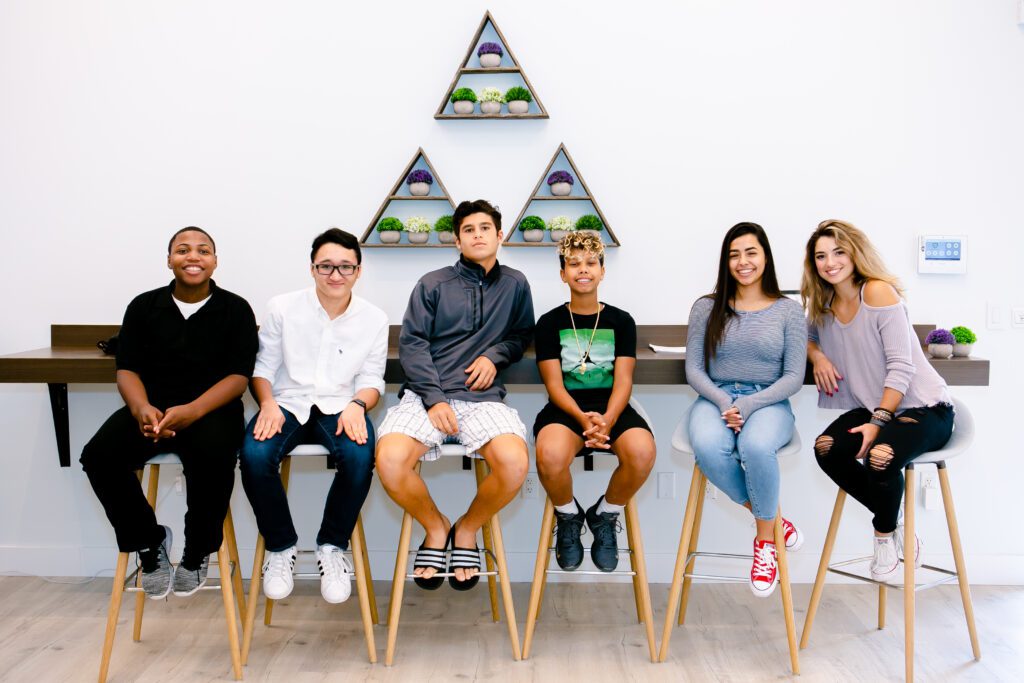
Across the country, families are taking a closer look at what really matters in their child’s education. With every student learning in their own unique way, more parents are looking for schools that offer flexibility, support, and a more personalized approach. That’s where the private school shines – not just for prestige, but for its commitment to personalized, student-focused education.
One of the biggest advantages of private schools? Small class sizes. When students aren’t one of 30 faces in a crowded room, they get more attention, stronger relationships with teachers, and instruction that’s tailored just for them. These aren’t just nice-to-haves – they’re the building blocks of a learning experience that truly works for both private school students and their families.
When families hear the phrase “small class size,” it can mean different things depending on the school. In education research, however, the definition is much more precise. A class of 15 students or fewer to one teacher is widely recognized as the point where meaningful academic and behavioral gains begin to take hold.
This is not a recent discovery. The impact of smaller class size has been studied for decades, with consistent findings across multiple large-scale studies. One of the most influential – Project STAR– followed students from kindergarten through third grade and found that those in smaller classes significantly outperformed their peers with gains linked to an 11.5% increase in high school graduation rates.
Further research reinforces this pattern. A major analysis by Gene Glass and Mary Lee Smith reviewed dozens of studies and found a clear trend. As class size decreases, student achievement improves. The relationship is steady and reliable, not situational or anecdotal.
More recent findings from IZA World of Labor point to a similar range. Classes with 15 to 18 students show the strongest results, particularly in early education. This range allows teachers to balance structure with flexibility, giving students more opportunities to engage without losing instructional focus.
Teachers themselves echo these findings as 90% agree smaller class sizes increase student learning. In another study, 62% say class size directly impacts student academic performance – making this one of the most practitioner-validated findings in all of education research
At Xceed Preparatory Academy, small class sizes are part of our foundation. The benefits of smaller class sizes are not abstract here. They are part of the daily experience, influencing how students learn, interact, and grow. Each campus limits on-site attendance so that students and teachers can connect in meaningful ways. Lessons are built around each learner’s goals and pace, creating a school environment where students feel supported, challenged, and ready to thrive.
Personalized Attention Through Smaller Class Sizes
The power of individualized education becomes even more apparent when you consider the difference class size makes. In many public schools, the average class size climbs to 25 or more students – stretching teachers thin and limiting opportunities for personal attention. By contrast, most private schooling institutions maintain significantly smaller groups, often with fewer than 15 students per teacher.
That difference is more than just a number – it’s a shift in how learning happens. In smaller settings, teachers can adapt lessons in real time to suit each student’s needs, learning style, and pace. At Xceed, this adaptability is built into the experience through a personalized learning plan, which guide every student’s academic journey. These plans reflect not only academic goals but also each learner’s interests and long-term aspirations.
As the Head of School at Xceed’s Coral Springs campus shares, “Small class sizes let us really get to know every student. We see their growth daily.” That kind of connection is difficult to achieve in overcrowded classrooms. It enables teachers to make truly informed, compassionate decisions – resulting in more meaningful progress for every learner.
For students transitioning from middle school or larger traditional environments, this shift can be transformative. They move from passive observation to active engagement – gaining the trust and space they need to explore, ask questions, and take ownership of their education.
Smaller class sizes also change how success is recognized. In large classrooms, learning is often reduced to broad benchmarks. Xceed teachers have the time and insight to celebrate individual milestones – whether it’s mastering a tough concept or developing stronger study habits. These wins matter, and they build confidence.
Families benefit, too. With fewer students per teacher, communication becomes more regular and more detailed. Parents receive meaningful updates on academic progress, participation, behavior, and emotional well-being. This transparency – in turn– fosters a strong partnership that keeps families informed, involved, and empowered to support learning at home.
Enhanced Academic Performance and Outcomes
The link between small class sizes and academic achievement is well-documented. According to education statistics from Brookings, students in classes with fewer than 18 pupils tend to perform better on standardized tests and maintain higher GPAs. The focused instruction and individualized feedback these students receive translate into measurable academic gains.
This is especially true in an environment like Xceed’s. From the first month of enrollment, students can work closely with the college counseling team to align their academic strengths with long-term goals. The personalized guidance provided in a smaller setting means that students are better prepared to achieve success, both in high school and beyond.
In Boca Raton, several of our students have graduated ahead of schedule thanks to the flexibility and support made possible by small class sizes. When students aren’t held back by generic pacing or overlooked in crowded rooms, they can accelerate their learning and unlock new extracurricular opportunities.
Strengthened Teacher-Student Relationships
One of the most underrated benefits of small class sizes is the strength of the teacher-student relationship. In larger classrooms, the potential for meaningful interactions is often limited by time constraints and divided attention. In smaller settings, that dynamic shifts.
At Xceed, private school teachers take on the dual role of educators and academic advisors. They know each student personally – not just by name, but by strengths, learning preferences, and interests. These relationships aren’t just more authentic, they’re more productive.
As the Weston Head of School explains, “This isn’t a place where students are anonymous. That connection changes everything.” The trust and respect built through daily one-on-one interactions encourage students to be more open, engaged, and motivated in their studies.
These deeper connections also provide a vital sense of stability and support, promoting accountability and self-confidence that extend beyond the classroom.
Improved Classroom Management and Discipline
Another tangible benefit of smaller classes is more effective classroom management. In large classrooms, disruptive behavior can escalate quickly and become difficult to address. But in smaller groups, teachers can intervene early and consistently.
The American Association of School Administrators (AASA) notes that small class sizes are associated with fewer disruptions and a more focused learning environment. This is particularly valuable for students dealing with challenges like ADHD or anxiety, who often struggle in overstimulating or chaotic settings.
At our Kendall campus, the transition to smaller classes has resulted in a noticeable drop in behavioral issues. Teachers there often report spending more time teaching and less time managing distractions. The learning environment is generally calmer, more structured, and ultimately more conducive to success.
In a setting that values emotional regulation alongside academic performance, students feel empowered to participate without fear of judgment or ridicule.
Active Learning, Real Discussion, and Hands-On Participation
One of the most noticeable shifts in a smaller classroom is how students participate. In larger settings, discussion often centers around a few voices while others stay on the sidelines. In a smaller class size, that dynamic changes. Every student has a presence, and participation becomes part of the rhythm of the classroom.
This opens the door for more active learning as teachers can create space for discussion, debate, and collaboration. Students are asked to think, respond, and contribute in real time. That level of engagement builds stronger understanding and sharper communication skills.
Hands-on learning also becomes easier to manage. Group projects, interactive exercises, and problem-solving activities require time, attention, and flexibility. In a smaller class size, those elements are easier to support. Students can work closely with peers while still receiving guidance from their teacher.
These experiences matter because they mirror what students will encounter in college and beyond. Seminar-style discussions, collaborative work, and independent thinking are all part of higher education and professional environments. Students who are used to participating actively tend to adapt more quickly and perform more confidently.
At Xceed, our campus environment reflects this approach. Classrooms are designed to feel more like collaborative workspaces than traditional lecture halls. Students move through their day with a sense of ownership, engaging with material in ways that feel relevant and practical.
This kind of participation does not happen by chance. It is the result of thoughtful class size reduction, paired with an approach that values student voice and interaction. When students are expected to engage, they rise to that expectation.
Increased Opportunities for Participation and Engagement
This isn’t just about confidence – it’s about relevance. At Xceed, instruction is often discussion-led and designed to incorporate student interests. This approach makes learning more enjoyable while also reinforcing knowledge through active participation.
“You can see students light up when they realize their voice matters,” shared the Palm Beach Gardens Head of School. When learners feel heard and valued, they’re more likely to take ownership of their education and develop lifelong skills in communication and collaboration.
Participation is not limited to traditional classwork – it extends to project-based learning, community initiatives, and peer-led presentations that build critical thinking and leadership.
Enhanced Social and Emotional Development
Education is more than academics – it’s about shaping well-rounded individuals. Small class sizes foster emotional well-being by creating safe, supportive environments where students can build strong peer relationships and feel a sense of belonging.
Students in smaller groups are also more likely to form deep friendships and feel connected to their classmates. This emotional security directly influences learning outcomes and overall happiness.
We support this holistic development through regular student check-ins and a strong emphasis on mental health. Teachers and advisors create safe spaces where students can talk openly about challenges, building emotional resilience along the way.
At both Fort Lauderdale and Coral Springs campuses, we’ve seen students with past trauma or school-based anxiety experience a remarkable transformation. In smaller, safer spaces, these learners begin to trust again – and flourish.
Evaluating the Advantages of Private Schools
When considering private school advantages, small class sizes consistently stands out as transformative. They lay the groundwork for stronger academics, healthier classroom dynamics, and deeper teacher-student relationships. These benefits don’t just add up – they multiply, creating a more effective and enriching educational experience.
While the public school system serves many students admirably, its size and structure can limit personalization. Large classes make it harder to tailor instruction or support every learner’s unique needs. By contrast, our approach to private school education is intentionally designed to be flexible, student-centered, and forward-thinking – meeting students where they are and helping them grow into who they’re meant to be.
Families weighing their options should seek out learning environments that treat each student as an individual, not just a number. This is the norm in an independent school. With small class sizes, educators can connect meaningfully with every student, adapting instruction and support to match academic goals, learning styles, and personal growth.
The right school is more than a building or a test score – it’s a community that reflects your values and supports your child’s full potential. For many families, that means choosing a place where small classes provide not just personalized learning, but a foundation for confidence, resilience, and long-term success.
As you explore your options for private education, consider how well each setting supports different types of students – whether your child excels with independence, needs extra guidance, or thrives through hands-on learning. A school that understands and supports those differences is one worth trusting.
If you’re ready to take the next step, we invite you to schedule a private tour and see how Xceed Preparatory Academy helps students thrive – in classrooms built for connection, growth, and meaningful achievement.