
Benefits of Private School for Career Readiness
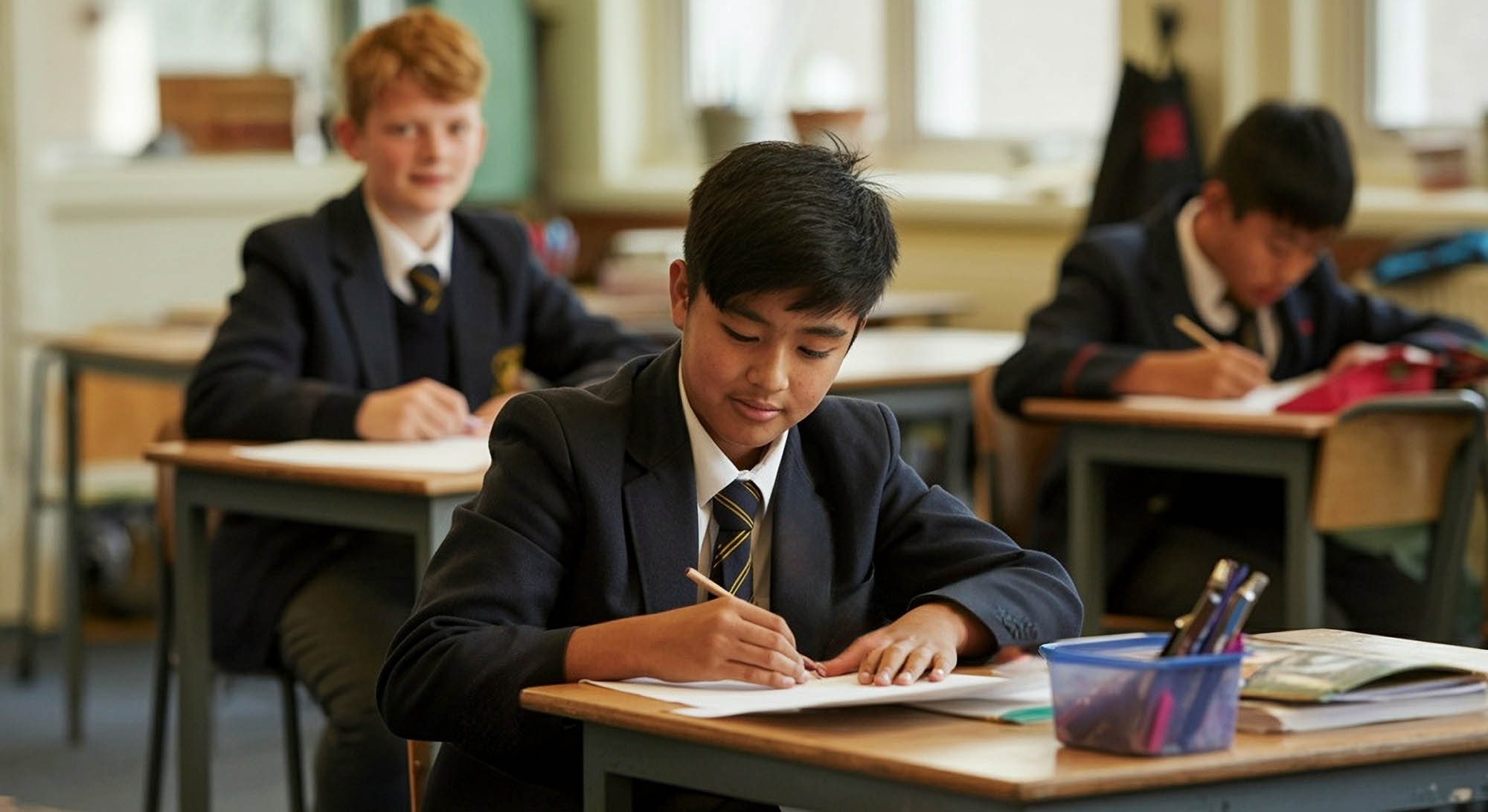
Private school can help students prepare for their future in several practical ways. Students can build strong academic skills, explore their interests and take more responsibility for their schoolwork. The school environment can also help students learn how to communicate, solve problems and make thoughtful choices. These experiences give students time to think about what they may want to study or pursue after high school.
Career readiness means building the skills and judgment students will use after graduation. These skills can help as they move into college, training programs and future workplaces. High school also gives students time to explore different possibilities. They can learn more about their strengths and interests without feeling like they need to choose one specific career path too early.
Build Academic Skills That Transfer Beyond School
Challenging coursework can help students become stronger writers, thinkers and problem-solvers. These skills are useful in college, but they also matter in many careers. Students may need to understand new information, explain their ideas and make thoughtful choices. Practicing these skills in high school gives them more chances to grow before they move into college, career training or the workplace.
AP, honors and dual-enrollment courses can introduce students to more advanced academic work. These classes may also come with higher expectations and more demanding assignments. Students may need to manage their time carefully and work through harder material. They also learn to take more responsibility for their own progress instead of depending on someone else to keep every assignment and deadline on track.
Different subjects can help students practice these skills in different ways. In history, a student may research a question. In science, they may study and compare information. In English, they may explain how they reached a conclusion. These same skills can be useful after high school. College students and employees are often expected to understand information, explain their thinking and solve problems with less direction.
Develop Independence and Work Habits
Good work habits are another important part of getting ready for life after high school. Students need to keep track of deadlines and follow through on their commitments. They also need to speak up when a problem affects their work. Building these habits during high school gives students time to practice while teachers and family members are still available to offer support when they need it.
As students take on more responsibility, they may need to decide what needs their attention first. They also learn how to plan around schoolwork and other commitments. Sometimes, they’ll need to recognize when a problem is too difficult to handle alone and ask for help. These everyday choices can teach students how to manage their responsibilities without needing someone else to guide every step.
A student might start a long-term assignment early because a competition is coming up. Another student may need to tell a teacher about a problem before an important deadline passes. Situations like these give students practice making responsible choices. Over time, those experiences can help them become more dependable and more comfortable handling school, work and other responsibilities with less supervision.
Explore Interests Before Choosing a Career Path
High school gives students time to explore different interests before choosing a college major or career direction. Course choices can help with that process. Extracurricular activities, jobs and other responsibilities can also show students what they enjoy. These experiences give them useful information about their interests and strengths before they need to make bigger choices about college, training or future career opportunities.
A student may learn that they enjoy solving technical problems or leading a group. Another may prefer working directly with people or spending more time writing and researching. Activities outside the classroom can provide even more ways to explore. Arts, athletics, leadership programs and STEM activities can help students learn what holds their interest and what kinds of challenges they enjoy taking on.
Students may also find that something they expected to enjoy isn’t a good fit. That discovery can be useful, too. Learning it during high school gives students time to consider other options before making a larger commitment. These experiences can help them make better-informed choices when comparing college majors, training programs and career opportunities after graduation.
Strengthen Critical Thinking and Collaboration Skills
Critical thinking becomes especially useful when students apply it to real problems. They may need to compare sources or explain why they support a certain position. New information may lead them to change their approach. Students might also need to decide which solution makes the most sense. Making those choices gives them practice looking closely at information and explaining the reasons behind their decisions.
Working with other people requires many of these same skills. Group projects may involve dividing responsibilities and explaining ideas to others. Students also need to listen to feedback and keep working when people disagree. These experiences can teach them when to stand behind an idea and when a compromise makes more sense. They also learn how to do their share when several people are responsible for the same project.
How Xceed Supports Career Readiness
At Xceed Preparatory Academy, personalized schedule planning helps students consider their academic goals, outside commitments and future plans. Students can keep those needs in mind when choosing courses and organizing their schedules. This approach gives them a chance to think about what they want from high school while building a schedule that fits their goals and the responsibilities they already have outside the classroom.
A flexible schedule can give students more room to balance coursework with jobs, internships, athletics and other responsibilities. Eligible students can also choose from AP, honors and dual-enrollment options. These courses provide access to more advanced academic work and may connect with subjects students already enjoy. That gives students another way to explore their interests while continuing to build useful academic skills.
College counseling can help students with course choices and planning for life after high school. Students can compare academic options and think about what they may want to pursue next. For families considering the benefits of private school, a campus visit can provide a closer look at Xceed. You can see how its schedule, coursework and overall environment may fit your student’s goals and commitments outside school.