
Families today are navigating a world that looks very different from the one many parents experienced in school. Technology shapes how we work, communicate, and solve problems, and it also plays an important part in how students learn.
At Xceed Preparatory Academy, classroom technology is used with purpose to support personalization, collaboration, and future-ready skills, while keeping learning meaningful and human. With us, technology is not treated as a shortcut or a replacement for strong instruction. Rather, it is woven into daily learning in ways that help students stay engaged, supported, and prepared for what comes next.
We believe that – when used thoughtfully – the various technology benefits in the classroom can help students grow academically while developing habits that support lifelong learning. This approach gives families reassurance that digital tools are being used intentionally, not excessively, and always with individual student growth in mind.
The Role of Technology in Today’s Classrooms
Teaching and learning in K–12 settings have changed significantly over the past decade. Traditional textbooks and paper-based lessons have been joined by tablets, laptops, and online resources that offer greater flexibility and access to information. This shift has transformed how teachers teach and how students experience learning inside the classroom.
Digital platforms, interactive software, and multimedia content now play a regular role in daily instruction. Students can explore lessons through videos, simulations, and guided research rather than relying on a single source of information. Educational technology allows learning to feel more dynamic, giving students multiple ways to connect with content and understand complex ideas.
Technology integration also supports immediate access to up-to-date resources. Instead of waiting for new textbooks or printed materials, students and teachers can explore current information, real-world examples, and interactive tools that reflect what is happening outside the classroom. This keeps lessons timely and helps students see the relevance of what they are studying.
Just as important, technology prepares students for a future where digital literacy plays a central role in academic and professional life. Navigating platforms, organizing information, and using tools responsibly are now part of everyday expectations. By working with classroom technology consistently, students gain familiarity and comfort that support long-term academic growth and career readiness.
Families interested in a deeper look at how this shift supports students may find value in our look at additional technology benefits in the classroom.
Enhancing Engagement and Motivation Through Technology
One of the most common concerns families share is keeping students motivated and interested in learning. When lessons feel repetitive or disconnected, engagement can decline. Thoughtful technology use helps make learning more interactive and inviting by giving students a more active role in the process.
Research from Cornell University in 2023 shows that students often find lessons more enjoyable when technology is part of instruction, and they are more likely to invest effort in their work. Interactive videos, virtual simulations, and game-based activities turn challenging topics into experiences that feel approachable and engaging, particularly for students who may struggle with traditional lecture-based instruction. These formats can lower frustration and help students stay present with the material longer.
Technology also encourages students to take ownership of their learning experience. Instead of passively absorbing information, students can explore concepts, test ideas, and revisit material as needed. This supports student engagement by encouraging curiosity, persistence, and self-direction. Over time, students begin to recognize how they learn best and advocate for the tools or pacing that help them succeed.
Teachers guide this process carefully. When educators use digital tools with intention, they can maintain attention while supporting deeper understanding. Interactive quizzes, collaborative projects, and visual explanations help students stay involved and clarify complex concepts. Technology also allows teachers to vary instruction throughout a lesson, helping maintain focus and energy.
Another advantage is the feedback technology provides. Teachers can quickly see how students are interacting with lessons and adjust instruction when something is not working. This responsiveness supports progress and helps students feel supported rather than discouraged when challenges arise.
Personalized Learning and Differentiation with Technology
Every student learns differently, and technology offers meaningful ways to support personalized learning. Digital platforms allow students to work at their own pace, revisit material as needed, and approach topics in ways that align with individual learning styles.
Integrating technology into instruction allows teachers to tailor lessons more effectively. Some students benefit from additional practice and reinforcement, while others are ready for enrichment or advanced challenges. Digital tools make it possible to meet these needs within the same classroom environment, helping students stay challenged without feeling overwhelmed.
Adaptive readers, leveled resources, and built-in supports help address a wide range of learner needs. For students who benefit from assistive technology, digital accommodations can support reading, writing, organization, and comprehension in ways that feel supportive and empowering. These tools help remove barriers so students can focus on understanding and applying what they learn.
Technology also allows teachers to assign remediation or enrichment through an educational app or digital platform. These educational apps provide flexibility, creating time for one-on-one support, conversations, and mentoring. Teachers can focus on individual progress while maintaining a steady classroom flow that keeps everyone moving forward together.
Families curious about how personalization increases involvement and motivation may appreciate our look at why personalized learning, which explores how tailored instruction supports student learning and engagement.
Collaboration and Global Connections Through Technology
We believe that learning is enriched when students work together and share ideas. Technology makes collaboration easier and more inclusive, offering multiple ways for students to participate and contribute, even if they are more reserved or reflective learners.
Platforms such as Google classroom allow students to co-create documents, provide peer feedback, and manage group projects in real time. These tools support teamwork, communication, and organization while helping students learn how to divide tasks, manage deadlines, and respect different perspectives.
Digital tools also open the door to global connections. Video conferencing and online forums allow students to connect with peers, guest speakers, and experts from around the world. These experiences introduce students to new perspectives and real-world applications of what they are studying, helping learning feel more meaningful.
Collaborative technology also supports digital citizenship. Students learn how to communicate respectfully, manage shared workspaces, and engage thoughtfully in online discussions. Conversations about social media use help students understand balance, responsibility, and appropriate online behavior in a guided, age-appropriate way.
Teamwork, adaptability, and communication are valuable in any future path, and technology provides authentic opportunities to practice these skills regularly.
Preparing Students for a Technology-Driven Future
The world students are preparing for continues to change quickly. Many careers now require comfort with technology, problem-solving, and adaptability. Thoughtful technology integration helps students develop skills that transfer across industries and roles, even as specific tools and job titles continue to evolve.
Through regular exposure to digital tools, students begin building habits that support long-term success, including:
Technological fluency, developed by managing information, collaborating online, and adapting to new systems as they emerge
Comfort with change, gained through working with a variety of platforms and learning how to approach unfamiliar tools thoughtfully
Problem-solving skills, strengthened by using technology to test ideas, revise work, and learn from feedback
Strong digital literacy also supports critical thinking. Students learn how to evaluate sources, interpret information, and make thoughtful decisions in environments where information is abundant and not always reliable. These skills matter in a world shaped by automation and data-driven systems, where discernment and analysis are just as important as technical ability.
When technology is taught alongside analysis and problem-solving, students are better equipped to approach challenges with curiosity and flexibility. They learn how to ask questions, think critically, and apply knowledge in practical ways. These habits support lifelong learning and allow students to continue growing as expectations, industries, and tools evolve.
Are you interested in nurturing creativity alongside technical skills? Check out our look at How to Encourage Creativity in Students. It highlights practical ways to support innovative thinking at home and at school.
Xceed Prep’s Innovative Use of Technology
Technology integration at Xceed is designed to support flexibility, personalization, and meaningful connection. Our students use laptops, tablets, and online platforms to access coursework, collaborate with peers, and manage assignments efficiently.
Our small campuses and small class sizes allow teachers to guide students closely as they work with digital tools. Each lesson plan is created with intention, balancing structure with independence so students can build responsibility and time-management skills.
Personalized scheduling allows students to combine in-person classes with online learning, virtual labs, and digital electives. This flexibility supports academic goals while leaving room for extracurricular activities, athletics, and personal interests.
Xceed Prep Virtual School plays an important role in this approach. With 24/7 online learning access, students can complete coursework on a schedule that fits their lives. Small class sizes and individualized mentoring support digital literacy, self-discipline, and independence while maintaining strong relationships with teachers.
Across all programs, classroom technology is used to support meaningful learning, not replace it. When paired with thoughtful instruction and strong relationships, it helps lessons feel clearer, more engaging, and more connected to real life. Students develop practical skills, grow more independent, and learn how to navigate new challenges with curiosity and intention.
If you’d like to learn more about how this approach works in practice, we invite you to reach out and start a conversation with our team.
Private School Myths vs. Facts: What Parents Need to Know
Families comparing educational paths often find themselves juggling opinions from friends, online comments, and long-standing assumptions. Many of these ideas sound believable, yet they rarely match the reality of how modern private institutions operate. A large part of the confusion comes from long standing misconceptions that circulate without context.
At Xceed Preparatory Academy, we help parents understand what private schools offer today by clarifying common myths, helping them look past the misinformation that often clouds the conversation. Our goal is to get to the truth behind each myth and help families replace speculation with a clearer understanding.
Myth: Private Schools Are Elitist
Some parents picture private institutions as exclusive environments. Many believe admission is based on financial standing or social influence. In reality, today’s private schools highlight character, curiosity, dedication, and long-term growth. Students who bring kindness, motivation, and a collaborative attitude contribute significantly to a vibrant learning atmosphere. These qualities shape the culture in ways families appreciate once they see classrooms in action.
Families are often surprised to learn that many schools provide programs designed to reduce cost barriers. These resources include need based financial aid, targeted support for families, and flexible planning options. They make private education accessible to communities that once believed it was out of reach. Schools also offer scholarship opportunities tied to specific strengths or contributions. When private institutions expand access, they create learning environments filled with students who share a commitment to personal and academic growth. This approach strengthens the school community and encourages broader participation.
Socioeconomic variety helps students learn empathy and respect. When children learn alongside peers with different life experiences, they build relationships that prepare them for a diverse world. Independent institutions intentionally develop admissions strategies that welcome families who contribute to the culture and values of the learning environment. This creates meaningful opportunity for students and helps families feel included in ways they may not expect.
Myth: Private Schools Do Not Offer Arts or Athletics
Another persistent idea suggests private institutions focus only on academics. Some parents assume creative and athletic programs receive minimal attention. In truth, many private environments highlight the arts because they support confidence, communication skills, and emotional expression. Music, theater, visual arts, and digital design programs often play an important part in a school’s identity and help students discover new interests.
Athletic programs also flourish in private settings. Students may participate in competitive teams, fitness activities, or specialized coaching that encourages personal growth and teamwork. Many families appreciate how these programs support healthy habits and help students develop persistence, responsibility, and collaboration skills.
Smaller learning settings make it possible for instructors to give personalized feedback. Students who might not participate in larger settings often find a welcoming space to explore interests at their own pace. Participation can lead to new passions that inspire students for years to come and contribute to a well-rounded learning experience.
Myth: Private Schools Are Just Boarding Schools
Some families picture private institutions as residential programs located far from home. While boarding environments are an option, day school models are far more common. Families who value personalized learning appreciate the ability to remain close to home while still accessing strong academic support. The modern landscape includes day schools, hybrid programs, and flexible schedules.
Day school structures give students the benefits associated with individualized instruction without requiring a major lifestyle change. Many parents find comfort in the idea that children can spend each evening at home while still learning in an environment designed for attention and flexibility.
Several private institutions also offer blended designs. Some combine daytime attendance with occasional overnight opportunities. These models serve families who want a mix of independence and home life. This variety helps parents choose arrangements that align with their routines and priorities, making private education more adaptable than families sometimes expect.
Myth: Private Schools Lack Diversity
A long-standing misconception suggests private learning environments attract only a narrow group of families. That’s from the case. So many private schools work intentionally to cultivate inclusive communities. Many institutions even build admissions strategies designed to welcome students from a wide range of cultural, ethnic, and socioeconomic backgrounds.
That’s not all. Curricula often explore global topics, cultural traditions, and contemporary social issues. These classroom experiences teach students how to communicate effectively across differences. Parents often express appreciation for learning environments where multiple perspectives are represented in both lessons and discussions.
Many private institutions also organize events that honor cultural traditions from around the world. These celebrations strengthen community awareness and highlight the importance of shared understanding.
When students learn in environments filled with diverse voices, they develop broad thinking skills that prepare them for future leadership and meaningful collaboration.
Myth: Strict Dress Codes Everywhere
Some families imagine every private environment requires identical uniforms. While uniforms may be required at some, dress expectations vary widely across schools. Certain institutions use uniforms because they promote simplicity and reduce comparison among students. Others allow comfortable clothing that gives students space to express individuality and confidence.
Dress guidelines often reflect the culture and values of the learning environment. Uniforms sometimes create a sense of unity, yet many private institutions recognize the importance of comfort and self-expression. This is why themed days, spirit wear, and relaxed attire have become more common over time.
Modern dress approaches help students feel ready to learn. Families appreciate having options that reflect both tradition and flexibility, depending on the culture of the school they choose.
Myth: Private Schools Are Too Expensive and Only for Gifted Students
Cost remains one of the most common concerns families mention and that the fact is that tuition varies significantly among institutions. However, many schools provide programs designed to reduce financial pressure for families who qualify. These resources include financial assistance programs that help families pursue private education that fits their goals.
Another assumption suggests private institutions serve only students with exceptional abilities. In truth, many private environments support a broad range of learners. Instructors often use personalized teaching strategies that help students build confidence, develop new skills, and progress at a steady pace. Support programs help students strengthen habits and gain momentum.
Smaller classes allow instructors to notice strengths, challenges, and interests. This understanding helps create learning paths shaped around individual needs. Families often choose private environments because they want a setting where students receive meaningful attention and steady support.
Programs designed to help lower financial barriers allow families from many backgrounds to participate. These opportunities help create learning environments where students feel valued and supported no matter their circumstances.
Myth: Private Schools Lack Supervision or Structure
Some parents assume private institutions provide too much independence without proper support. Many private schools use structured daily routines that balance flexibility with accountability. This approach helps students feel motivated while gaining the guidance they need.
Smaller classes allow each teacher to monitor progress closely. When challenges arise, students receive attention before issues grow. Many institutions also provide advisory groups, mentoring relationships, and frequent check ins. These supports help students stay focused and grow both socially and academically.
Families often remark that private environments feel attentive and nurturing. Students receive consistent encouragement that helps them develop responsibility and self-confidence. This structure shapes an environment where learners feel secure and capable.
Parents exploring flexible models can also compare how private institutions structure expectations alongside their local public schools. Seeing these differences helps families evaluate which environment best supports their children.
Choosing the Right Private School
Selecting an educational environment takes time and thoughtful planning. It’s best that parents take the time to tour campuses, observe daily activities, and speak directly with instructors. These experiences reveal how each school supports students academically, socially, and emotionally. Families often gain clarity once they see how a school handles daily routines and how instructors interact with students.
Families should consider location, learning philosophy, class size, extracurricular opportunities, and overall culture. Those exploring flexible models can begin by reviewing our resources “Is Private School Worth It” and “Why Flexibility in Education Matters” to gain a deeper understanding of different approaches.
Parents can ask about long term outcomes, preparation for college, support services, and expectations for families. They can also explore how institutions manage public funds and how different financial models influence available resources. Looking at daily routines, instructional methods, and community dynamics can shed light on the learning experience and reveal how a school helps students pursue strong academic achievement.
Finding the right environment involves more than looking at academic programs. It also involves identifying a place where children feel encouraged, respected, and motivated to grow. When families explore options with openness and curiosity, they often discover an environment that helps their children thrive within a strong and supportive community.
Your Path Forward Begins with Xceed
If your family is exploring new educational possibilities and wants a more personalized path, Xceed Preparatory Academy is ready to help. Our team welcomes conversations with parents who want to learn more about flexible schedules, close support, and an environment designed for growth.
Reach out today to speak with our staff or schedule a visit at one of our Florida private school locations.
Preparing students for college has never been a one-size-fits-all journey, and in Florida, the meaning of college prep is changing quickly. Families are balancing academics with athletics, arts, work schedules, travel, and individualized goals.
At Xceed, we see this every day. Students want strong academics, but they also want schedules that match their lives and support systems that honor their strengths.
Traditionally, college prep meant high test scores, long homework nights, and stacking advanced placement courses. Today, readiness looks different. Students need rigor along with independence, strong executive functioning skills, and the confidence to manage schedules that resemble the pace of college. Florida families are embracing flexible models that let students thrive academically while pursuing opportunities outside the classroom.
Flexibility is no longer optional. It has become the new college preparatory standard, and at Xceed, we are redefining what that means.
Why College Prep Looks Different in Florida Today
For many years, college prep focused on maximizing test scores and piling on AP courses. Florida families now see that genuine preparation involves far more than test prep and long hours of studying.
Students need readiness for independence. They must learn time management, organize their days, communicate with instructors, and adapt when plans shift. These are skills they will rely on from the first day they step onto a university campus.
Florida families are turning to flexible models because the state offers countless opportunities outside of academics. Student athletes train and travel. Performing artists rehearse across multiple venues. Dual enrollment continues to grow. Many families also relocate within Florida or travel for specialized programs. Traditional schedules often make this difficult.
Our personalized schedule planning blends rigor with adaptability. Students receive strong academic preparation along with the flexibility they need to thrive in Florida’s dynamic environment.
Defining True College Prep in 2026
Today’s version of college preparatory learning extends far beyond academics. Students need executive functioning, balance, wellness, and the ability to navigate unstructured environments. These skills grow through supported independence.
True college prep includes time management, self-direction, and the resilience to solve challenges without constant guidance. Colleges increasingly look for initiative, not just transcripts. They want students who pursue interests deeply, manage responsibilities independently, and adapt to change.
Executive functioning plays a major role as well. Skills such as planning, working memory, and organization support success in every college class. Research from the Institute of Education Sciences highlights how these abilities predict long-term achievement.
We integrate executive functioning coaching and personalized schedule planning into each student’s experience. We help students build habits and strategies they will rely on throughout college.
The Problem with Traditional College-Prep Programs
Many conventional college preparatory school models still focus on test performance and stacking AP courses without considering wellness or individual needs. Excessive course loads may raise transcripts, but they can also create stress and burnout.
Rigid schedules create additional challenges. Students involved in athletics or the arts often struggle to keep up. Students with learning differences may feel overwhelmed by fast-paced instruction that lacks flexibility. Those who travel frequently or balance part-time work find it difficult to remain aligned with traditional high school routines.
Florida families need learning environments that adapt to their lives. Flexible structures like ours support deeper learning, reduce pressure, and help students build independence without sacrificing rigor. To compare options, we often recommend our look at public school vs. private school for college as a helpful resource.
Flexibility as the New Standard for College Readiness
Flexibility builds stronger college-ready students because it teaches decision-making, ownership, and balance. These are essential skills for college.
A flexible model mirrors the structure of higher education. College classes do not run on fixed, all-day schedules. Students balance classes with work or athletics and must coordinate study time independently. Florida students who juggle sports, arts, employment, travel, or dual enrollment thrive when academic planning respects those commitments.
At Xceed, we see how autonomy paired with consistent student support strengthens confidence and self-management.
How Personalized Schedule Planning Shapes College-Ready Students
Xceed’s personalized schedule planning gives students independence while keeping strong support in place. Each schedule is built through collaboration among the student, parent, and counselor. Interests, goals, academic strengths, extracurricular commitments, and college pathways all shape the plan.
Schedules evolve as students grow. If a student leans toward engineering, we adjust rigor and coursework. If an athlete travels more, we shift pacing without sacrificing progress. If deeper support is needed, we adapt the schedule to include additional instructor time.
This balanced approach prevents burnout and disengagement. Families seeking a self-paced environment can explore our self-paced private school model, which gives students control over their learning with expert guidance.
Preparing Students for College Success Through Experience
College readiness grows through real, hands-on practice.
That’s why our campuses are designed to feel like modern workspaces or college environments. Students learn in tech-forward, collaborative spaces that encourage responsibility and time management. This approach shapes a version of student life that mirrors what they will experience on a university campus, helping them build confidence long before graduation.
Students can also gain experience with college-level expectations through advanced placement classes, dual enrollment pathways, and flexible schedules that build independence. Many even begin earning college credit during high school, which gives them an early advantage once they transition to university life. Our practice test opportunities can also help students strengthen their scores and confidence during the college admission process.
Want to learn more? Check out our blog, “Are Grades Important” and see how our approach reinforces academic planning.
What Florida Parents Should Look for in a College-Prep School
Parents should evaluate how well a school supports their kid’s specific needs. Key questions may include:
- How flexible is the schedule
- How does the school support athletes, artists, travelers, or dual-enrollment students
- What executive-functioning support is provided
- How does the school assist students with learning differences
- What access is available to one-on-one college counseling and long-term planning
- How does the environment prepare students for the structure of college
Families should also look at the school’s academic pathways. A strong college prep school should also show clear pathways for NCAA eligibility, AP options, dual enrollment, and personalized college guidance.
How Xceed Prep Redefines College Prep for the Modern Student
At Xceed, real college preparation blends academic rigor with meaningful adaptability. Our small, tech-forward campuses mirror the feel of modern university environments, and our flexible scheduling gives students room to pursue diverse lifestyles and commitments. This combination has proven powerful, as many of our alumni have earned acceptance to competitive universities and entered college feeling confident, prepared, and independent.
We pair challenging academics with one-on-one college counseling, strong student support, and personalized planning. This approach allows students to stretch themselves while still maintaining balance, which is essential for long-term success.
For today’s Florida families, flexibility is more than a convenience. It has become one of the most effective paths to college success. We are proud to guide students as they grow into capable, college-ready learners equipped for everything ahead.
Contact us to learn more about what we can offer your family!
Finding the best private schools for working parents can feel like you’re solving a puzzle with missing pieces. You want academic excellence, a community that cares and a schedule that won’t leave you sprinting out of meetings to beat the dismissal bell. For many families, the gap between school hours and work hours adds strain to already packed days. When you’re juggling deadlines, carpools and the emotional load of parenting, a school that understands the realities of modern family life can make all the difference.
This guide explains what matters most for dual-income households, why flexible education models are gaining traction and how options like Xceed Preparatory Academy offer meaningful support for students in grades 6-12 and working parents.
Why Working Parents Need School Flexibility
If you’ve ever sat in traffic with one eye on the clock and one hand on the steering wheel, you know the pressure that standard school hours place on working families. A typical workday doesn’t end at 2:45 p.m., yet many schools do. That mismatch creates a daily scramble that leaves parents stressed and students waiting.
According to the U.S. Bureau of Labor Statistics, 74% of mothers with children under 18 participate in the workforce, which explains why the childcare gap hits so many families. When both parents work full time, the need for wraparound childcare becomes more than a convenience. It’s a lifeline that keeps a household running.
The Realities of Dual-Income Life
Most dual-income households rely on careful choreography. Maybe you shift meetings earlier, or your partner rushes through the grocery store at 7 p.m. because the day left no wiggle room. When school ends hours before the workday, parents often piece together childcare relying on grandparents, neighbors or paid sitters. It’s careful balancing act that can add to the daily stress.
This is especially true for middle school and private high school students, who may be old enough to stay home for short stretches but still need meaningful academic structure and emotional support. The hours after the final bell are just as important as the time spent in class.
Why Wraparound Care Matters
Before- and after-school programs give parents breathing room while giving students continuity. That’s important. Kids flourish when transitions feel smooth. A great extended care program doesn’t feel like a holding area; it supports a student’s social life, homework habits and overall confidence. When that care connects seamlessly with the regular school day, families experience less chaos and more consistency.
For working parents, choosing a school becomes more than evaluating test scores or tuition. It’s about finding a place that respects your time, understands your reality and offers a dependable structure for your child.
Key Features of Schools that Support Working Parents
As you compare options, pay attention to how each school supports the rhythm of your household. The best private schools for working parents aren’t just academically strong. They make day-to-day life more manageable.
Before and After School Care That Actually Helps
High-quality programs do more than keep students busy. They offer homework support from a teacher or mentor who knows the student well. That small piece alone can transform evenings at home. Instead of battling worksheets at 8 p.m., families can actually connect.
These programs can also nurture social development. Middle school students, especially, need safe spaces to build friendships without the pressure of a large campus. Enrichment activities like fitness time, arts workshops or small group projects help them interact organically, without feeling overscheduled.
Flexible Pick-Up and Emergency Options
Parents know that unpredictable things happen. A meeting runs late. A doctor appointment shifts. Traffic stalls at the worst possible time. A school that understands these realities offers flexible pick-up windows and emergency care that prevents chaotic scrambles. When a school supports working families, it removes guilt from the equation. You’re not just a parent. You’re a professional trying to keep all parts of life in balance.
Seamless Integration with the School Day
The best programs feel like natural extensions of the classroom. Homework support, enrichment and social activities should connect with what students learn during regular hours. Continuity creates stability, and students thrive when their day feels connected instead of fractured. For families, this means fewer disruptions and a school day that mirrors the flow of real life.
Academic and Social Benefits of Extended Care
Extended care isn’t only a convenience for parents. It plays a major role in a student’s academic and social development. When done well, these programs reinforce rigorous academics while giving students opportunities to grow beyond what the school day allows.
A Boost in Academic Performance
Research from organizations like the Afterschool Alliance has found that students in well-designed afterschool programs see stronger academic progress, higher attendance and more positive attitudes toward learning. When a student has time to complete homework in a supervised, supportive environment, they build habits that carry into high school and beyond.
For families, this shift matters. Evenings become calmer. Students feel more confident. The entire household benefits from the rhythm of consistent academic support.
Enrichment That Broadens Skills
Extended care opens the door to enrichment opportunities schools can’t always fit into the regular schedule. Depending on the program, students may get extra exposure to STEM challenges, visual arts, music, coding, robotics or hands-on projects that spark curiosity. Activities like these nurture interests that can grow into future academic or career paths.
When students discover they’re good at something new, you often see a spark. Confidence builds. Motivation rises. They begin to see themselves as capable people with meaningful talents.
Social-Emotional Growth and Life Skills
The hours before and after school offer a unique environment for social-emotional development. Students interact outside the structure of traditional classes, which helps them form friendships, practice leadership and develop independence.
Small group activities also encourage teamwork, communication and responsibility. These are life skills that matter just as much as any test score. Students who feel grounded socially tend to perform better academically and handle stress more effectively.
How Xceed’s Flexible Model Supports Working Families
If you’re raising a middle or high schooler and trying to keep up with modern work demands, you’ve probably wished more than once that school schedules felt less rigid. Private schools, like Xceed Preparatory Acdemy, offer the flexibility that matches your schedule and supports students with paced learning that fits your life. With campuses across South Florida, including Palm Beach Gardens, Boca Raton, Coral Springs, Fort Lauderdale and Kendall/Pinecrest, it gives working parents room to breathe while making sure students stay on track academically.
A Schedule That Fits Real Life
So, why choose private school? Xceed allows students to create custom on-campus blocks of roughly 4 to 5 hours per day. That window gives families the freedom to plan around athletic training, performing arts rehearsals, medical appointments or internships without the stress of missing large chunks of class time. Students can start later in the morning or finish earlier in the day, depending on what works best for their household. For working parents, this difference alone can feel like a weight lifted.
Because the structure is designed for self-paced learning, a student can accelerate through subjects when ready or slow down if they need extra support. Teacher guidance is always available on campus, so even though the day feels flexible, students aren’t left on their own. The academic rigor is still in place, supported by staff who know each student well.
Personalized Schedule Planning, Not One-Size-Fits-All
The personalized schedule planning process is one of Xceed’s strongest features. It starts with a conversation between the head of school and the family. Instead of prescribing a standard path, the school wants to understand the student’s interests, extracurricular commitments and long-term goals. If a student is a competitive swimmer, the schedule can shift to allow training hours. If a student is passionate about baking or robotics, teachers may suggest clubs or leadership opportunities that bring those interests to life.
The college counselor reviews each student’s courses and makes recommendations that match the student’s future aspirations. For some, that may be early graduation. For others, it’s dual enrollment, Advanced Placement or an honors track. The schedule evolves as needed throughout the school year, while the work itself maintains academic excellence and a clear sense of accountability.
A Small Campus That Strengthens Community
Many families assume flexible private schools lack structure, but Xceed’s small-campus environment creates the opposite effect. Students receive more attention from teachers, more opportunities for one-on-one guidance and a stronger connection to their school community. The space feels modern and calm, like a mix between a high-tech workspace and a coffee shop, but without emphasizing high-end technology as the defining feature. It’s a comfortable environment where students feel seen and supported.
This atmosphere benefits working parents too. When a child feels secure and engaged, the whole household feels the difference.
Balancing Social Life and Flexibility
Parents often worry that flexible scheduling means fewer social opportunities. It’s a reasonable fear, especially if you’re coming from a traditional model where socializing happens in large groups between bells. But flexibility doesn’t mean isolation.
A Community Built on Connection
Xceed’s small campuses actually make it easier for students to bond. With fewer students per location, friendships form quickly. Teachers know everyone by name, and students interact across grade levels in ways that feel natural. Clubs and activities are driven by student interests, which sparks creativity and ownership. Robotics, arts, volunteering, athletic conditioning and special-interest groups allow students to explore passions while making friends who share similar interests.
Activities That Fit Busy Schedules
Because students’ daily schedules vary, the school designs activities and clubs that work for student-athletes, performers and others who juggle intense commitments. If a student trains in the afternoon, they can join a morning club. If another prefers late starts, they can participate in early afternoon activities. This flexibility keeps students involved without overwhelming them.
Extended care programs can also fold in enrichment and social opportunities for families that need earlier drop-off or later pick-up. These touchpoints help students feel rooted in their school community while giving parents dependable coverage.
Leadership, Teamwork and Student Autonomy
A flexible model also opens doors for leadership. When students are encouraged to create and lead clubs, plan workshops or mentor younger peers, they learn to manage time, communicate and collaborate. These experiences strengthen life skills that matter long after graduation and are often a key consideration when families are thinking through the full benefits of public vs. private schools for college as they plan ahead.
Students at Xceed often describe gaining independence and confidence because the school trusts them to take ownership of their learning. That confidence tends to spill into every part of their lives, including friendships and extracurriculars.
Evaluating Schools to Fit Your Work Schedule
Choosing a private school is a big decision, especially when you’re trying to balance work demands with your child’s academic needs. Touring campuses and asking the right questions can help you decide whether a school will support your family’s rhythm or make life more complicated.
What To Ask on a School Tour
Start by asking detailed questions about before and after school options. Find out whether staff provide homework support, what activities students can access and how the school handles late pick-up situations. If you rely on those gaps being covered, you want clear, trustworthy answers.
You should also ask how the school builds personalized schedules. Does the head of school walk families through planning? Will the school adjust rigor if your student needs more challenge or extra guidance? Do teachers offer consistent mentorship throughout the year and stay in regular communication with families?
If you’re looking at a flexible private school like Xceed, it helps to ask how the school balances independence with accountability. Xceed uses one-on-one advising, mastery-based assessments and routine check-ins to keep students on track, so use that as a benchmark for what strong structure should look like in any self-paced environment. You want an approach that feels organized, supportive and aligned with your child’s needs.
Safety, Transportation and Supervision
Reliable supervision is nonnegotiable. During your tour, pay close attention to how students move through the building, where staff are positioned and how secure the space feels. Xceed, for example, keeps its campuses intentionally small so staff can maintain clear visibility, consistent check-ins and a supportive learning environment. Ask what transportation options are available and whether the school can help connect families who want to carpool. Working parents especially need predictability around pick-up and drop-off.
Understanding Tuition and Financial Support
Private school tuition is a major factor for most families. Don’t hesitate to ask about scholarships, state programs and tuition assistance. Programs like Step Up can make private school more accessible, and schools like Xceed encourage families to ask early so they can plan ahead. Understanding financial options upfront helps families make confident, informed decisions.
Getting Started with a Flexible Private School
Exploring private school options can feel overwhelming, especially if you’re trying to navigate long work hours, extracurricular schedules and the daily demands of parenting. The good news: you don’t have to figure this out alone.
Take the First Step
Start by scheduling campus tours at the locations closest to you. Xceed typically enrolls families within about 15 miles of each campus, so visiting the school in person gives you a clearer picture of the environment your student will experience. Meeting teachers, speaking with administrators and seeing students in action can give you a strong sense of whether the school matches your child’s learning style.
Tap Into Advisory Support
Talk with school advisors, the head of school and the college counselor. Their insight can help you understand schedule options, academic expectations and opportunities available for your child. Their job is to help families feel grounded and informed, especially if the traditional model hasn’t been the right fit.
Explore Resources and Parent Networks
If you’re trying to balance tuition, childcare and the constant shuffle of work commitments, you don’t have to navigate it alone. Tools like education savings accounts and employer benefits programs can ease the pressure. Connecting with other working parents — whether through the school community or your own network—can also give you honest, practical guidance as you weigh your options.
Testimonials from current families can offer an added layer of comfort. Hearing how students settle into a personalized schedule or how parents reclaim some balance often brings the decision into sharper focus.
Choosing the best private schools for working parents is more than selecting a campus—it’s choosing the environment that will shape your child’s confidence, independence and academic future. Schools like Xceed show how a flexible schedule, one-on-one support and a focused setting can give working parents room to breathe while giving students the structure they need to thrive. When a school aligns with your child’s goals and the rhythm of your family life, it becomes something steadier than a solution. It becomes a foundation you can trust, and that steadiness is what truly sets students up for success in college and beyond.
Defining Flexible Private Schooling
At Xceed Preparatory Academy, we believe learning should fit each student’s goals, interests, and lifestyle. Families today are looking for education that feels more personal, balanced, and connected to real life. Flexible private schooling is designed to make that possible.
So, what is flexible private schooling? Essentially, it is an educational model that combines the structure of a traditional curriculum with the independence of modern learning. This approach gives students the freedom to progress at their own pace while receiving instruction from certified teachers who are dedicated to their growth.
With us, students can design an academic plan that aligns with their individual needs and daily routines. Our students can choose when they come in to complete coursework, meet with teachers, or collaborate with peers. Some students prefer a morning schedule, while others balance their academics with athletics, travel, or other commitments. This flexibility allows each learner to stay on track while developing valuable skills in self-discipline and time management.
Unlike traditional private school environments that operate on fixed schedules, flexible private schooling allows students to move at a pace that works for them while still earning an accredited diploma. Our approach blends the personal accountability of in-person interaction with the freedom of remote learning options.
Xceed parents can trust that their children are receiving a high-quality education supported by experienced educators and a curriculum designed to prepare them for college and beyond.
Key Benefits of Flexible Private Schools
Flexibility is not just about scheduling. It is about creating space for students to grow, explore, and succeed. That’s why our model allows families to design a learning experience that fits their lives without compromising quality or academic standards.
Shorter on-campus days provide students with the time to engage in extracurricular activities, participate in sports, work part-time jobs, or spend more time with family. Every student’s day looks a little different, but each one is supported by a structure that encourages independence while maintaining academic rigor.
Our small campuses make it easy for teachers and staff to build meaningful connections with students. These close relationships allow us to understand each learner’s strengths and challenges. Certified teachers provide individualized instruction and ongoing feedback, making it easier for students to grasp complex concepts and stay motivated. We also offer ESE and SPED support so that students with different learning needs can succeed through personalized plans that foster confidence and self-esteem.
Our model also promotes emotional well-being. When students can manage their time and study during their most productive hours, they typically feel less pressure and experience less burnout. Flexible scheduling allows for a healthier balance between school, family, and personal pursuits, which in turn strengthens motivation and focus.
For many families, this is what transforms education from a daily obligation into an engaging experience that inspires lifelong learning.
Flexible vs. Traditional vs. Homeschooling
Every family has its own priorities and preferences when it comes to education. Some thrive in structured environments, while others seek more independence. Flexible private schooling brings together the best aspects of both approaches, offering a balanced alternative to traditional and home-based education.
Traditional schools follow a set schedule that all students must adhere to day after day. Classes are typically longer, and progress is measured by a standardized pace. This can be difficult for students who need more time in certain subjects or who are juggling busy extracurricular commitments. Xceed students have the freedom to learn at their own speed while receiving consistent support from teachers and academic advisors.
Families who have tried homeschooling often appreciate the freedom it provides but may miss the structure, certified instruction, and peer interaction that schools offer. Our educational model provides an ideal middle ground. Students work within a flexible schedule while benefiting from a professional teaching team, accredited curriculum, and a supportive community of peers.
Our article on private school vs. home school explores this comparison in greater detail.
Who Thrives in Flexible Private Schools?
Flexible private schooling is designed for students with diverse goals, talents, and lifestyles and we see a wide range of learners thrive in this model.
For instance, athletes and performers benefit from being able to balance demanding training or rehearsal schedules with their academic progress. Students can complete coursework before or after practice or access online learning while traveling to competitions or events. Families who travel frequently for work also find this approach invaluable as their kids can continue their studies uninterrupted, maintaining consistent progress from anywhere in the world.
Students with learning differences also find success within our flexible structure. Individualized pacing and tailored instruction allow them to focus on mastering material without the stress of keeping up with a fixed classroom timeline. Certified teachers and support staff work closely with each learner to identify strategies that build understanding and confidence.
Independent and self-driven students often thrive here as well. Many are motivated by the freedom to advance in subjects that interest them or to take on additional projects, internships, or early college courses. Last but not least, this model also works well for young entrepreneurs or students who want to dedicate time to a passion or creative pursuit while continuing to earn a high-quality education.
Socialization and Extracurricular Life
Flexibility does not mean isolation. At Xceed, community and connection are essential parts of our school culture. Students have many ways to build friendships, develop leadership skills, and explore shared interests.
Each campus has a warm, inclusive atmosphere that encourages students to collaborate and support one another. Clubs and activities are often student-led, giving them a sense of ownership and creativity in how they engage with their peers. Popular options include robotics, coding, performing arts, and volunteer projects that promote teamwork and problem-solving.
Cross-campus events, field trips, and service opportunities can also help students connect across locations and develop a strong sense of belonging. Our teachers and staff play an active role in encouraging participation, and because our campuses are intentionally small, every student is known by name and valued as part of our community.
Our students have time to participate in community-based extracurricular activities outside of school as well. They might join travel sports teams, pursue professional music or acting, or contribute to local nonprofits. This flexibility creates a healthy balance between academic success and personal growth, preparing students to manage their time effectively as they move on to college and adult life.
Academic and College Preparation Support
We take pride in offering a flexible model that never sacrifices academic quality. Our students work toward accredited diplomas, earning official transcripts recognized by colleges and universities nationwide. This structure helps them stay competitive for scholarships, honors programs, and selective institutions.
Each course is designed to challenge students intellectually while maintaining the adaptability that makes flexible private schooling so effective. Teachers monitor progress closely and provide feedback to keep students engaged and accountable. Our learning environment combines independence with one-on-one guidance, helping each student reach their full potential.
Our advanced programs include honors and dual-enrollment courses for students who want to challenge themselves academically. This shows how freedom and structure work together to strengthen academic performance and long-term motivation.
In addition to regular academic support, we provide personalized college and career counseling. Every student meets individually with a counselor to discuss goals, identify college options, and receive help with applications and essays. We also guide students through scholarship opportunities, standardized testing, and skill development that prepare them for success in higher education.
To see how this approach enhances readiness for the future, check out our take on why flexibility in education matters.
Affordability and Accessibility
We understand that cost is an important factor when families explore private education. We are committed to keeping our programs accessible to a wide range of students. Our admissions team helps families explore available resources while providing clear information about tuition and payment plans. From financial assistance and education savings accounts to state scholarship programs such as Step Up and McKay, we can direct parents to resources designed to make flexible private schooling affordable for families across Florida.
We also offer additional support for international families, including I-20 eligibility and visa assistance. This allows students from around the world to experience a flexible and personalized education while earning an accredited American diploma. Our global student community adds diversity and perspective, enriching the learning experience for everyone on campus.
We believe that every child should have access to a supportive, high-quality educational experience, and we work closely with families to make that possible. Of course, affordability is about value, not just cost. Our small class sizes, individualized attention, and flexible scheduling give students an education that fits their goals and builds skills that last well into adulthood.
Evaluating and Choosing a Flexible Private School
Choosing the right school is one of the most important decisions families make.
When considering flexible private schooling, we encourage parents to evaluate a few key factors that define a quality experience. Accreditation is essential because it confirms that a school meets recognized academic standards. It is also helpful to review teacher credentials, curriculum structure, and available support services.
Visiting a campus is the best way to get a true feel for the environment. Meeting teachers, observing classes, and talking with current students can provide valuable insight into the community and culture. We also recommend speaking with admissions to discuss specific goals and ask questions surrounding scheduling or credit transfer.
For families transitioning from a public school, online school, or homeschooling environment, our staff is happy to assist with records and placement to make the process smooth and stress-free. Our goal is to help every student feel comfortable and confident from day one.
Next Steps and Resources for Flexible Schooling
For families interested in exploring flexible private schooling, the best first step is to reach out to our admissions team. We welcome families to schedule a personal tour to learn more about our campuses and programs.
Reading testimonials, exploring our answers to FAQs, and reviewing online education resources can also be helpful in making an informed decision. Many families choose to start with a trial day or short-term enrollment to experience firsthand how our model supports academic success and personal growth.
At Xceed, we are proud to provide an educational experience built on flexibility, community, and opportunity. We invite you to learn more about how our flexible education for traveling families can open doors for your student.
Reach out today to begin the conversation and see what our flexible private schooling can do for your family.

Researching Private School Options
Learning how to enroll in a private school in Florida starts with understanding the many educational choices across the state. Families can explore secular, faith-based, and independent institutions, each offering distinct approaches to academics, culture, and community. College-prep programs often feature Advanced Placement, dual-enrollment, and NCAA-approved courses, while parochial schools may blend academics with faith traditions.
Accreditation is key when comparing schools. Cognia accreditation indicates that a school meets rigorous standards for quality and accountability. Families should also look for a strong curriculum, diverse electives, and dedicated college counseling.
At Xceed, we combine Cognia accreditation with personalized instruction, helping each student reach their potential through flexible scheduling and focused academic support.
Campus culture is equally important. Smaller class sizes allow teachers to give individualized attention, while technology-rich learning spaces foster creativity and engagement. Our modern campuses are designed for flexibility, offering support for athletes, artists, and students with unique abilities balancing academics with personal goals.
Families should also explore how extracurricular programs integrate into the academic day, creating a more balanced and fulfilling experience.
Visiting and Engaging with Schools
Once you’ve narrowed down your list, scheduling a visit helps families experience each school’s environment firsthand. Touring allows you to observe teaching styles, student interactions, and campus life in real time. During a visit, take note of how comfortable and engaged students seem – the right atmosphere often feels collaborative and inspiring.
Prepare questions before your visit. Ask about class sizes, academic support, technology integration, and how flexible scheduling works. Inquire about safety policies, mental health resources, and how the school encourages leadership or creative growth.
On our campus, families often comment on the open layout and welcoming feel that mirrors modern professional spaces, promoting self-paced learning and collaboration. After touring, reach out to admissions counselors for clarification about application timelines, scholarship options, or personalized scheduling.
For more details, visit our Admissions Process for a Top Private School in South Florida.
Application Requirements & Deadlines
Applications vary between schools, but most require forms, transcripts, recommendation letters, essays, and sometimes test scores. Some may also request interviews to learn more about a student’s goals and learning style.
Many institutions operate with rolling admissions, allowing families to apply year-round until seats are filled, while others follow fixed deadlines. Starting early gives families time to complete paperwork, plan tuition, and prepare for interviews or testing.
At our academy, we focus on understanding each student’s aspirations rather than emphasizing standardized scores. We look for motivation, curiosity, and readiness to thrive in a personalized learning environment – qualities that reflect our belief in individualized education.
Health & Immunization Compliance
To attend any school in Florida, students must comply with health and immunization laws. The Florida Department of Health requires the Florida Certification of Immunization (DH 680), documenting vaccines such as diphtheria, tetanus, pertussis, polio, measles, mumps, rubella, hepatitis B, and varicella.
A current school-entry health examination – completed within one year of enrollment – is also required. Families claiming medical or religious exemptions can submit alternative documentation.
Our admissions team assists families with tracking and submitting health forms while accommodating travel or international timelines. This helps simplify compliance and keeps enrollment moving smoothly.
Financial Planning & Scholarships
Understanding tuition and financial assistance is an important part of preparing for private education. Tuition for Florida private schools averages around $14,000 to $15,000 per year for high school programs, with costs varying based on class size, curriculum, and campus facilities.
Families may qualify for programs like Step Up for Students, which provides financial aid or vouchers for eligible learners. Many schools also offer merit-based scholarships tied to academic performance, with higher GPA thresholds leading to larger awards.
We work closely with families to create financial plans that fit their circumstances. From payment options to guiding families through state-funded scholarships, our goal is to make private education both attainable and rewarding.
Acceptance & Enrollment
Receiving an acceptance offer marks the beginning of an exciting new chapter.
After admission, families typically sign enrollment contracts, pay a deposit, and submit final transcripts and health documents. Onboarding sessions may also be provided to help introduce new students to their schedule, classmates, and campus resources.
We recommend families confirm transportation, supplies, food options, and technology needs early. You can get started by speaking with our admissions team about extracurricular or athletic commitments. Doing so allows us to tailor each schedule around personal goals.
Transferring records from a previous school and setting up accounts for digital tools are often the final steps before the first day. By preparing these details in advance, families create a stress-free transition into the new school year.
Choosing Xceed Prep
As families explore their options, many choose our program for its innovation and flexibility. We offer a personalized college-prep experience that combines AP, honors, and dual-enrollment opportunities with one-on-one guidance and individualized pacing. Cognia accreditation reflects our commitment to quality, while our modern campuses provide safe, collaborative spaces for creativity and growth.
Our personalized schedule planning allows students to balance academics with travel, sports, or artistic pursuits. Each family works directly with faculty and counselors to create a plan that reflects their child’s strengths and goals. Executive functioning coaching, ESE/SPED support, and ongoing college counseling from ninth grade onward are part of our integrated support system as well.
Over the years, graduates from our programs have continued their success at competitive universities, guided by the skills and confidence developed here. We take pride in preparing students not just for college, but for life – helping them build independence, leadership, and a lifelong love of learning.
For families seeking a forward-thinking education that values connection, growth, and balance, Xceed offers a welcoming place to begin.

If you are part of a military family, you already know that your child’s education rarely follows a straight line. Every move brings new opportunities, but it also introduces real challenges that can affect your child’s confidence and academic progress.
On average, military families relocate every two to three years. That means your child may attend six to nine different schools between kindergarten and high school graduation. The USO confirms this is more than three times the national average for school changes. Each transition can create gaps in learning, especially when states follow different standards or pacing. A concept introduced in one school might not be covered the same way in the next. Over time, those small gaps can add up.
Beyond academics, frequent moves also affect social development. Your child has to build new friendships again and again. They walk into unfamiliar classrooms, adjust to new expectations, and learn to navigate entirely different school cultures. For many military children, this constant reset can feel exhausting, even when they are resilient.
It also becomes harder to maintain continuity in activities. Your child might start a sport or club, only to leave before the season ends. This can impact their confidence and even their long-term goals, especially as they approach middle school and high school, when extracurriculars begin to matter more. This is where flexibility becomes essential.
Xceed Preparatory Academy offers stability within change. Instead of forcing your child into a rigid system, the school adapts to your family’s timeline. Personalized schedule planning allows your child to stay on track academically, even as life shifts around them. It creates a consistent foundation that travels with your military family, rather than starting over each time.
Every School Option Available to Your Military Family — and How They Compare
When it comes to school choice, you have more options than you might think. The challenge is not access, but understanding which path fits your family best. Let’s run through the different options:
Picking the right school can get even more complicated when you factor in deployment frequency, CONUS vs. overseas assignment, the presence of special learning needs (IEP/504 plans), and the student’s extracurricular priorities.
Xceed Prep offers a different path. It combines the flexibility of an online school with the structure of a private school. Your child can attend in person, learn virtually, or blend both. With our Cognia-accredited courses, as well as college-prep through AP classes, honors, dual enrollment, and NCAA-approved courses, we create a consistent experience that supports your family, no matter where you are assigned.
How the Interstate Compact Protects Your Student During School Transitions
One of the most important tools available to military families is the Interstate Compact on Educational Opportunity for Military Children. While many parents have heard of it, not everyone understands how powerful it can be.
Even with these protections, navigating the system can still feel overwhelming. Schools may interpret guidelines differently, and you may need to advocate for your child.
This is where a flexible, supportive school becomes essential. Xceed Prep works closely with military families to ensure smooth transitions. With rolling admissions and personalized schedule planning, your child can enroll mid-year without losing progress. The focus stays on continuity, not disruption.
Financial Resources and Scholarships That Make Private School Possible for Military Families
If you are exploring a private school for your child, cost is often the biggest question. The good news is that many military families have access to financial support that can make this option more realistic than it first appears.
Military families can access a range of financial resources for private education, including state-funded Education Savings Accounts (ESAs), Florida’s Family Empowerment Scholarship (which absorbed the former McKay Scholarship in 2022), need-based financial aid from individual schools, and military-specific tuition discounts. Florida also maintains dedicated school choice resources for military families. Private school choice programs mean you may have more flexibility than you think.
At Xceed Prep, families are guided through this process step by step. The admissions team helps identify available scholarships, explains eligibility, and offers flexible payment plans. Instead of navigating everything alone, your family has support in building a financial plan that works. When it comes to private school tuition in South Florida, you have options.
How Deployment Affects Your Student — and What the Right School Does About It
Deployment can be one of the most difficult experiences for your military family, and your child often feels that impact deeply. Research confirms that parental deployment places children at elevated risk. A systematic review by researchers at Brown University found that deployment of a parent may be related to increased emotional and behavioral difficulties across all age groups, while a separate study at UCLA identified higher risk for anger, anxiety, depression, decline in school performance, and social isolation in school-age children during deployment.
The right school understands these challenges and responds with care. Flexible schedules, supportive teachers, and strong communication can help your child stay on track while navigating a difficult period.
At Xceed Prep, small class sizes allow teachers to notice changes early. Your family stays connected with the school, and adjustments can be made when needed. This level of support helps your child feel stable, even during times of change.
IEP and 504 Plan Transfers During PCS Moves — What Your Family Needs to Know
For military families with a child who has an IEP or 504 Plan, moving can feel especially stressful. Each state handles services differently, and delays in support are common. Transferring IEP and 504 plans between states is one of the most stressful aspects of military relocation for families with special needs children. Blue Star Families reports that 51% of active-duty families had trouble moving their child’s IEP and 48% had trouble with 504 plans, while MOAA found that delays for military-connected students with existing IEPs average 5.75 months following a Permanent Change of Station or PCS move.
The Interstate Compact helps by requiring schools to provide comparable services while new evaluations are completed. Still, transitions can take time, and your child may not receive the same level of support right away.
At Xceed Prep, support is built around your child from the start. ESE and SPED services are designed to continue without interruption, helping your child stay confident and engaged during transitions.
Why Flexible, Accredited Private Schools Are Built for Military Family Life
Flexibility is essential for military families, and not all schools are designed to provide it. Smaller, flexible schools can adapt to your family’s schedule, making transitions smoother.
Xceed Prep’s Cognia accreditation ensures that your child’s credits transfer easily, no matter where your family moves.
At Xceed Prep, your child benefits from both flexibility and strong academics. They can access college-prep courses while learning in a schedule that fits your family’s life. Our rolling, mid-year enrollment makes it easier to transfer, and if your family relocates, your child can continue without disruption through virtual learning.
Your Step-by-Step Guide to Choosing the Right School Before a PCS Move
Choosing a school before a move can feel overwhelming, but starting early helps. Military families should begin school research 3 to 6 months before a PCS move, starting with School Liaison Officers on the gaining installation (SLOs are located at each installation and serve as the main contact for military families on school-related matters from pre-K through 12th grade).
As you evaluate schools, focus on what matters most for your child. Look at flexibility, class size, academic support, and how the school handles transitions.
At Xceed Prep, your family can explore options through tours or virtual meetings. The goal is to create a plan that supports your child through every move, giving them consistency and confidence no matter where your journey takes you.
Xceed Prep invites military families to tour South Florida campuses. You’ll meet with the Head of School and explore personalized schedule planning, rolling admissions, mid-year starts, and virtual consultations for families not yet in the area.
Schedule a tour.

Understanding Flexible Education Models
Families who live and work remotely are redefining education. As parents travel, work online, or pursue a digital nomad lifestyle, flexibility in learning has become essential. Today’s schooling options for remote working families allow children to thrive academically while keeping pace with changing locations and schedules.
Online private schools, homeschooling, microschools, hybrid programs, unschooling, and world schooling all offer distinct benefits.
Homeschooling gives parents full control of lesson planning and pacing. Legal requirements differ across the United States, so families must follow state-specific rules. It offers deep personalization but requires significant involvement from parents.
Microschools combine the benefits of home learning and small community engagement. These intimate groups meet part-time for shared learning experiences, maintaining social connections and flexibility.
Hybrid programs mix in-person and remote instruction. Students attend scheduled classes and complete coursework independently, which helps families balance structure and independence.
Unschooling allows children to follow their interests through self-directed exploration, while world schooling incorporates travel into learning. Families can turn experiences like museum visits or cultural excursions into meaningful lessons.
At Xceed, we understand how important it is for families to have learning paths that adapt to them, not the other way around. Our online private school model provides a structured and adaptable experience that gives parents confidence while managing their work.
There’s also Xceed Prep Virtual School, which offers a best-of-both-worlds option where we bring together structure and freedom through a fully accredited, college-prep curriculum that travels wherever life takes you. Our certified teachers and personalized schedules give students stability and flexibility while parents manage their professional goals.
Learn more about the differences between remote learning and virtual learning to explore how flexible education can fit your digital nomad family’s lifestyle.
How Accredited Virtual Private Schools Operate
Accredited online private schools generally function much like traditional school systems but with added flexibility for remote-working families. Accreditation means credits are transferable, so students can continue their education seamlessly across schools and college systems. Our programs include honors, Advanced Placement, and dual enrollment options, giving students opportunities to challenge themselves academically. Plus, our continuous college counseling helps them plan their education and career path from anywhere.
We blend synchronous (live) and asynchronous (recorded) instruction, allowing students to participate in real-time classes or access lessons later to match travel schedules. This mix offers freedom without losing valuable interaction with teachers and classmates. Our teachers hold live office hours, provide one-on-one support, and collaborate closely with families. Students stay connected to educators who care about their progress and growth.
Technology is an essential part of this experience. Through secure video platforms, messaging tools, and progress tracking, students communicate and stay on top of assignments. A reliable internet connection, a quality device, and a quiet workspace are essential for success. We know remote learning has challenges, from time zone differences to occasional connectivity issues. That’s why we guide families in setting up portable hotspots and backup devices to stay prepared.
Our small online cohorts and personalized scheduling help students stay engaged and motivated. We give families flexibility without compromising quality or connection. For families comparing various school options, our insights on public school vs. private school provides valuable perspective.
Homeschooling, Umbrella Schools and World Schooling in Florida
Families in Florida enjoy a wide range of educational options, including various public schools across school districts, homeschooling, umbrella programs, and world schooling. Under Florida’s “home education program,” parents have the freedom to direct their child’s learning while following a few simple requirements. Families must file written notice with their district within 30 days of starting, maintain a portfolio of student work for at least two years, and complete an annual evaluation. This can be done through a certified teacher review, standardized testing, or another approved assessment.
Florida homeschooling does not require specific subjects or daily attendance hours, giving parents room to design lessons that fit their travel and remote work schedules. That said, umbrella or private homeschool programs add more structure. These programs provide guidance, accountability, and official transcripts while preserving flexibility. Many families appreciate this balance between independence and support.
World schooling takes education on the road. Families use global experiences as a form of classroom learning, integrating history, science, and culture into everyday adventures. Visiting museums, exploring ecosystems, or learning new languages becomes part of the curriculum.
For traveling families who want accredited learning continuity, our online courses make it possible to maintain academic rigor while exploring new places. To get started, review admission for our Florida schools and see how we can support your journey.
Enrolling in Schools Abroad and Global Education Options
Some families choose to enroll their children in local schools while living abroad. This can be an incredible opportunity for cultural immersion and language development. However, different curricula and grading systems can make transferring credits challenging. Language barriers and unfamiliar teaching methods may also require adjustment.
International and IB schools are popular among mobile families because they use globally recognized frameworks such as the International Baccalaureate or IGCSE. These programs promote academic continuity, global awareness, and critical thinking while making transitions between countries smoother. Still, parents should consider factors like tuition costs, academic calendars, and visa rules. It’s also important to review accreditation and transfer policies before switching programs to avoid academic gaps.
At Xceed, we provide families with consistent support, helping middle school and high school students stay on track no matter where they live. Many families maintain dual enrollment with our online school to keep credits aligned with U.S. standards while experiencing life abroad.
Juggling Remote Parenting, Travel and Student Learning
Remote-working parents know that managing professional responsibilities while guiding their children’s distance learning can be challenging. We help families find routines that create balance without sacrificing flexibility. Parents often use a tag-team approach, alternating between work time and study support. Others structure mornings for academics and afternoons for travel or cultural activities. Planning ahead allows students and parents to maintain steady progress while embracing new experiences.
Whatever the approach, reliable technology is essential. Portable Wi-Fi devices, backup power, and downloaded lessons keep students learning even when internet access is limited. Travel itself becomes part of the education process. Exploring historical landmarks, natural environments, or art exhibits turns traditional lessons into interactive experiences. Many families tell us that learning while traveling helps their children stay curious and engaged.
Community also plays an important role. Our students connect through online clubs, virtual classroom study sessions, and collaborative projects, forming friendships with peers around the world. These relationships offer stability and belonging even as families move from place to place. Maintaining consistency is equally important for emotional health. Simple routines, like journaling, family check-ins, or regular reflection, help kids and parents adjust to new environments with confidence.
Why We Believe Xceed Prep Virtual Is Ideal for Traveling Families
We created Xceed Prep Virtual to meet the needs of families who live, travel, and work differently. Our accredited, college-prep curriculum is designed to fit into your family’s lifestyle while giving students the guidance and support they need to excel.
Our teachers provide both live and recorded classes, adapting to each student’s schedule and learning style. Small groups and one-on-one coaching allow us to connect personally with students and help them stay motivated. Our counselors assist with goal setting, college planning, and even offer executive functioning coaching so students can manage responsibilities independently.
We personalize every schedule through collaboration with parents and students. This flexibility lets families blend travel, academics, and extracurricular passions without stress. Families visiting South Florida are always welcome to visit one of our campuses. We also offer scholarships, payment plans, and alternative funding options to make our programs more accessible.
We believe that education should move with your family. That’s why our students can continue learning anywhere in the world and stay supported by teachers and counselors who truly understand remote life.
Reach out today to schedule a visit or to request information.
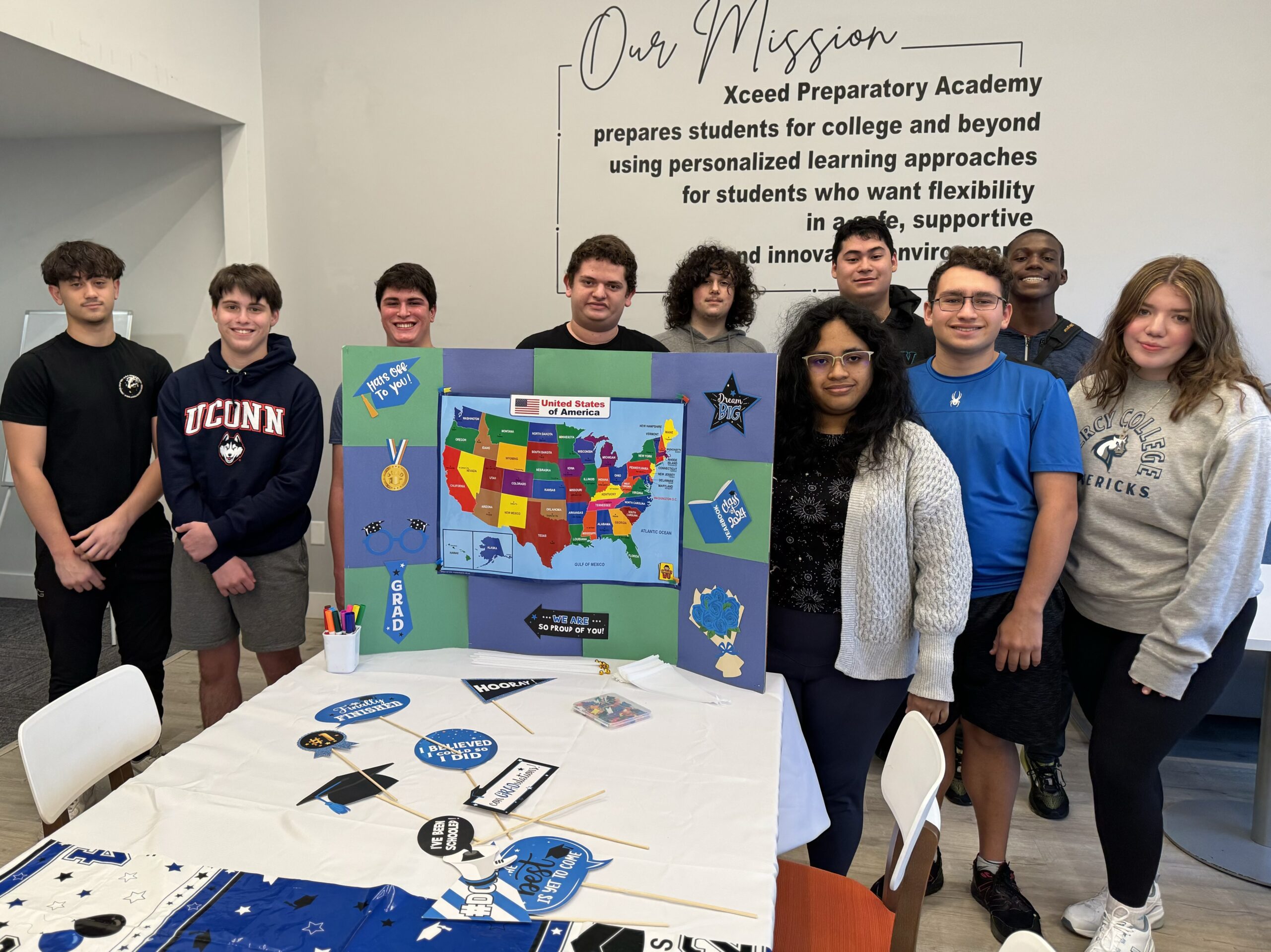
Every child has a spark waiting to be ignited. For creative learners, that spark thrives in environments where curiosity is celebrated and individuality is encouraged. At Xceed Preparatory Academy, we believe education should adapt to the student, not the other way around. Our approach nurtures creative thinkers who are confident, expressive, and academically strong, preparing them to thrive in both college and life.
What Makes a School Right for Creative Learners
A creative child is more than an artist. They are an innovator, a problem solver, and a thinker who approaches challenges from unexpected angles. In traditional classrooms, those strengths can feel stifled. Long lectures, rigid schedules, and uniform assignments often leave students disengaged, longing for a school that celebrates their originality.
Parents seeking the right educational fit should look for flexibility, individualized instruction, and an environment where creativity is valued alongside academics. Our educational redefines learning. Through project-based assignments and personalized pacing, our programs encourage exploration across disciplines including visual arts, music, technology, and design thinking. Creative learners find freedom here to experiment, grow, and gain confidence in their talent.
Why Private Schools Can Be Ideal for Creative Students
Many families find that private schools for creative children offer the adaptability and personal attention traditional schools lack. Smaller class sizes and individualized instruction help students develop their talents while maintaining strong academic foundations. For those passionate about the arts or innovation, private education provides the structure and freedom needed for meaningful discovery and growth.
We combine academic rigor with creative expression. Students can pursue electives, develop independent projects, or explore entrepreneurial ventures while meeting their academic goals. This approach builds deeper engagement and lasting success. Curious about the long-term advantages of this kind of education? Check out our post, Are Private-School Students More Successful.
The Role of Personalized Schedule Planning in Creativity
Xceed fosters creativity through flexible scheduling. Each student works with mentors, counselors, and teachers to create a plan that balances academic rigor with personal interests.
An aspiring artist might spend mornings in AP Literature and afternoons in the studio. A musician can rehearse while maintaining a strong GPA. This flexibility in education prevents burnout and allows each person to thrive at their own pace.
Parents appreciate how our model promotes independence while keeping students focused and supported. This balance of freedom and accountability helps young creatives flourish.
Academic Rigor Meets Creative Expression
At Xceed, creativity and academic excellence go hand in hand. Challenging coursework develops the same skills that fuel artistry, including critical thinking, analysis, and communication. Students learn to approach their creative work with both imagination and discipline.
From digital media and design thinking to AP honors science and dual enrollmentcourses, our curriculum develops well-rounded learners. Students interested in creative industries such as film, engineering, or entrepreneurship graduate with both the academic foundation and confidence to pursue top colleges and meaningful opportunities.
Learning Environments that Inspire Creativity
The spaces where students learn shape their performance. Our campuses resemble collaborative studios more than traditional schools. Bright, comfortable, and open, they promote focus and creativity. In this relaxed setting, students share ideas freely and develop real-world skills that mirror professional environments.
With access to technology, multimedia tools, and flexible seating, we encourage connection, collaboration, and creative problem-solving.
Support Systems for Creative Growth
Our support extends far beyond academics. Each student benefits from mentoring sessions and executive-function coaching that works to strengthen organization, time management, and goal setting. Our inclusive environment welcomes learners of all types, including those who may be neurodivergent or need specialized attention.
Through consistent communication among students, parents, and staff, our approach works to boost support every child’s emotional growth and guide potential.
Real-World Pathways for Creative Teens
Creativity connects directly to real-world experience. From internships and community projects to dual enrollment setups, these opportunities allow students to turn passion into purpose.
Our college counselors work with students as early as ninth grade, aligning coursework with career goals. A visual arts student might build a digital portfolio for design school, while a young entrepreneur might develop a business plan with local partners. These opportunities prepare graduates for future success.
Choosing the Right Private School for Your Creative Child
Choosing the right school is one of the most important decisions a parent can make. Families should consider flexibility, mentoring, creative programs, and accreditation when finding the right fit.
Xceed Preparatory Academy is Cognia accredited and offers NCAA-approved courses, providing recognized pathways to success. As a small school, we value relationships, creativity, and growth. Parents often say Xceed feels like an ideal school for creative learners, offering them a place where their child is inspired and supported daily.
With us, creativity is not an afterthought. It’s at the heart of our philosophy. Contact our team today to schedule a tour and see what makes Xceed the leading private school for families seeking innovation, balance, and academic excellence.

Parents often wonder what truly makes a difference in their child’s education. Is it the curriculum, the teachers or the number of students in the classroom? At Xceed Preparatory Academy, we believe that class size plays a key role in shaping how a student learns, grows and feels about school.
The question “Are small class sizes better?” has inspired decades of research. While there is no single formula that fits every learner, smaller classrooms consistently lead to higher engagement, stronger connections with teachers and greater academic achievement.
Understanding the Debate Around Small Class Sizes
A “small” class is generally defined as one with around 13 to 17 students, though that number varies depending on the grade level and school system. Some researchers measure class size differently, which adds to the debate about its true impact.
Studies show that smaller classes have clear benefits in early education, where foundational skills are built. In higher grades, the results can be more mixed because teacher quality, subject matter and curriculum design play stronger roles. This variation keeps the discussion open, but one truth remains consistent: when students receive more individualized attention, learning improves.
It is also important to distinguish between class size and student-teacher ratio. A school might report a low ratio even if actual class sizes are large. This happens when additional staff or specialists are counted as teachers. True class size refers to the number of students physically present in a classroom with one instructor.
At Xceed, small classes are a fundamental part of our mastery-based learning model. With 10 to 15 students per class, our teachers can adjust pacing, personalize assignments and focus on each student’s needs. This structure allows individuals to learn at their own rhythm while receiving focused support. It also aligns with our philosophy of flexibility in education, giving kids the freedom to take ownership of their schedules and progress.
Evidence from Research
One of the most influential studies on this topic is Tennessee’s Project STAR, conducted between 1985 and 1989. Researchers found that students placed in classes of 13 to 17 performed significantly better than those in classes of 22 to 25. The improvement covered reading, math and critical thinking. According to the ERIC Report ED354992, those gains persisted through later grades.
The follow-up “Lasting Benefits Study” confirmed that students who started in small classes continued to outperform their peers through fifth grade. Early class size reduction had lasting effects on both academic and social outcomes.
Economists reviewing these findings concluded that the highest returns typically came from smaller class sizes in the early years of schooling. Younger children – who are developing foundational literacy and numeracy – generally benefit most from the focused interaction that a small class size makes possible.
Our model works to apply these insights at every level. By keeping cohorts small across grades, our teachers can combine one-on-one instruction with mentorship and executive-function coaching. These strategies strengthen organization, time management and self-discipline, helping students carry the benefits of small classes through middle school, high school and beyond.
Teaching and Learning Benefits
The most immediate advantages of small classes appear in daily classroom life. Teachers have the time to know each student individually and adjust their approach accordingly. Lessons can be tailored, feedback becomes more meaningful and progress is easier to track.
In larger classes, instruction often leans toward generalization. In a smaller class, the student learning experience is more personal and dynamic. Educators can encourage individual students to ask questions, explore topics in depth and connect new ideas to their interests.
Students also feel more comfortable participating when there are fewer classmates. Discussions become richer because every student has a voice. This active participation helps them develop confidence, communication skills and curiosity. In turn, teachers can observe how each learner processes information and intervene early if challenges arise.
Research consistently supports these outcomes. Smaller classes foster stronger teacher-student relationships and higher levels of motivation. Our mastery-based model allows students to demonstrate competency before moving forward. That level of personalization works best in small, interactive environments where collaboration and discussion are at the center of learning.
Social and Emotional Impact
The social and emotional advantages of small classes can be just as powerful as the academic ones. Students typically feel a greater sense of belonging when they are part of a small, close-knit group. They tend to be more likely to build strong friendships and trust their teachers as well.
A smaller class environment allows students to be seen and heard. When they feel known, they are more willing to share ideas and take intellectual risks. They also develop stronger social awareness and empathy toward their peers. This creates a culture of respect, kindness and collaboration that supports growth in every direction.
Small classes also give teachers the opportunity to notice subtle changes in behavior or mood that might otherwise go unnoticed. This awareness allows for quicker emotional support and better communication with families.
To promote social variety, schools with smaller classes often organize clubs, group projects and cross-grade activities. At Xceed, these experiences are integrated into each student’s schedule. Students can take part in leadership programs, community service and extracurriculars that help them form diverse connections while keeping the benefits of an intimate classroom environment.
Every day, we see that students who feel secure and sense of belonging in their learning environment are more likely to take on challenges and persist when difficulties arise.
Cost and Resource Considerations
If small classes are so effective, why don’t all schools use them?
The main challenge is financial. Reducing class size requires hiring more teachers, creating additional classroom space and investing in resources. For public schools, these changes are often limited by district budgets and state funding.
As they are supported by tuition, private schools generally have more flexibility in maintaining smaller classes. Of course, that flexibility can come with higher costs for families. The good news is that many private institutions make small classes accessible through scholarships and payment options.
Programs such as Step Up for Students help families afford tuition at private schools that offer small class environments. These financial resources make it possible for more students to experience the benefits of a learning model that prioritizes individual attention and academic growth.
Understanding how private education uses tuition to fund smaller classes helps parents see the long-term value in this investment. Families can explore these opportunities through our guide, Why Choose Private School.
Deciding if Small Classes Are Right for Your Child
Every child learns differently, and the right environment depends on their personality and goals. Some students thrive in larger classes filled with many peers, while others need the focus and structure that comes with a smaller group.
Parents can start by observing how their child interacts in learning settings. Do they speak up easily in class, or do they prefer quiet one-on-one conversations? Do they benefit from frequent feedback, or are they more independent? These questions can guide the search for a school that fits their learning style.
Visiting classrooms is one of the best ways to evaluate fit. Parents can see how teachers engage students, how discussions flow and how much participation is encouraged. Asking about actual class sizes is important, as ratios can sometimes be misleading.
At Xceed, we invite families to visit our campuses, meet teachers and look in on classes. Experiencing the atmosphere firsthand helps families see how a small, flexible environment with fewer students supports both academic and emotional growth. Trial days are also available so students can experience the pace, structure and collaboration for themselves.
Balancing value and cost are also part of the decision. A strong teacher in a medium-sized class can sometimes outperform an average teacher in a smaller one. However, schools that consistently provide a personalized approach tend to offer both strong academics and better student satisfaction.
Families comparing options can learn more from our post on Public vs. Private Schools, which explores how school environments can shape long-term success.
Xceed’s Commitment to Small Classes
Small classes are a defining feature of how we teach at Xceed and how our students learn. Each class averages 10 to 15 students, creating an environment where teachers can provide personalized attention and mentorship.
Our teachers work with students and their families to build schedules that align academics, extracurriculars and personal goals. This approach promotes balance, accountability and ownership of learning. It also allows advanced coursework such as AP, honors and dual-enrollment programs to thrive, since discussions and collaboration happen naturally in smaller groups. The benefits of small classes also extend to students who need additional flexibility, such as those in ESE programs or international learners adapting to new systems.
Xceed’s accredited, relationship-focused environment supports every student while maintaining high academic expectations. Our model is designed to help students achieve measurable growth in both knowledge and confidence. As a result, they graduate with a clear understanding of their strengths, strong study habits and the communication skills needed to succeed in college and future careers.
Ready to learn more about how a small, personalized learning environment can make a difference for your child? Get in touch with our admissions team to schedule a tour, ask questions or start your enrollment journey today.