
How Do Child Actors Go To School? Flexible Schooling For Young Performers
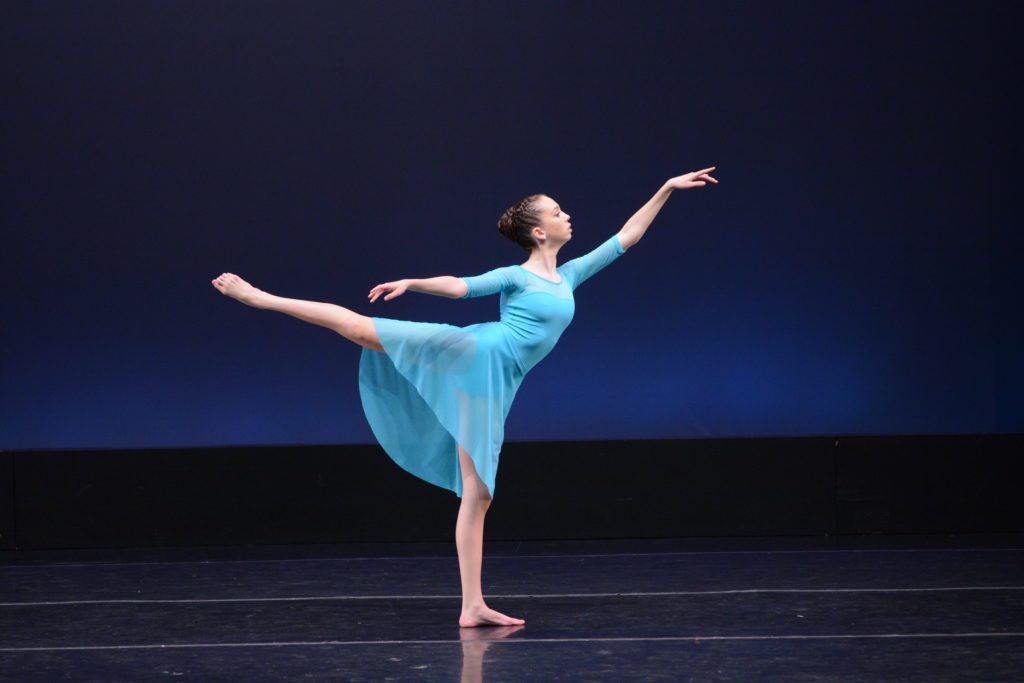
Balancing School and Screen Time – The Performer’s Challenge
Balancing on-set life with academics can be challenging for any young performer. So, how do child actors go to school while keeping up with filming, rehearsals, acting classes, and travel? The answer is flexible school options that help kids keep learning without missing exciting career opportunities.
In New York, child actors who receive lessons from their employers must average at least three hours of school each school day, though rules depend on the state and school setting. California also has special rules for teachers working with young actors on set. Major productions, including the HBO Harry Potter series, have planned small schools on set, where young actors can receive tutoring around filming schedules, with about 15 hours of lessons each week as a goal.
While regular school hours can be hard for students filming away from home, flexible options like on-set lessons and blended learning can help young actors stay on track while building their careers.
How Child Actors Go to School: A Quick Overview
Some child actors stay in their regular public or private schools and finish schoolwork around auditions, rehearsals, and filming. During filming, families may work with the child’s school to keep lessons and homework moving while the student is away. Other young actors choose online, blended, or other flexible schools when regular school hours no longer fit their schedules. Filming hours, travel, and state education rules can all help families decide which option works best.
Option #1 – On-Set Studio Teachers
Studio teachers teach young actors during filming and may also help look after their well-being on set. Required training and duties depend on the state and filming location.
School rules and studio teacher requirements for child actors differ from state to state. Families and production teams should check the rules wherever filming happens.
Pros:
- No travel time because lessons happen right on set.
- Lessons can move at a pace that fits each student’s schedule.
- One-on-one attention helps students keep learning.
Cons:
- Fewer chances to spend time with other students.
- Teacher availability may depend on filming schedules.
On-set lessons can help students during filming, but families still need a school plan for the rest of the year when filming ends.
Option #2 – Online Accredited Schools
Accredited online schools offer a helpful option for families juggling school and busy schedules. Families may choose online learning when travel, rehearsals, and filming make regular school hours hard to follow. Students can often study from a hotel room, trailer, or studio lounge and finish assignments between filming sessions.
In some states, online middle and high school students are expected to complete about four hours of instruction each day, including live lessons and independent work. These rules help students keep learning during filming while giving them some stability when their daily schedules keep changing.
For young actors, online learning can build independence while keeping schoolwork on track. A student can take time for an audition or change plans during filming while still working toward school goals. Families value how accredited online programs can help students keep learning while following their dreams.
At Xceed Preparatory Academy, we offer even more flexibility through our blended approach, which pairs online lessons with personal support from teachers who understand the busy lives of young performers.
Option #3 – Flexible Blended Private Schools (The Xceed Model)
At Xceed Preparatory Academy, we built our school around students who need both freedom and structure. Our blended learning approach combines online classes, in-person teacher support, and flexible schedules for students balancing school with acting and other commitments.
Students work with teachers and college counselors to plan classes and schedules around their school goals and busy lives. Students can get help through private or small-group lessons, while coaching in planning and study habits helps them stay organized and manage their time.
Our learning approach offers freedom without lowering our standards. Students can take challenging classes, AP courses, and dual-enrollment classes while keeping up with filming. We also help students involved in sports, music, and internships who need that same flexibility.
Benefits of Xceed include:
- A school community with flexible schedules
- Accredited courses and college guidance
- Flexible learning that works around travel and filming
Families interested in our blended approach can meet with us to talk about how classes and schedules can work around filming, travel, and creative goals.
Book a Personalized Schedule Planning Consult
Option #4 – Performing-Arts Day Schools & Independent Study
Young actors may also attend performing arts schools built for students balancing classes with creative training. The Professional Children’s School in New York City and Los Angeles County High School for the Arts are examples of schools that offer flexible classes and support for young performers. Students can keep learning while taking part in acting, music, or dance programs.
Independent-study charter schools let students finish schoolwork between acting jobs while staying enrolled in a public school district. Depending on where filming happens and the state’s rules, students may also need lessons on set. School support and lesson quality can differ by state, so families may add tutoring or accredited classes.
These arts-focused schools often have fewer students and teachers who understand busy performance schedules. Teachers offer guidance and flexible lessons, making these schools a good choice for families who want both creativity and structure.
Option #5 – Parent-Run Homeschooling with Private Tutors
Some families choose homeschooling because it gives them more control over lessons and schedules. Parents can teach their children or hire trained tutors to cover main subjects and track school progress. This option works best when families feel ready to handle lesson planning, records, and school rules.
Pros:
- Schedules can be built around each family’s needs.
- Lessons can easily change around travel or filming.
Cons:
- Parents must handle much of the planning and paperwork.
- Fewer chances to make friends without group activities.
While homeschooling gives families plenty of freedom, it also takes time and planning. Some families add accredited classes or tutoring based on their school goals and state rules. Our blended learning approach offers another choice for families who want flexible schedules along with teacher support.
Choosing the Best-Fit Path – Decision Checklist
Choosing the right school means finding a balance between good lessons, family needs, and future goals. Think about these points when choosing the best option for your young performer:
- Filming schedules and work hours.
- State rules for school instruction.
- Time with friends and other students.
- College plans, including AP classes, accreditation, and NCAA-approved courses when needed.
- School costs and available financial help.
- Keeping up with lessons during travel or long projects.
Families should also ask how each school tracks credits and progress toward graduation, especially if their child might change schools or return to regular classes.
Xceed Preparatory Academy is accredited by Cognia and offers NCAA-approved core courses. These options can help students prepare for college while making time for their creative goals.
Flexible schooling helps young actors and their families keep learning while handling changing work schedules. Schools that support creative interests can also help students find balance and grow both personally and in school. For many families, having both freedom and structure can help students succeed over time.
For more about this approach, read The Benefits of Flexible Scheduling in Education.
Next Steps – Keep Your Star Student on Track with Xceed
Balancing acting and school doesn’t mean students must choose between them.
Parents looking for a school that works with their child’s acting career can talk with our admissions team about blended learning, flexible tuition and scholarships, and school options for creative children. We’ll help you find schedules that fit auditions, rehearsals, and filming while keeping your child’s school goals in sight.
Contact us today or call 855-326-0000 to learn about school options for young actors and see how our flexible education model can support your child.
With accredited classes, caring teachers, and flexible schedules, we help young performers keep moving forward in school while following their acting dreams.
Next Steps – Keep Your Star Student on Track with Xceed
Balancing performance and academics doesn’t have to mean compromise.
Parents seeking a sustainable education path for their child actor can connect with our admissions team to discuss our blended learning options as well as flexible tuition and scholarships opportunities. We’ll help you design a customized education plan that adapts to auditions, rehearsals, and production schedules while keeping your student academically engaged.
Reach out to us today to learn more about educational options for child performers and discover how our model helps talented students stay inspired, balanced, and ready for what’s next.
With accredited academics, teacher support, and personalized structure, we’re here to help your young performer shine – on screen and in the classroom.