
Focus in School: Simple Habits for Better Learning
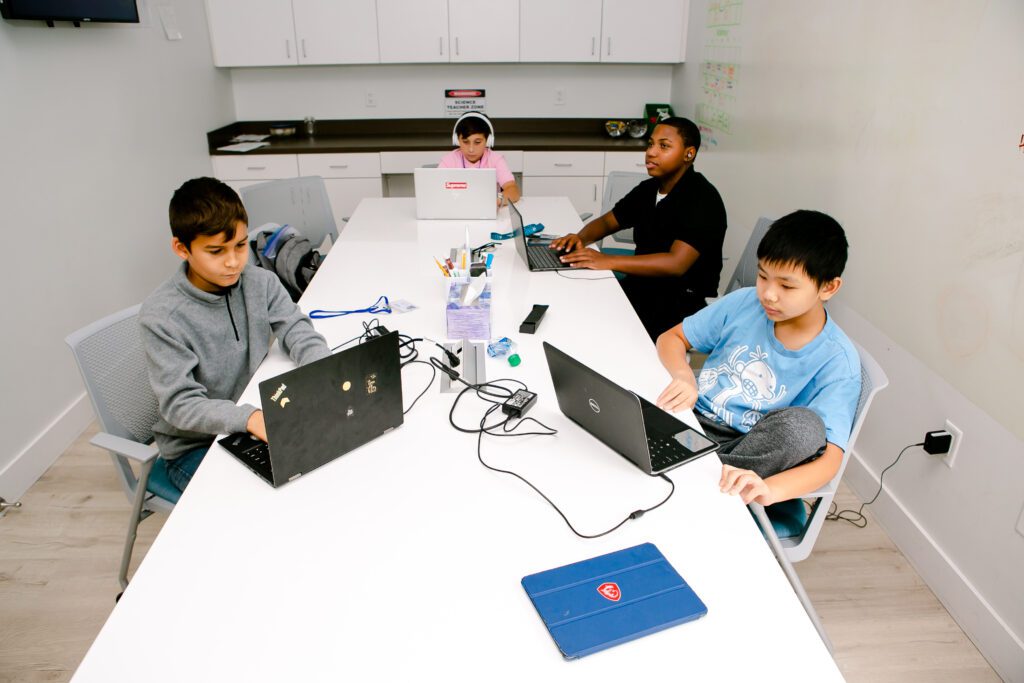
Learning how to stay focused in school has never been more important. For today’s high school students, attention is a limited resource. The National Center for Education Statistics reported that during the 2023-24 school year, 26 percent of public schools said inattention had a severe negative impact on learning. When you include schools that reported even moderate impact, that total rises to about 75 percent. This shows how sharply declining focus and concentration skills are affecting academic performance for so many students today.
The problem isn’t just discipline. Digital distractions, multitasking and cognitive overload are driving the drop in attention. Notifications, constant device use and open browser tabs compete with class discussions or homework sessions. Research shows that when students repeatedly shift between tasks, it takes longer to complete work, memory recall weakens and overall attention declines.
On top of that, high school students are often mentally taxed by overscheduling. Sports, clubs, homework assignments and extra school work add up. The brain’s working memory has limited capacity; once it’s overloaded, staying focused on challenging tasks becomes nearly impossible.
Science-Backed Habits That Boost Focus
While distractions are everywhere, there are daily habits proven to strengthen focus better in class and during study sessions. Here are some that research supports:
These habits aren’t “nice to have” extras. They form the foundation for academic performance. Good sleep, nutrition, hydration and regular routines protect concentration skills and make staying focused in school more reliable.
Reducing Digital Distractions in Class and at Home
Technology can be a powerful tool for learning. But when it divides concentration, it becomes an obstacle. Several studies show that media multitasking weakens attention and interferes with memory. For example, a review of research published in the International Journal of Educational Technology in Higher Education found that multitasking with media lowers working memory, slows task performance and reduces test scores.
To manage digital distraction while working on class discussion, homework or school work, students might try:
Together, these strategies help restore more steady focus and reduce frequent interruptions that derail concentration in school.
The Power of Breaks and Structured Study Methods
Trying to force sustained attention without breaks often backfires. Concentration drops, stress rises and mistakes increase. Here’s how structured methods and rest can boost focus:
Engage Your Brain: Active Learning for Better Focus
Staying focused isn’t just about what you avoid—it’s also about how you engage. High school students who actively participate in class strengthen their attention.
These strategies help students not just listen but think, question and interact with the material—making concentration easier to sustain.
Tools, Apps and Environments That Help Students Focus
Technology can be harnessed to build focus, not just distract from it. A few popular tools for high school students include:
Each tool has trade-offs: some are free, others subscription-based. The right choice depends on personal learning style.
But tools aren’t the only factor—environment matters. Research on learning spaces shows that natural light, noise levels and comfortable seating directly affect concentration. Xceed campuses, designed with a “high-tech startup meets coffee shop” feel, combine comfort with modern resources to make staying focused more natural.
Special Focus Strategies for Students with ADHD or Anxiety
Students with ADHD or anxiety often need additional strategies to manage distraction and improve concentration.
In traditional settings, students with ADHD or anxiety often feel left behind–battling distractions, rigid schedules and teaching methods that aren’t built with them in mind. These difficulties can impact more than just grades – they affect social skills, emotional health and their overall school experience. Schools like Xceed Academy provide accommodations and individualized approaches that support students with ADHD with personalized learning plans to help them succeed.
Why Xceed’s Model Helps Students Stay Focused
Many of the strategies above connect naturally with Xceed’s flexible model, which reimagines how high school can look when the student’s unique learning style is placed at the center.
The result is an environment where students can focus better, strengthen concentration skills and translate that focus into improved academic performance. Parents considering the long-term benefits of private school can see how Xceed’s model combines evidence-based practices with purposeful design. Flexible schedules help students arrive rested and ready to learn, small class sizes allow for deeper engagement in lessons and each Personalized Learning Plan provides a clear roadmap for progress.
By removing unnecessary distractions and aligning education with how students actually learn best, Xceed gives high school students the tools to manage their attention, complete challenging tasks with confidence and achieve stronger grades. These habits of focus extend beyond school work, equipping students with the concentration and resilience they will carry into college, careers and life.