Online vs. Campus Private School: Which Model Fits Your Child?
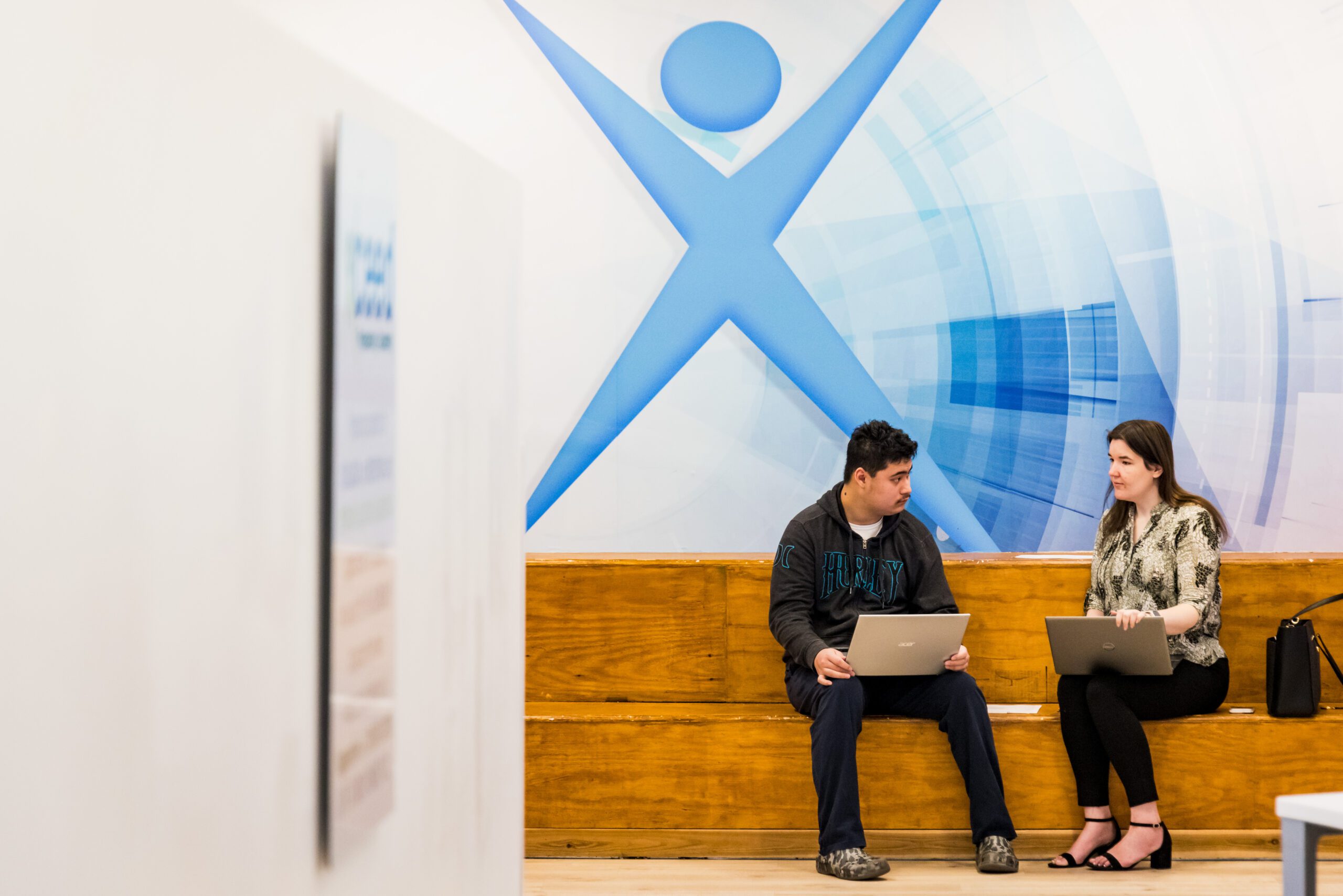
In the debate about whether it’s best to attend an online vs. a campus private school, the right decision depends on the family and the student. Some students thrive in an atmosphere with a dedicated routine and immediate access to peers, while others do best when they can set their own schedules or learn at their own pace.
A student in either category is not alone. The National Center for Education Statistics notes that K-12 at-home learning increased by about 40% between 2018 and 2023. Although the pandemic is at least partly responsible, many of the families that found safety and security in online schooling at COVID-19’s height decided to continue.
Of course, a true comparison has to clear up some misunderstanding about the education models. The head of school at our Fort Lauderdale campus explains this distinction frequently. Online schooling can provide plenty of structure, depending on the student’s needs. With an average of four to five focused hours of learning per day at Xceed’s campuses, on-campus options don’t have to require a full day of seat time.
Below are a few ways you can compare your child’s education options.
Schedule & Flexibility — 24/7 Log-ins vs. 25 On-Campus Hours
Balancing a rigorous high school schedule with flexibility requires careful consideration of each student’s educational needs and other commitments. For many, a blended learning option often fits best because it allows students to get all the benefits of a physical school campus, while making on-the-go learning seamless.
Online:
- 24/7 access, perfect for late-night finishes and competition days
- Asynchronous study, which allows students to study at their own pace
Campus:
- Personalized schedules that can work around students’ extracurriculars
- Blended learning options requiring a minimum number of on-campus hours
For either option, students, parents and teachers work together to ensure that each student stays on track. Pace monitoring helps to confirm that online students meet regular benchmarks. Campuses monitor attendance and engagement with classes to make sure each student is continually achieving. For example, our Kendall/Pinecrest campus requires 25 hours of on-campus time to maintain diploma eligibility. This flexibility allowed one of our students to stay current on their classes while competing in equestrian pursuits off-site, with virtual education support.
Community & Social Life — Small Cohorts vs. Virtual Meet-ups
Both models foster friendships, just differently. Decades of internet access show that people can form lasting friendships in small groups or online environments. Although Xceed takes pride in our small campuses and personalized learning options, that doesn’t mean the kids will have minimal opportunities to socialize or make friends.
Some of our Coral Springs parents expressed concerns that their children would not be able to make friends. They were delighted to see the variety of clubs and casual activities for students. For our online students, we provide plenty of opportunities for socializing as well. They can easily join academic pursuits, such as our live logic-league sessions, or participate in peer discussion boards to engage on fun subjects and find community.
In some cases, the small-campus environment is exactly what students need. One of our students from Coral Springs, Cat Chirgwin, found the ideal support at her school. In her old school, she suffered from extreme anxiety, which made her feel sick and increased the difficulty of meeting education goals. With the right education plan and support, she is now thriving in honors classes and engaging happily in STEM pursuits.
Teacher Access & Academic Support
Small campuses create opportunities for personalized learning that tailors education to each student’s needs. Whether students need a little extra support, or they thrive when they get an extra challenge, a smaller classroom makes it possible for teachers to provide it.
In a post-pandemic world where the youngest students are still somewhat behind on critical reading and math skills, according to research from Curriculum Associates, personalized support is key. With our campuses’ 1:8 ratio of teachers to students and daily check-ins, our students get plenty of opportunities to close the learning loss gap. Our online school students can easily reach their teachers by text, voice or phone, with weekly progress emails sent to parents. By comparison, public school teachers in traditional education often face growing class sizes that hinder their ability to meet each student’s needs.
Pros:
- Students get more individual access to their teachers than they would in a larger classroom.
- Parents have more opportunities to engage with individual teachers to build an effective learning partnership.
- About 50% of private school teachers carry a postbaccalaureate degree, such as a master’s degree, according to the National Center for Education Statistics.
Cons:
- Some parents misunderstand the goals of online education, thinking that it is more suited to supplemental learning.
- Parents may believe that less government oversight for private schools means lower quality.
- Cost of private online school may far exceed families’ ability to pay.
Extracurriculars & NCAA Eligibility
Although a small-campus or online learning environment sometimes means a limited selection of clubs and sports, many programs showcase great variety. Xceed’s schools offer access to academic and enrichment clubs and programs.
Additionally, our online schools and in-person campuses offer clubs and societies that relate to the needs and specialties of that particular learning environment. For example, our Kendall/Pinecrest campus offers clubs for yoga, chess and science, among others.
If students would prefer to participate in opportunities outside of the options that their schools provide, they’ll find few obstacles. Florida’s FHSAA rule allows any student at a small school to participate in athletics at a local public school or private school, if their campus private school sports program does not offer the option.
Even better, students aiming for participation in NCAA athletics will find approved curricula that prepares them for the challenges of higher education and private college sports. An NCAA-approved curriculum shows that university applicants have met the requirements to pursue their athletic dreams while getting a great education.
Student Profiles — Who Thrives Where?
Although many students can thrive in an online learning, small-campus or blended environment, others show a definite preference for one or the other. A student was actively working as an actor, requiring flexibility that often comes from an online learning program. Thanks to dedicated support and personalized learning, he was able to keep pace with his learning objectives while taking time to focus on building a rewarding career.
Similarly, our small-campus dynamics provide the perfect canvas for shy artists like Weston’s David Crowe to turn their education into a work of art. Crowe found support in the form of structured learning, including group sessions and scheduled activities. He was able to develop skills at independent learning, and eventually started participating in electives and club meetings.
These stories reflect how students with very different needs can find the right kind of support at Xceed’s online private school or in-person classes. The range of learning differences among students highlights the importance of personalized schedule planning and competent academic support. Learners with ADHD or a history of bullying may be more likely to flourish in a smaller, structured environment. By comparison, motivated self-starters, traveling athletes and students with unique medical needs can find exactly what they need in online classes.
Blended Paths — Xceed Lets Families Mix & Match
With an understanding of why flexibility in education matters, it is easy to discover why many students opt for a blended learning environment. Our schedules make it easy for students to pivot quickly between the activities on their academic and social calendars. For example, some students start with on-campus learning, then switch to online high school during the sports travel season. With a personalized schedule planning, they can make sure they continue to meet their learning goals.
Although flexibility is a hallmark of the blended learning approach, the heads of school at Xceed emphasize that convenience never outweighs accountability. With a pace window of less than two weeks, students can stay on track with their learning objectives and avoid falling behind.
This combination of flexibility and support allows families to mix and match programs, customizing their learning approach to their students’ unique needs. To really understand how blended learning can work for your family, you should request a consult to see our schedules. Book a tour today!
Next Steps — Choose Your Best-Fit Path
To make the right decision between online education, private schooling or traditional school, start by getting personalized advice. To learn more about Xceed Preparatory Virtual School or request information, call us at 954-688-7251 or email our admissions department. Discover our convenient campus locations, and download our online-vs.-campus checklist PDF for more information. To ease your tuition concerns, consider our scholarships and payment plans.