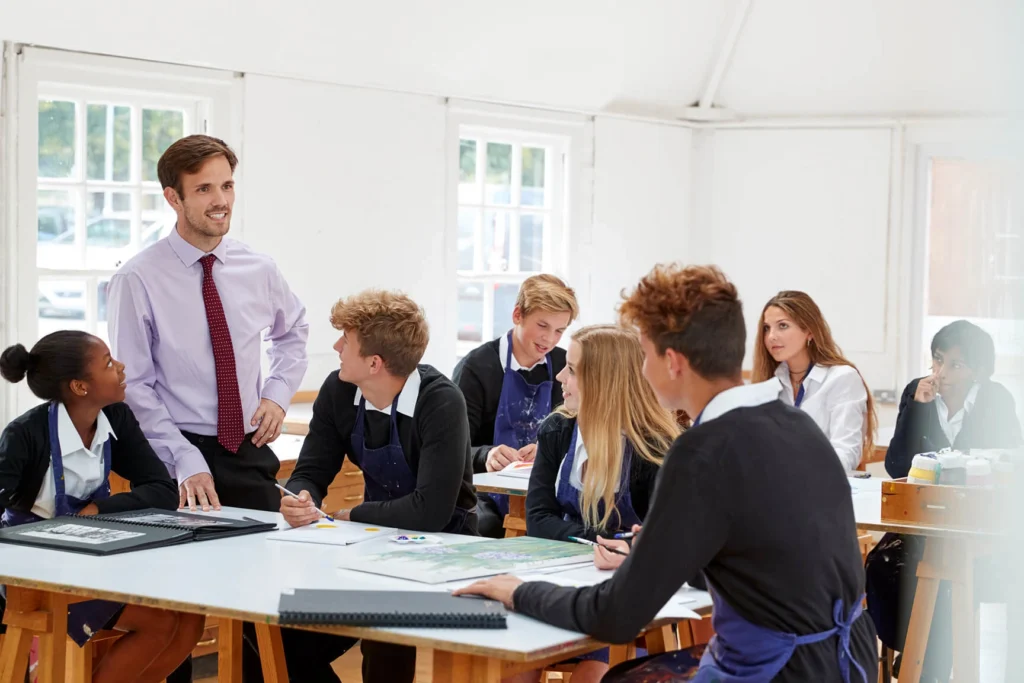
What Is a Student-to-Teacher Ratio? A Simple Explanation
When parents begin researching schools, one of the first terms they encounter is the “student teacher ratio.” While it may sound like a technical statistic, it actually reveals how much attention an individual student may receive during the school day.
The average student to teacher ratio refers to the number of students assigned to each teacher within a school. It is commonly written as a number such as 15:1, meaning fifteen students for every teacher. This figure is calculated by dividing the total number of students enrolled by the number of full-time teachers on staff.
It is important to understand that this number does not always reflect how many students are sitting in a classroom at one time. The ratio is a school-wide calculation that includes all instructional staff. A school may have an average student teacher ratio of 12:1, yet a specific course could still include more students depending on scheduling, subjects, and staffing.
Parents often confuse this measurement with class size, but the two are different. Class size refers to the number of students in a single class period or classroom while the student-to-teacher ratio reflects the overall staffing structure of the school.
Understanding this difference matters when evaluating educational environments. A school might promote a low ratio, but if the average class size remains large, the daily classroom experience may still feel crowded. Schools that intentionally organize learning around a smaller class size often create more opportunities for meaningful interaction between students and teachers.
At Xceed Preparatory Academy, we focus on how these numbers translate into real learning experiences. Ratios can help with comparisons, but the more important question is how a school uses its staffing and structure to support each student in the classroom.
Average Student-to-Teacher Ratios in the U.S.
Looking at national data helps parents understand how schools compare. According to recent education statistics, the national average student teacher ratio in U.S. public schools is about 15 to 1. Many private schools maintain smaller averages, typically around 12.5 to 1.
This difference may seem small on paper, yet it can influence daily classroom dynamics. Schools with lower ratios often provide more individualized feedback, adjust instruction more quickly, and build stronger relationships with students.
Historical trends show that ratios have improved over time. In the 1950s, many classrooms operated at levels close to 27 students per teacher. Over the decades, schools invested more resources into staffing, bringing the national faculty ratio closer to today’s numbers. Despite that progress, many districts still face teacher shortages, which can push ratios upward.
State differences are also significant. Some states maintain much higher ratios than others. Regions with growing populations and limited teacher recruitment may see classrooms stretch to twenty or more students per instructor, while states with smaller populations and strong education funding often maintain lower averages.
For families researching schools, resources such as Public School Review can provide helpful data about ratios, enrollment levels, and staffing. Still, these figures do not always capture the full experience of a classroom environment.
We here at Xceed encourage parents to view ratios as one part of the bigger picture. The way a school structures learning, schedules classes, and supports instructors can have an even greater impact on a student’s experience.
Families comparing school options can learn more about the differences between educational models in our guide to Public vs. Private Schools.
Why Student-to-Teacher Ratio Matters for Your Child’s Education
The number of students assigned to each instructor influences how learning happens in a classroom. A lower teacher ratio allows teachers to spend more time with individual students, answer questions in greater detail, and provide feedback that supports deeper understanding.
Research consistently shows a relationship between smaller ratios and stronger student achievement. Studies have found that students in smaller learning environments often demonstrate stronger reading and math outcomes compared to students in crowded classrooms.
In practical terms, smaller classes allow a teacher to observe learning challenges earlier and respond quickly. They also help create a more focused classroom atmosphere. With fewer students, discussions can involve more voices, participation becomes easier, and instructors have the flexibility to adapt lessons based on student responses.
For many families, this type of environment becomes an important factor when deciding between public schools and a private school setting. While many excellent public school teachers work tirelessly to support their students, larger enrollments can limit the time they are able to spend with each learner.
What Is a Good Student-to-Teacher Ratio?
Parents often ask what the ideal number should be. There is no single answer because the right ratio depends on the age of the students, the subject being taught, and the structure of the school.
Many education experts suggest that high school classrooms function best when groups stay below eighteen students. When a smaller class is possible, teachers can engage students in deeper discussion and offer more individualized guidance.
Our focus is not simply maintaining a low ratio on paper. Our goal is to create an environment where students receive consistent attention from instructors who know them personally and understand their goals. This philosophy shapes how we structure courses, schedule academic support, and guide students through their college preparation journey.
Parents who want to explore how ratios influence learning environments can also check out our guide to class sizes in private schools, where we go over how smaller learning groups can change the classroom experience.
Which Students Benefit Most from Smaller Classrooms?
Although all students benefit from individual attention, research shows that some learners gain even more from smaller classroom environments.
Students from disadvantaged backgrounds often see the greatest academic improvement when class sizes are reduced. Research from the Tennessee STAR study found strong results for students placed in smaller classes early in their education. According to AFT’s analysis of Project STAR, “the effect of small class size on the achievement of minority children was initially about double that observed for majority children,” with improved test outcomes and lower dropout rates among several student groups.
Students with learning differences also benefit from lower student-to-teacher ratios. Learners managing ADHD, anxiety, or those receiving ESE or SPED services often need flexible pacing and additional support. In smaller classrooms, teachers have more time to adjust instruction and provide guidance when challenges arise.
Advanced learners benefit as well. With fewer students in the room, teachers can introduce deeper discussion and more challenging material, allowing motivated students to explore subjects in greater depth.
The flexibility created by smaller classrooms also supports students balancing demanding schedules. Many Xceed students pursue athletics, performing arts, or other intensive commitments. Our learning structure allows them to maintain strong academics while continuing to pursue their passions.
Student-to-Teacher Ratio in Florida
Parents in Florida often ask how local schools compare with national trends. In many districts, the average student-to-teacher ratio in public schools is around 15:1. While this number may sound reasonable, the actual classroom experience can vary depending on how the ratio is calculated and how students are distributed across classes.
Florida also has legal guidelines that set limits on classroom sizes. According to the Florida Department of Education, the state’s Class Size Amendment sets maximum limits of 18 students for grades PreK–3, 22 students for grades 4–8, and 25 students for grades 9–12. These rules help manage classroom environments, though some courses may still feel larger depending on scheduling and staffing.
South Florida families have alternatives beyond traditional school models through Xceed. Our flexible college-prep program is built around smaller classes that support individualized schedules. This structure helps student-athletes, performers, and students with unique academic needs balance their education with other important commitments.
Families exploring different education models often ask how traditional classrooms compare with remote learning environments. Our look at Online vs. Campus Private School explains how class structure, flexibility, and teacher access differ across formats.
The Connection Between Small Classes and Personalized Learning
Personalized instruction plays an important role in preparing students for college. When students build strong relationships with their teachers, they receive more meaningful academic guidance and mentorship throughout high school. A smaller classroom environment also allows teachers to truly understand how each student learns best. Instead of delivering the same lesson to a large group, instructors can adjust the pace of instruction, introduce new challenges, and provide feedback tailored to individual needs.
We combine smaller class environments with individualized academic planning. Beginning in ninth grade, Xceed students receive ongoing college guidance, helping them choose courses, explore career interests, and build competitive applications. This approach supports long-term academic success while helping students feel confident in their educational journey.
How to Evaluate Student-to-Teacher Ratio When Choosing a School
So, now that you see that a published ratio does not always tell the entire story, you see how important it is to ask thoughtful questions about how classrooms operate when visiting a school. These questions can include how many students are typically enrolled in core classes, how instructors provide feedback, and how the school supports students who need additional help or advanced coursework.
Observing a classroom can also reveal important details. Parents should look for signs that teachers know their students well, encourage participation, and create an environment where students feel comfortable asking questions.
Experience a More Personalized Approach to Learning at Xceed
When a learning environment is built around meaningful student engagement, those numbers begin to represent something much more valuable than statistics. They reflect a place where students are known by their teachers, supported in their goals, and encouraged to grow at their own pace.
If you would like to see this approach in action, we invite you to schedule a visit and learn how Xceed supports students through personalized learning and flexible academic pathways. Reach out today to explore our campuses, meet our team, and discover how our learning environment creates the space for lasting academic success!
See what’s possible at Xceed!
Frequently Asked Questions About Student-to-Teacher Ratios
What is considered a low student-to-teacher ratio?
In many schools, a ratio close to twelve students per instructor is considered strong. A lower ratio gives teachers more time to work with individual students, answer questions, and provide meaningful feedback. This often creates a more engaging classroom environment where students can participate more actively in discussions and lessons.
Do smaller ratios lead to better teaching quality?
A smaller ratio does not automatically determine teaching quality, but it can make it easier for teachers to build strong relationships with students. When teachers work with fewer students at a time, they can better understand each learner’s strengths, challenges, and learning style. This level of attention can support stronger academic progress and a more connected classroom experience.
Can online schools maintain strong student-to-teacher ratios?
Yes. Online schools can maintain strong ratios when courses are designed with small learning groups and structured teacher interaction. With thoughtful scheduling and manageable class sizes, virtual learning environments can provide individualized guidance similar to what students experience in traditional classrooms.

Academic success opens doors, but real-world readiness helps students step through them prepared.
At Xceed Preparatory Academy, we believe financial literacy is an important part of helping students feel prepared for what comes next. Learning how to manage money, understand expenses, and make informed financial decisions gives students practical skills they can use well beyond graduation. When financial responsibility starts early, students begin to see how small, everyday choices can shape bigger goals over time.
As students move through middle school and high school, money naturally becomes part of their daily experiences. They might earn income, manage allowances, or make spending choices tied to social activities, technology, and school life. These moments offer meaningful opportunities to introduce healthy money habits that support financial stability and thoughtful decision-making as students grow into adulthood.
Understanding Financial Responsibility
Financial responsibility involves learning how to manage money thoughtfully and make decisions that align with future goals. For middle and high school students, this means understanding how income is earned, how expenses accumulate, and how saving supports both short-term needs and long-term planning. Financial responsibility gives students the tools to evaluate spending choices, prepare for emergencies, and understand how borrowing works.
Financial literacy differs from basic math because it applies numerical skills to everyday life. While math teaches calculations, financial literacy focuses on how money moves through real systems. Students learn about credit, how interest affects balances, and how financial resources are allocated over time. These lessons also introduce asset building, recognizing scams, and evaluating financial risk.
Core concepts such as budgeting, saving, investing, and responsible borrowing serve as the main building blocks of financial responsibility. Together, these skills help students understand how money decisions shape opportunities related to education, housing, and career paths.
Why Financial Literacy Matters for Teens
Teenagers today face a financial landscape that can be challenging to navigate without preparation. Young Americans collectively owe over $1 trillion in debt, and nearly 70% report living paycheck to paycheck. These numbers highlight why financial literacy matters during the formative school years.
When students begin to ask, “why is financial responsibility important,” they start to recognize how everyday choices can either support or strain their future. This awareness helps them avoid patterns that lead to long-term debt and financial stress, while encouraging smarter habits around budgeting, saving, and credit use as they move toward adulthood.
For instance, early exposure to budgeting, saving, and credit education can help young individuals make informed decisions as they approach adulthood. Choices related to credit cards, student loans, and spending habits often begin during late high school or early college years, making early education critical.
Financial choices made early in adulthood often follow students for years. Understanding how interest adds up, how debt can grow, and how to plan for everyday living expenses helps students step into independence with a stronger sense of direction. Financial literacy gives them practical guidance for handling real-life money decisions and planning for what comes next.
Key Skills for Financial Responsibility
Building financial responsibility takes time and practice. As students grow, they develop practical skills that help them manage money more effectively and prepare for the financial realities of college and adulthood. These core skills work together to support thoughtful decision-making and long-term planning.
Challenges of Poor Financial Habits
Without financial literacy, students may develop habits that create lasting challenges. Impulsive spending and limited saving can undermine financial stability, especially when paired with student loans or unmanaged credit. Many college students accumulate debt quickly when interest rates and repayment terms are not fully understood.
When students lack awareness of how interest affects balances, debt can grow rapidly. Overspending and unmanaged credit can increase financial risk and reduce flexibility in future financial decisions. Without an emergency fund, unexpected expenses can disrupt plans and add stress during important life transitions.
Teaching students to save early allows them to build resources that support stability during emergencies. Understanding how money grows over time also helps students see the value of long-term planning and responsible investing.
Strategies to Build Financial Responsibility
Building healthy money habits works best when students can see how finances show up in everyday life. Parents and educators have many opportunities to guide those early lessons in ways that feel natural rather than overwhelming. At home, families can involve teens in simple budgeting conversations, walk through monthly household expenses, or allow students to manage allowances or part-time earnings. These experiences help students connect spending choices to real outcomes, such as saving for a goal or planning around limited funds.
In school settings, financial responsibility becomes more meaningful when students can practice it. Project-based activities, budgeting simulations, and real-world scenarios give students a chance to make decisions, see the results, and adjust their approach. Exercises like tracking weekly expenses, building a sample budget, or exploring how credit scores are calculated turn abstract concepts into skills students can use right away.
Digital tools also make learning about money more accessible. Budgeting apps and expense trackers help students visualize where their money goes and plan ahead for upcoming costs. As students begin to see how each financial decision can affect future opportunities, they develop stronger money management habits that carry into college and adulthood.
Xceed Prep’s Approach to Financial Education
At Xceed, financial education fits within our broader approach that focuses on individualized learning and real-world readiness. Our personalized schedule planning allows students to explore financial topics aligned with their interests, including entrepreneurship programs, investing-focused electives, and leadership opportunities. Academic rigor adjusts to each student’s progress, allowing financial education to develop naturally alongside other subjects.
Our commitment to personalized education supports students as they build practical money management skills connected to their academic goals. Financial discussions often align with career exploration, college planning, and long-term goal setting, helping students understand how finances influence future opportunities.
Our college counseling team also provides guidance around scholarships, budgeting for college, and responsible financial planning. With us, students learn about need-based aid, tuition planning, and flexible payment options that align with individual family circumstances. These conversations help students prepare for college with a clear understanding of finances and available resources.
By blending individualized academics, financial education, and college planning support, we help students build practical money management skills that carry into adulthood. Financial literacy becomes part of a well-rounded educational experience, giving students the tools to handle finances, investments, and everyday living expenses as life evolves.
To learn more about how our approach to learning supports real-world readiness, reach out to our team and start the conversation today. We look forward to hearing from you!

What Social-Emotional Learning Is – and Why College-Bound Students Need It
What is social-emotional learning? Social-emotional learning (SEL) is the process through which students develop self-awareness, self-management, social awareness, social skills, relationship skills, and responsible decision-making.
At Xceed Preparatory Academy, we care deeply about ambition. Strong grades, advanced courses, and college acceptance letters all matter. At the same time, we see a growing reality that cannot be ignored. According to the CDC’s 2023 Youth Risk Behavior Survey, about 40% of U.S. high school students reported persistent feelings of sadness or hopelessness. That level of strain shows that academic success alone is no longer enough to prepare students for what comes next. While that represents an improvement from 42% in 2021, the number remains significant and highlights the challenges many students face.
Modern students are asked to perform under constant pressure. They juggle coursework, expectations, social dynamics, and future planning all at once. Many are capable of high academic performance, yet they struggle to stay steady when stress rises or setbacks appear. Without the tools to manage pressure, recover from mistakes, and advocate for themselves, even strong students can lose traction.
This is the gap traditional college prep often misses. Transcripts show results, but they do not show how a student handles stress, manages time, makes decisions, or asks for help when things get difficult. Social emotional learning fills that gap by supporting mental health while strengthening the habits that allow students to perform consistently.
At its core, social emotional learning matters because it makes rigor sustainable. It gives students the internal structure to handle demanding coursework, full schedules, and real-world challenges without burning out.
At Xceed, SEL is also the engine behind personalized schedule planning. Flexibility only works when students can manage themselves, communicate clearly, make thoughtful decisions, and stay resilient through change.
What Social Emotional Learning Actually Is Through the CASEL Framework
Social emotional learning gives students practical tools they use every day to manage stress, navigate relationships, and make decisions that shape their academic path. The most widely accepted structure for this work comes from the CASEL framework, which defines five core competencies that show up constantly in middle and high school life, building on skills first introduced during early learning experiences.
Self-awareness
Students learn to recognize emotion as it appears, along with personal strengths and common stress triggers. This awareness helps students understand why they react the way they do during pressure-filled moments like exams, presentations, or social conflict.
Self-management
Once students can identify what they are feeling, they learn how to respond productively. This includes emotional intelligence and regulation, focus, habit-building, and goal follow-through. For students managing flexible schedules, this competency is especially important because it replaces external structure with internal routines.
Social awareness
Students build empathy and perspective-taking skills that help them understand how others experience the same situation differently. This skill supports cooperation, respect, and smoother peer interactions in both academic and social settings.
Relationship skills
Communication, collaboration, and conflict repair are all part of this area. Students practice expressing needs, listening actively, and repairing trust when something goes wrong. These abilities directly affect classroom dynamics and long-term peer connections.
Responsible decision-making
Students learn to weigh consequences, values, and long-term outcomes rather than reacting in the moment. This shows up in everyday choices around coursework, commitments, and how students balance academics with activities outside of school.
In flexible learning environments, self-management becomes the anchor. Without rigid bells or constant reminders, students rely on planning, prioritization, and attention control to stay engaged. That is where a real SEL competency develops through repeated practice. Families exploring flexibility can learn more about why fit matters in No Two Students Are The Same.
Decision-making also plays a central role in academic growth. Students choose classes, manage workloads, and evaluate college options that support both goals and well-being. Students exploring career pathways, technical education programs, or traditional college routes benefit from these same decision-making skills. Over time, these choices shape academic learning far more than a single test or semester ever could.
The Data Showing SEL Supports Academic Rigor
Some families worry that focusing on emotions takes attention away from academics. Research shows the opposite. A large meta-analysis of 213 school-based social emotional learning programs involving roughly 270,000 students found that participation in SEL improved academic achievement alongside behavioral and social outcomes. The same research is often summarized as an average gain of about 11 percentile points compared with students who did not receive SEL instruction.
More recent research supports these findings. A systematic review of studies published between 2008 and 2020 reported small but positive effects on achievement across subjects. While individual gains may appear modest, continued SEL support across a school population adds up. With time, these gains influence confidence, persistence, and willingness to engage with challenging material.
The mechanism behind these results is especially relevant for high-performing students. High stress interferes with attention, memory, and cognitive control. These functions are central to reading comprehension, problem solving, and test performance. When stress spikes, students often cannot access the ability they already have.
SEL strengthens executive functioning by helping students reset, refocus, and regulate effort. This is why social emotional learning matters for students in AP, honors, and dual enrollment pathways. It supports routines that protect consistency and effort when expectations increase.
Why SEL Matters for the Modern Student
Many students today operate in high-pressure cycles. Athletes train year-round. Performers rehearse and travel. Students with learning differences – including those who have previously received special education services – often manage additional cognitive load. In these environments, SEL helps students recognize early signs of strain and adjust before pressure becomes disengagement.
Self-awareness allows students to notice stress building. Emotional regulation helps them respond without shutting down. These skills show up during demanding weeks filled with competitions, performances, or exams.
SEL also supports resilience after difficult moments. A poor grade, missed opportunity, or conflict becomes feedback rather than a measure of self-worth. This perspective protects motivation and keeps students engaged in learning, helping them turn challenges into positive action.
For students who have experienced bullying or social anxiety, SEL creates a sense of safety and belonging. When students feel supported, they are more likely to participate, ask questions, and take appropriate risks in class. This helps build healthy, positive relationships and fosters a positive relationship with school itself.
Flexibility mirrors real life. A flexible schedule only works when students can manage time, energy, and expectations. For students who struggle with focus, guidance matters.
Would you like to learn more? Check out our practical strategies that pair well with SEL coaching in Focus in School.
How SEL Lives in the Xceed School Day
We do not treat SEL as a separate lesson that happens once a week. Instead, it is woven into the daily experience of being a student at Xceed through mentoring, personalized guidance, executive functioning support, and meaningful relationships with trusted adults. This approach helps strengthen a positive school culture where students feel connected and supported.
SEL touchpoints occur throughout the school week. Students regularly engage in conversations about academic progress, goal setting, time management, stress management, and decision-making. Rather than waiting for challenges to escalate, faculty members work alongside students to build habits and social emotional skills that support long-term success.
A key part of this process involves personalized schedule planning. Students actively participate in shaping schedules that align with their academic goals, extracurricular commitments, learning preferences, and personal responsibilities. Through these conversations, students practice self-awareness, planning, prioritization, and accountability. The process itself becomes a practical application of social and emotional learning.
SEL support is delivered by the people who know students best. Teachers, the Head of School, academic leaders, and college counselors all contribute to helping students navigate challenges, set goals, and make informed decisions. Because support comes from multiple trusted adults, students receive guidance that feels personal and consistent.
Families also play an important role. Open communication between the school and home helps create a shared understanding of student goals, strengths, and challenges. This partnership allows students to receive consistent support across environments while developing greater independence over time.
The campus environment reinforces these relationship-building opportunities. Xceed’s modern, collaborative setting encourages conversation, connection, and community. Students build relationship skills through daily interactions, teamwork, problem-solving, and accountability within a close-knit learning environment.
While SEL is not treated as a traditional graded subject, student growth is observed through ongoing mentoring conversations, academic planning discussions, goal-setting activities, and day-to-day interactions. Progress can often be seen in a student’s ability to manage responsibilities, advocate for themselves, communicate effectively, and navigate challenges with greater confidence.
This approach strengthens school climate by creating an environment where students feel safe asking for help, taking ownership of their goals, and developing the skills needed for success beyond high school.
Families interested in structure built around students can explore our personalized education model.
Long-Term ROI for College and Career Readiness
Colleges look beyond grades and transcripts. Institutions of higher education want students who can manage their workload, communicate with professors, use support resources, and handle conflict in shared living and learning environments. Social emotional learning builds the maturity behind those behaviors, including self-advocacy, resilience, and follow-through, which become essential once students leave the structure of high school.
Those same expectations carry into the workforce. Employers consistently prioritize problem solving, teamwork, and communication. In NACE’s Job Outlook 2025 research, nearly 90% of recruiters reported looking for problem-solving ability, more than 80% valued teamwork, and about 75% prioritized communication. These are often called soft skills, but in practice they function as power skills that shape performance under pressure.
At Xceed, students are prepared for more than earning credits. They develop the ability to manage pressure, make sound decisions, and lead themselves in college and wherever life takes them. This growth happens through ongoing mentoring, personalized planning, and daily practice applying strong SEL skills in real academic situations.
Families interested in how smaller environments support this kind of development can read through our Advantages of Private Schools, where we examine how structure and support work together to reinforce long-term readiness.

Understanding Student Exchange Programs
A student exchange program offers teens the chance to study in a country different from their own while still progressing through high school. These programs may be reciprocal, where one family welcomes an international visitor while their own teen studies abroad, or they may be non-reciprocal arrangements organized through schools and educational agencies.
In either model, the heart of the experience remains the same: meaningful exposure to a foreign culture and academic growth that broadens the way a student views the world.
These programs vary in length, ranging from short-term cultural experiences to semester-long stays or a full academic year. Students typically live with a host family, which gives them an authentic daily window into a different culture and the customs that shape community life.
Whether a student travels from or to the United States, the experience of living in a different home environment encourages immersion, responsibility, cultural curiosity, and early development of global citizenship. Many programs also collaborate with schools to award academic credit, allowing students to make steady progress while gaining global exposure.
At Xceed, we see studies abroad as powerful extensions of classroom learning. Families who value global education often ask us how international programs operate, how to prepare for them, and how they connect to graduation requirements. Our flexible format supports a variety of experience-based learning opportunities, making cultural travel a realistic option for students who want to explore the world while continuing on their academic path.
Here, we’ll explore a few leading students exchange program benefits, giving both U.S. and international students the chance to grow through shared cultural understanding, new perspectives, and transformative learning experiences.
Cultural and Personal Growth
Cultural exchange programs give teens a level of exposure that reshapes the way they see people, places, and culture. Students learn to navigate unfamiliar situations, communicate across languages, and adapt to routines that look very different from home. This type of immersion naturally builds tolerance for cultural differences, creating a deeper sense of empathy and openness.
Daily interactions with new peers strengthen the ability to listen, communicate, and collaborate with those who grew up in another environment. Students absorb differences in humor, communication patterns, traditions, and community expectations. As they adjust, they gain a more mature form of understanding that extends far past the program itself.
Living abroad also encourages independence. Students learn to manage schedules, engage with their host community, and solve problems in creative ways. These skills develop gradually, yet consistently, as students become more comfortable in their surroundings. Socially, many of these youngsters build lifelong friendships that continue long after the program ends.
Programs like these can also strengthen student leadership, as students form a stronger sense of self while learning what it means to engage respectfully with communities around the world.
Academic and Language Advantages
Many exchanges allow teens to earn academic credits that count toward graduation. Schools often work directly with exchange organizations to verify course alignment and support smooth academic progress. This structure allows students to step into global learning without losing pace toward their goals.
Students gain exposure to academic environments that differ from their own. Some countries emphasize collaborative discussion, while others center instruction around inquiry, research, or hands-on learning. Encountering these differences strengthens critical thinking and flexibility. Students return home with broader perspectives on education, which often improves their performance in future classes.
Language development stands out as a key advantage. Immersion offers ongoing practice in speaking, listening, and comprehension. Because the student uses the language in conversation rather than only in structured lessons, vocabulary expands quickly and naturally. Confidence grows as they learn to express themselves in both academic and social settings.
International exposure also introduces students to new teaching styles, expectations, and ways of approaching assignments. Experiencing these approaches may help students adapt more easily when entering universities with diverse faculty and student populations.
Career and Future Opportunities
Going abroad adds strong dimension to a student’s resume and university applications. Colleges often look for qualities such as resilience, curiosity, communication skills, and initiative. Study-abroad participation signals that the student willingly stepped into new environments and embraced responsibility.
These experiences promote valuable global competencies. As students engage in conversations across cultures, they develop cross-cultural communication skills that employers appreciate. Exposure to new perspectives also strengthens problem-solving abilities and adaptability, both of which hold high value in a global workforce.
Networking naturally emerges as students meet classmates, teachers, and community members. These connections may influence future internships, recommendations, or college choices. Universities and employers often highlight the relevance of international experience, recognizing how it builds character, perspective, and intellectual maturity.
Students also gain a clearer sense of their own aspirations. Experiencing education in a new country may inspire interest in international relations, global business, public service, or language studies. These opportunities can shape long-term academic paths in meaningful ways.
Addressing Concerns and Considerations
Parents often begin the process with questions about safety, cost, and preparation. Reputable programs follow strict accreditation protocols, which include participant guidelines, support systems, and communication standards. Safety plans typically cover travel arrangements, medical considerations, and detailed protocols for emergencies.
Program costs vary depending on destination and length. Some programs offer grants or scholarships to help reduce expenses, and families may also explore financial planning strategies as part of the decision process. Early research helps families understand what is required and how to budget responsibly.
Preparing a child for living abroad is an important step. Students may encounter different communication expectations, traditions, and social norms. Discussing these topics in advance helps students approach challenges with positive anticipation rather than uncertainty. It is helpful to talk about strategies for managing homesickness and communicating regularly with the host family.
Families interested in how international travel intersects with common student concerns may find United States travel guidance in our FAQ resource.
Integrating Exchange with Flexible Schooling
Flexible schooling offers a powerful advantage for students participating in an exchange program. At Xceed, our adaptable schedule allows students to continue coursework while studying abroad, creating a smooth balance between academic expectations and cultural immersion.
Students who travel internationally can maintain academic progress through remote instruction, personalized pacing, and technology-supported communication with teachers. This structure prevents interruptions in learning while still giving students the freedom to explore new environments.
Credits earned abroad may transfer into the student’s transcript after careful review. Because our approach emphasizes individualized pacing, students can reintegrate into classes at a comfortable rate when they return.
Families can explore our flexible education model, which supports the academic continuity needed to make cultural immersion experiences possible for a wider range of students.
Next Steps and Resources
Studying abroad opens doors to academic enrichment and personal transformation. Students generally return with broader perspectives, stronger communication skills, and a deeper appreciation for global communities. Experiences like these also help students grow into thoughtful, capable young adults who engage confidently with the world.
At Xceed, we support international opportunities through flexible scheduling, personalized pacing, and continued academic guidance. When families pursue cultural immersion, we help them create a path that strengthens both academic progress and global engagement.
What sets students apart today is not just what they know, but how they use it. Classrooms are no longer focused solely on memorization or test performance. Schools are paying closer attention to how students think, communicate, collaborate, and respond to challenges.
As education evolves, families, teachers, and educators are asking a timely question, “what are soft skills in education,” and how do they shape a student’s ability to grow, connect, and succeed over time?
At Xceed Preparatory Academy, we see the impact of soft skills every day. These abilities influence how students approach challenges, engage with peers, manage responsibilities, and apply knowledge in real situations. While grades and test scores capture one part of a student’s journey, soft skills reveal how students learn, adapt, and grow across school and life.
Understanding Soft Skills in Education
Soft skills in education refer to interpersonal and transferable abilities that support how students interact, think, and respond to real-world situations. These include communication, adaptability, collaboration, empathy, active listening, and problem solving. Unlike subject-specific knowledge, soft skills influence how students use information, apply knowledge, and navigate social and academic environments.
Soft skills are sometimes described as interpersonal skills because they shape how students relate to others. They are also called transferable skills since they apply across subjects, grade levels, and future careers. A student may learn algebra or biology, but skills like collaboration and critical thinking support learning in every classroom and later in professional settings.
It is important to note that soft skills are not fixed traits. Students develop these skills through guided practice, feedback, and thoughtful teaching approaches. Group discussions, collaborative projects, reflective assignments, and mentorship all help students strengthen soft skills over time. This growth happens intentionally, not by chance.
Soft skills differ from hard skills in meaningful ways. Hard skills are measurable, subject-based abilities such as math proficiency, writing mechanics, or scientific analysis. Soft skills are less quantifiable, yet they play a central role in how students apply those academic abilities.
Soft skills and hard skills come together to form a complete picture of student development, supporting learning, communication, and long-term success.
Why Soft Skills Matter for Student Success
Soft skills matter because they influence how students engage with learning and with each other. Students who develop strong communication, teamwork, and adaptability skills tend to navigate challenges more effectively and participate more fully in academic life. These skills also support emotional well-being, helping students manage stress, setbacks, and new situations.
Colleges and employers consistently highlight the importance of soft skills. Research and workforce studies frequently show that employers value abilities like collaboration, analytical thinking, organization, and communication when evaluating candidates. These skills signal readiness to work with others, solve problems, and adapt to changing expectations.
In school settings, soft skills contribute to smoother transitions between grade levels and learning environments. Students who practice critical thinking and active listening often engage more deeply with coursework and classroom discussions. Teamwork skills help students succeed in group projects, while adaptability supports learning in new formats or schedules.
A well-rounded education includes both academic knowledge and soft skills. While textbooks teach content, soft skills prepare students for the complexity of real life. They help students apply what they learn, manage responsibilities, and interact thoughtfully with others. Together, these abilities play a direct role in student success during school and beyond.
Core Soft Skills Middle and High School Students Should Build
Middle school and high school are ideal times for students to build essential soft skills. At this stage, students begin taking on more responsibility, collaborating with peers, and exploring leadership roles. Several core skills stand out as especially valuable.
Communication skills are fundamental. Students benefit from learning how to express ideas clearly, ask thoughtful questions, and practice active listening. These abilities support classroom participation, presentations, and collaborative work.
Problem solving and critical thinking help students approach challenges with creativity and logic. Rather than memorizing answers, students learn how to analyze information, evaluate options, and develop solutions. These skills support learning across subjects and prepare students for complex tasks later in life.
Teamwork and collaboration teach students how to work productively with others. Group projects, discussions, and shared goals help students understand different perspectives and contribute meaningfully to a team.
Adaptability supports students as schedules change, assignments grow more complex, and expectations shift. Students who develop this skill typically respond more effectively to new challenges and learning environments.
Leadership skills also begin to take shape during these years. Leadership does not always mean holding a title. It includes initiative, responsibility, organization, and the ability to guide others positively.
Additional soft skills such as empathy, openness, planning, organization, and emotional awareness also play important roles. Mastering these skills help students succeed in group settings, extracurricular activities, interviews, and the college application process, supporting long-term student success.
How Schools and Xceed Prep Can Cultivate Soft Skills
A common misconception is that soft skills cannot be taught in school. Research and classroom experience show the opposite. With intentional teaching strategies, students can strengthen communication, collaboration, and critical thinking just as they develop academic skills.
Project-based learning is one effective approach. When students work on real-world projects, they practice teamwork, problem solving, and leadership while applying academic knowledge. Group assignments and discussions encourage students to articulate ideas and listen to others.
Mentorship and small-group learning also support soft skill development. When teachers and educators know students well, they can provide targeted feedback and model effective communication and organization.
At Xceed, our personalized schedule planning creates space for this growth. Flexible schedules allow students to participate in clubs, leadership opportunities, electives, and enrichment programs aligned with their interests. These experiences provide real contexts for practicing a wide range of necessary skills.
Our approach also supports social emotional learning, helping students build empathy, self-awareness, and interpersonal skills that strengthen both academic and personal development.
Soft Skills and Long-Term Student Growth
Soft skills influence college readiness and future career paths in meaningful ways. Skills like communication, teamwork, leadership, and adaptability apply across industries and academic disciplines. As career paths evolve, these transferable abilities allow students to adjust and grow.
Many employers report that soft skills play a major part in hiring decisions and long-term workplace performance. While technical knowledge can be taught on the job, soft skills shape how individuals work with others, manage responsibilities, and contribute to organizational goals.
Students can demonstrate soft skill development through experiences such as clubs, service projects, internships, and mentorships. These activities provide concrete examples of leadership, collaboration, and initiative that colleges and employers value.
Soft skills also complement academic achievement. Understanding the relationship between grades and personal development helps families see the full picture of student growth. Resources like our look at “Are Grades Important” explore how academic performance and skill development work together.
How Xceed Prep Helps Students Build Soft Skills Through Personalized Learning
We intentionally design learning experiences that support both academic growth and soft skill development. Through personalized schedule planning, we allow students to integrate coursework with extracurricular activities, leadership positions, and mentorship opportunities that align with their goals and interests.
Our small, flexible campuses create close-knit learning communities. Low student-to-teacher ratios allow teachers to support students individually, encourage collaboration, and guide interpersonal growth in a supportive environment. With us, students feel comfortable participating, asking questions, and learning from one another.
We also help students develop organization, planning, and communication skills thorough our executive-function coaching and ongoing guidance. These supports help students balance academics with activities and responsibilities, reinforcing skills that support learning and life management.
Our college counseling program also connects soft skills to future planning. Through the college prep process, students learn how to articulate their experiences, reflect on lessons learned, and present themselves thoughtfully. These experiences strengthen communication, leadership, and adaptability while preparing students for the next stage of education.
Where Personalized Learning Meets Real-World Skill Building
We believe that combining strong academics with intentional soft skill development creates students who are prepared for learning, leadership, and lifelong growth. By focusing on personalized learning, supportive teaching, and real-world experiences, we help students build the skills they need for both school and life.
If you would like to learn more about how our approach supports student success, we invite you to reach out today and discover how personalized education can make a lasting difference.
Why Teacher Quality Matters When Choosing a School in Florida
Why Creativity Matters for Students
Creativity is one of the most important abilities students can develop. It involves flexible thought processes, curiosity, experimentation, and a willingness to look at things from multiple perspectives.
At its core, creativity is the capacity to generate original ideas, connect concepts in new ways, and respond to new challenges with insight. This ability plays a powerful role in today’s learning environment. Creative thinking drives innovation and shapes how students understand the world around them.
According to a report by the World Economic Forum, creativity/creative thinking ranks among the top five most important skills for future careers. That’s because creative thinkers adapt and solve problems faster and use insights that others might overlook. In fields ranging from engineering to medicine to entrepreneurship, people who can think creatively are often the ones that stand out.
In the school setting, creativity also influences student engagement and well-being. When students explore new ideas, build projects, or design solutions, they often experience a strong sense of ownership in their learning. This boosts motivation and deepens understanding. Creative thinking also helps students build lifelong adaptability.
As careers shift and new opportunities emerge, individuals who can pivot, reimagine, and invent are better equipped for success. For this reason, any discussion about how to encourage creativity in students must begin with the recognition that creativity is not optional. It is a vital 21st century skill that strengthens problem-solving, communication, and future-readiness.
Creating a Classroom Culture That Nurtures Creativity
Creativity thrives in classrooms where students feel comfortable taking risks, making mistakes, and exploring new paths. For students to reach creative breakthroughs, they need permission to experiment without fear of judgment. That culture begins with educators who model curiosity, patience, and encouragement.
A supportive classroom environment allows students to express themselves, explore alternative approaches, and share divergent thinking openly. When teachers build trust with students, they create room for trial and error, questions, and unexpected directions. These teacher–student relationships influence how often students attempt new strategies and how confident they feel when trying something unfamiliar.
At Xceed and across our school community, we emphasize values that celebrate curiosity, originality, and reflection. Creative expression becomes part of daily learning, not a bonus activity. Students are invited to think boldly, propose new projects, and reflect on how their thinking evolves. We also encourage parents to contribute to this culture. Parents can nurture creativity at home by offering materials for open exploration, asking reflective questions, and giving children space to imagine and design their own projects.
Creativity grows strongest when the adults surrounding students believe in experimentation and recognize the purpose behind it. When schools, teachers, and parents unite around this shared vision, students experience a learning environment that genuinely supports creative growth.
Practical Ways to Foster Creativity
Developing creativity in a class requires deliberate choices. One effective approach is offering open-ended projects that give students freedom to determine their process. Projects without a single correct answer inspire divergent thinking and give students room to discover new directions.
Maker spaces also offer valuable hands-on opportunities. These spaces allow children and teens to build models, test prototypes, and explore materials freely. When paired with design challenges, maker spaces nurture creative problem solving and encourage students to approach tasks with a mixture of creativity and analysis.
Educators can also use strategies drawn from creativity research, including Torrance’s four-part model:
Teachers can reinforce these ideas by modeling brainstorming techniques, offering prompts, and encouraging students to consider multiple solutions during assignments. This gives students space to reflect on their thought processes and strengthens their intellectual adaptability.
Arts integration also expands creative thinking skills. When students engage in music, drawing, theater, digital design, or video production, they practice creative expression in ways that deepen emotional intelligence and cognitive flexibility. Design thinking in particular supports creativity because it blends imagination with problem-solving. It teaches students to empathize, define, ideate, prototype, and test.
Interestingly, constraints can also encourage student creativity. When teachers create a challenge with a specific rule or limitation, students look for inventive alternatives. A meaningful constraint can spark the very creative breakthroughs students remember most.
Teaching Creativity Skills and Mindsets
Creativity is not an innate gift that only a few students possess. It is a set of learnable skills and habits that grow with practice. At Xceed, we help students understand that creativity involves curiosity, empathy, and a willingness to take intellectual risks. These qualities help students develop broader thought patterns and more powerful thinking strategies.
Our educators teach creativity by modeling strategies, naming the skills, and guiding students through structured exercises. Then, brainstorming sessions give students space to generate ideas without filtering too early. Reflection journals also allow them to analyze their approaches and understand why they made certain choices. Lastly, peer feedback can help students refine their work and experience how collaborative thinking often strengthens creative outcomes.
Perseverance also plays a major role. Students learn that creative problem solving often involves frustration, revisions, and unexpected outcomes. By helping students see these challenges as part of the process, teachers build confidence and resilience. After all, creative work often requires multiple drafts, shifts in strategy, and honest evaluation.
Through our supportive instruction, Xceed students discover that creativity is not about perfection. It is about exploration, refinement, and growth.
Fostering Creativity with Personalized Learning at Xceed
Creativity flourishes when students are given time, flexibility, and space to explore their passions. Xceed’s personalized learning model creates this opportunity in powerful ways. Our students move through coursework at a pace that respects their strengths and helps them develop deeper ideas. This gives them room to create original projects and pursue creative interests that might fall outside traditional scheduling structures.
Flexible scheduling in education plays an important role here. Our students often balance academics with arts, entrepreneurship, technology, athletics, or immersive research experiences. Personalized pacing gives them the time to refine a design, revise a concept, or expand a creative project until it reflects their best thinking.
Small class sizes transform how teachers support creativity. With fewer students and closer relationships, teachers can mentor students through creative challenges, guide them through brainstorming strategies, and help them build confidence. Our campuses create environments where creative projects feel possible and encouraged.
Our technology-rich model also invites students to explore digital forms of creativity. Students are able to collaborate across campuses, produce multimedia work, and use digital tools to explore design, animation, and visual storytelling. The result is a community where creative thinking is active, visible, and valued every day.
Families exploring our personalized model can learn more about our different Florida campus locations to see how each campus supports student-driven creativity.
Overcoming Misconceptions About Creative Schools
Some families wonder if creative learning environments sacrifice academic rigor. At Xceed, creativity does not replace rigor. It strengthens it. Creative thinking encourages deeper engagement and helps students build stronger conceptual understanding. When students analyze information, design solutions, and explore varied approaches, they grasp material on a more meaningful level.
Another misconception is that creative schools lack structure. While our approach is flexible, our model still includes clear expectations, supportive coaching, and consistent accountability. Personalized learning does not mean students are left on their own. They receive inspiration and guidance every step of the way.
There is also a belief that introverted or highly analytical students might struggle in creative environments. In reality, creativity looks different for each learner. Some students show their creativity through art or creative writing. Others show it through research, coding, engineering, or concept exploration. By offering differentiated projects and structured scaffolding, teachers help each student find their creative strengths at a comfortable pace.
Parents who want to learn more can stop by and observe our approach to creative learning in action. When families visit our campuses, they often discover that creativity enhances structure and supports deeper learning.
Inspiring Creativity Beyond the Classroom
Creativity does not stop when the school day ends. Parents can support creative growth by offering opportunities at home. Community competitions, robotics leagues, art programs, debate clubs, and local workshops give children and teens new outlets for exploration. These experiences nurture imagination and reinforce creative skills developed in the school setting.
Families interested in supporting creativity can also explore partnerships and enrichment opportunities offered through local organizations. These experiences build upon classroom learning and help students identify strengths, passions, and talents that may guide future goals.
For families curious about our approach at Xceed, we recommend scheduling a campus tour to see our creative learning environment firsthand. During these visits, parents and students speak with our educators, explore our flexible structure, and discover the creative activities that shape daily learning. Our admissions counselors can also answer questions about scholarships, creative pathways, and flexible enrollment options that support each student’s journey.
Creativity is woven through everything we do at Xceed. We believe that students thrive when they are encouraged to explore, question, imagine, and design their world.
By nurturing creative thinking across grades and subjects, we help students cultivate a mindset that prepares them for the future and empowers them to grow into thoughtful, curious, and capable individuals.
Why Teacher Quality Matters When Choosing a School in Florida
When families explore school choice, conversations often focus on curriculum, facilities, or extracurricular offerings. While those elements matter, research and lived experience point to a single factor that consistently shapes student outcomes more than almost any other: teacher quality.
At Xceed, we work closely with families across Central Florida who are navigating options that include public school, charter school, and private school environments. Parents often arrive with questions about structure, flexibility, and academic rigor, but over time, the discussion almost always comes back to the classroom experience. A strong teacher does far more than deliver material. They adapt instruction, motivate students, build trust, and guide learners toward long-term success.
Here, we’ll go over why teacher quality carries so much weight, how Florida approaches teacher qualifications, and how families can evaluate instructional strength when comparing private schools and other educational models.
Why Teacher Quality Matters
Decades of education research show that teacher quality has a stronger relationship to student achievement than facilities, technology, or curriculum alone. While resources play a role, the individual leading the classroom shapes how effectively those tools are used. This impact grows stronger as students move into middle and high school, when coursework becomes more complex and expectations rise.
High-quality teachers influence more than grades. Students taught by effective educators are more likely to graduate, pursue higher education, and develop the confidence and resilience needed for adulthood. These long-term benefits extend well beyond the classroom and can influence career paths and lifetime outcomes.
This effect is particularly important for students who need additional academic structure, schedule flexibility, or individualized attention. In those cases, a skilled educator can bridge gaps that curriculum alone cannot address.
While credentials matter, many of the most influential qualities are less visible. Strong verbal ability, subject mastery, and academic preparation contribute to effectiveness, but classroom management, adaptability, rapport-building, and instructional clarity play equally meaningful roles.
Great teaching blends preparation with responsiveness, helping students stay engaged and supported. This is why families evaluating private education often prioritize teacher quality above all else.
Florida Private School Teacher Requirements
Florida sets different standards for teachers depending on the type of school.
For private schools participating in Florida scholarship programs, instructors must meet one of three criteria which includes holding a bachelor’s degree, possessing at least three years of K–12 teaching experience, or demonstrating specialized knowledge relevant to the subject taught. Early childhood experience does not count toward the three-year requirement, and the degree does not need to be in education.
Unlike teachers in public education systems, private school teachers are not required to hold a state-issued teaching certificate. This flexibility allows schools to recruit professionals with deep subject expertise, industry experience, or advanced academic backgrounds that may not follow traditional teacher certification pathways.
For example, schools may hire native speakers to teach world languages, engineers to teach advanced math or science, or professionals with specialized backgrounds to lead electives. While a formal teaching certificate is not mandatory, many private schools set higher internal standards that exceed state minimums.
Families should ask schools directly about expectations related to teacher preparation program experience, ongoing training, and instructional philosophy rather than assuming standards are identical across all private institutions.
Teacher Quality Challenges in Florida
Florida faces ongoing challenges related to teacher staffing, preparation, and retention. According to the Florida Education Association, statewide teacher vacancies remain high and are still approximately 64% of August 2024 levels. Some counties continue to see vacancy increases, creating uneven classroom experiences.
Out-of-field teaching has risen by 16% over the past three years, meaning more classrooms are staffed by substitutes, interns, or educators teaching subjects outside their primary training. At the same time, the pipeline of newly trained teachers is shrinking. The number of individuals completing a Florida teacher preparation program declined from 6,270 in the 2021–22 academic year to 5,655 in 2022–23 according to an FEA report.
Compensation also affects recruitment and retention. Florida ranks low nationally for teacher salary, making it difficult for many districts to attract and keep experienced staff. These pressures affect hiring decisions within each school district and often result in larger class sizes or reliance on underqualified personnel.
Oversight from the Florida department responsible for education policy continues to address these challenges, but staffing shortages remain a concern across public education systems statewide.
Evaluating Teacher Quality in Private Schools
Because private schools operate with greater flexibility, families play an important role in evaluating instructional quality.
When visiting schools, parents should ask about teachers’ academic backgrounds, years of experience, subject expertise, and any formal educator certification they may hold. While certification is not required, it often reflects structured preparation through supervised student teaching and classroom training.
Professional development is another key indicator. Families should ask how teachers continue learning, adapt instruction, and stay current with educational strategies and technology. Schools that invest in ongoing growth tend to retain stronger educators over time.
In addition to credentials, families should also observe interpersonal dynamics. Research links verbal ability and educational background to student achievement, but day-to-day effectiveness often comes down to responsiveness, communication, and mentorship. Speaking with current families can provide insight into how teachers support students and communicate with parents.
Class Size, Ratios, and Teacher Quality
Student–teacher ratios influence learning, but they do not replace instructional quality. Smaller classes allow teachers to personalize instruction and build stronger relationships, yet teacher quality remains the strongest predictor of student success across educational environments.
Less experienced teachers may benefit from lower ratios as they refine their skills. Meanwhile, highly skilled teachers can manage larger groups effectively through organization and classroom leadership. Evaluating a school requires looking at both factors together.
The strongest learning environments combine low ratios with experienced, high-quality educators who can adapt instruction while maintaining academic rigor.
How Xceed Prep Ensures High-Quality Teachers
At Xceed, teacher quality sits at the center of our educational model. We prioritize hiring educators with strong academic backgrounds, subject-area expertise, and a clear commitment to personalized instruction. Many of our teachers bring experience beyond state minimums, including certifications, advanced degrees, or professional industry backgrounds.
We support teacher growth through continuous professional development focused on flexible scheduling, executive-function coaching, instructional technology, and college-prep guidance. Our model allows teachers to tailor instruction rather than forcing students into rigid structures.
Low student–teacher ratios and flexible schedules allow our teachers to build meaningful relationships, provide individualized feedback, and adapt pacing to each student’s needs. We also support our educators with modern campuses, competitive compensation, and integrated services that strengthen instructional consistency and retention.
Families exploring private school teacher quality in Florida often ask how our approach compares to traditional models. We encourage them to learn more through resources like Why Choose Private School and our overview of a Private High School in Florida.
Benefits of High-Quality Teachers for Students and College Prep
High-quality teachers shape academic outcomes and personal development. At Xceed, we believe investing in great teachers is one of the most meaningful ways to support student success. Our teachers combine academic rigor with individualized planning. They support advanced coursework while accommodating unique schedules for student athletes, performers, travelers, and learners with differences. This approach builds accountability and independence.
Our educators collaborate closely with families to support each student’s goals, helping them build strong academic profiles and leadership skills. For families comparing independent schools and public school options, teacher quality often becomes the deciding factor.
When weighing those options, many families ask an important question about long-term value and fit. We take a deeper look at that consideration in our article, Is Private School Worth It, which explores how instructional quality influences both academic outcomes and student growth.
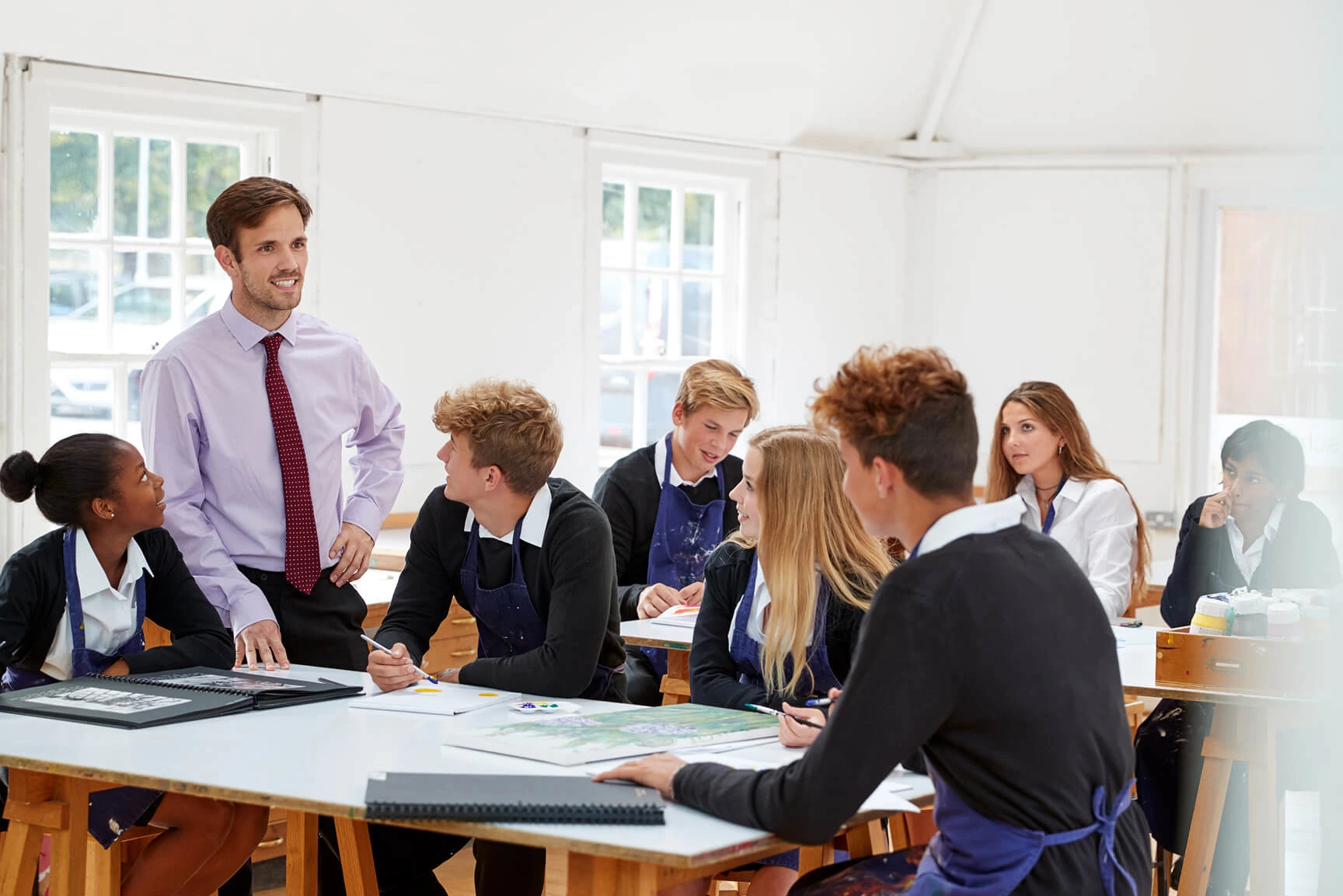
Every family wants a learning environment where their child feels supported, challenged, and genuinely known. While school tours often highlight curriculum, facilities, and extracurriculars, one of the most powerful influences on day-to-day learning is less visible. The number of students each teacher supports shapes how often questions get answered, how quickly feedback is given, and how deeply educators can connect with individual learners. For many families, understanding this dynamic becomes a turning point in choosing the right school.
At Xceed Preparatory Academy, we work closely with families who are trying to make thoughtful decisions about their child’s education. Questions about curriculum, flexibility, and academic expectations come up often, but one factor quietly shapes daily learning more than many realize: how much direct access a student has to their teacher. Choosing the right student–teacher ratio can influence long-term success in ways that extend far beyond the classroom walls.
Understanding how ratios work and how they differ from class size gives parents clearer insight into how learning actually unfolds. When families know what to look for, they are better equipped to choose the private school environment to support both academic growth and personal development.
Understanding Student–Teacher Ratio
The term student–teacher ratio sounds technical, but the concept is simple. It reflects how many learners are assigned to one educator. For example, a classroom with 30 learners and one instructor operates at a 30:1 ratio. When a second educator or instructional aide joins the room, that ratio drops to 15:1, even though the number of learners stays the same.
This is where confusion often arises. Class size refers only to how many learners sit in a classroom at one time. Ratios account for all instructional staff who actively support learning, including teachers, aides, and specialists. Because of that, two classrooms with identical headcounts can feel very different depending on how many adults are involved.
It is also important to note that ratios are schoolwide averages. They do not always reflect the exact number of learners in every room. That is why we encourage families to ask about both visible class size and overall staffing when evaluating a school.
Lower ratios create more opportunities for personalized learning. When educators have fewer learners to support, they can provide deeper feedback, adjust instruction in real time, and respond to individual learning styles. This flexibility often makes a meaningful difference for students balancing academics with athletics, creative pursuits, or nontraditional schedules.
Why Student–Teacher Ratio Matters
Student–teacher ratio plays a direct role in how supported learners feel throughout the day. Research consistently shows that access to educators is a strong indicator of academic success. When ratios are lower, teachers have the capacity to notice learning gaps earlier and adapt instruction before frustration builds.
Smaller ratios support struggling learners through targeted instruction while also allowing advanced learners to explore topics more deeply. Participation often increases when students feel comfortable asking questions and sharing ideas. That sense of connection builds confidence and encourages curiosity.
There is also an important social and emotional component. Classrooms with manageable ratios tend to feel calmer and more focused. With fewer distractions, students are better able to concentrate, collaborate, and develop positive learning habits. Teachers can spend more time guiding behavior and engagement instead of reacting to challenges.
When educators truly know their students, lessons become more meaningful. Instruction can reflect interests, strengths, and individual goals, which helps learning feel relevant and motivating.
Research & Evidence on Optimal Ratios
Decades of research highlight the value of smaller learning environments. One of the most well-known studies is the Tennessee STAR project, which compared small classes of 13 to 17 learners with larger groups of 22 to 25. This reduction resulted in academic gains comparable to about three additional months of learning.
What made the findings especially compelling was their longevity. Students who started in smaller classes continued to outperform peers years later, even after moving into larger settings. Early access to individualized attention influenced academic habits and engagement well beyond the initial study period.
International research supports similar conclusions. For example, studies from Turkey showed that learners in lower-ratio environments performed better on national exams. While outcomes depend on many factors, the pattern is clear. When students receive more direct interaction with educators, learning outcomes improve.
At the same time, research also shows that teacher quality matters greatly. Skilled educators maximize the benefits of small groups through thoughtful planning, strong relationships, and adaptive teaching strategies.
Benchmark Ratios & National Averages
Looking at national benchmarks helps families understand how different learning environments compare. According to education statistics, public schools in the United States averaged about 15.4 learners per educator in 2021, while independent institutions averaged closer to 12.5:1. Projections suggest that ratios will continue to decline over the coming years.
There is no single ideal number that fits every learner or grade level. Many educators view ratios around 18:1 as workable for adolescents, while younger learners often benefit from even smaller settings. Some states have established legal caps, such as 16:1 in early grades and 18:1 in third grade, to support individualized instruction.
While averages provide helpful context, they do not replace asking how staffing works in practice. Two schools may list similar ratios but deliver very different experiences depending on scheduling, support staff, and instructional design.
Determining the Best Ratio for Your Child
Every learner is different, and age, personality, and learning style all play a role in determining the best fit. Younger children and students with learning differences often thrive in lower-ratio environments where educators can adjust pacing and reinforce skills frequently. Older learners who are independent and self-motivated may succeed in slightly larger settings when support remains accessible.
Families should also consider trade-offs. Smaller ratios often increase tuition because additional staff increases operating costs. In some cases, highly trained educators can effectively manage larger groups while still providing meaningful support.
We encourage parents to ask thoughtful questions during the school search process. Inquire about average class size, how many educators are present during instruction, and how differentiation is handled. Teacher experience, credentials, and instructional approach often reveal just as much as numbers alone.
Small Class Benefits vs. Large Class Challenges
Smaller learning groups naturally support stronger relationships between teachers and students. Educators can offer customized instruction, facilitate deeper discussions, and create a collaborative classroom culture. With fewer behavioral disruptions, more time is spent on meaningful learning.
Larger classes can encourage independence and expose learners to diverse perspectives, which may benefit some students. However, oversized classrooms often limit individualized feedback and make it harder to address varied learning styles. Teachers may also face increased fatigue when balancing too many needs at once .
Understanding these dynamics helps families weigh what matters most for their child’s academic and personal growth.
Xceed Prep’s Small, Flexible Learning Environment
At Xceed, we intentionally design learning around small groups and personalized support. Our flexible model allows us to maintain low ratios while tailoring schedules to each student’s goals and commitments. This approach works especially well for athletes, performers, travelers, and working teens.
We balance individualized planning with rigorous college prep expectations so our private school students stay challenged without feeling overwhelmed. Our modern campuses and virtual program offer adaptable start times and learning spaces that reflect how students live and learn today.
We also offer services such as ESE and SPED programming, international student support, and even executive functioning coaching, which adds another layer of personalization to the private high school experience. From middle school through upper school, our focus remains on helping each learner thrive academically and personally.
Families often compare options across settings, from public school to private school. Looking closely at structure and support matters more than labels. Tools like our overview of class sizes and the pros of a small class size help clarify how learning environments differ in practice.
For families exploring earlier transitions, our private middle School in Florida highlights how personalized learning begins well before high school.
Choosing the best student-teacher ratio private school experience is about finding a setting where instruction, flexibility, and relationships align with how students learn best.

When a school experience stops feeling right, staying put can take a toll on everyone involved. Students may lose motivation. Parents may feel stuck between wanting stability and knowing something needs to change. For many families, choosing to move during the school year is less about disruption and more about relief. A mid-year transition can create space for renewed focus, emotional balance, and a learning environment that finally fits.
At Xceed Preparatory Academy, we regularly support families exploring how to transfer to private school midyear. With the right planning and guidance, a change during the academic calendar can feel thoughtful and purposeful. The key is finding a private school that values flexibility, relationships, and the individual needs of each learner.
Deciding Whether a Mid-Year Transfer Is the Right Move
A mid-year transfer often begins quietly. Grades may slip. Stress may increase. A student may start dreading the day ahead. Over time, it becomes clear that the current school is no longer supporting growth in the way it once did.
Families benefit from stepping back and looking at the full picture. Is the learning environment encouraging curiosity? Do classroom dynamics support participation? Is the student engaged, or simply pushing through as the school year continues?
For students in high school, these questions carry added weight. Academic demands rise quickly, and feeling disconnected during the academic year can affect both performance and well-being. In many cases, a mid-year transfer provides the opportunity to reset rather than waiting another full year for change.
Why Families Choose to Transfer Mid-Year
Families who explore a new path mid-year rarely do so on impulse. The decision usually follows careful reflection and honest conversations at home.
Some families notice that large class sizes limit individual attention. Others see that their child’s learning style does not align with traditional pacing or instruction. Relocation, schedule pressures, or a desire for values-aligned education can also influence the decision.
For some families, there’s the need to consider options like homeschool to private school, hoping to find structure without rigidity. Others seek a setting where flexibility and personal support are part of daily life. A different school can help students reconnect with learning when the right balance is in place.
Preparing for Mid-Year Admissions and Applications
Mid-year admissions often follow a rolling process, which allows schools to review applications as space becomes available. This approach gives families the freedom to move forward when the timing feels right rather than waiting for the fall cycle.
The application process may include recent academic records, teacher input, placement assessments, and conversations with admissions teams. These steps help schools understand a student’s background and recommend appropriate coursework.
It’s important to give yourself enough time to gather materials and ask questions. Doing so can make each step feel more manageable and less stressful.
Transition Support and Onboarding for Mid-Year Students
Starting at a new school mid-year involves adjustment on many levels. Academic routines change. Social circles are unfamiliar. Strong onboarding makes a meaningful difference.
On Xceed campuses, our smaller class sizes allow teachers to respond quickly to individual needs and adjust instruction during the early weeks. Academic advisors check in regularly, helping students navigate schedules, coursework, and expectations as they settle in.
This approach supports a smooth transition, allowing students to regain their footing while building trust and comfort in their new environment.
Academic Placement and Credit Transfer Considerations
Academic placement plays a key role in a successful transition. Generally, students are placed in courses that reflect prior learning while accounting for differences in curriculum pacing or sequence.
For older students, credit transfer and graduation planning deserve close attention. Schools may recommend bridge assignments or targeted academic support to maintain continuity. Families should ask how partial terms are recorded and how progress is documented through the remainder of the school year.
Clear communication helps everyone stay aligned and focused on long-term goals.
Supporting Social and Emotional Adjustment
Joining a school mid-year means stepping into established routines and relationships. That can feel uncomfortable at first, even for outgoing students.
Smaller communities often make it easier to form connections. Advisory programs, clubs, and shared activities give students natural ways to meet peers and feel included. When students feel known and supported, academic progress often follows.
We encourage every parent to ask about social and emotional support as part of the admissions conversation.
Financial and Practical Considerations for Transferring Mid-Year
Financial planning is an important part of the transition process. Many private schools prorate tuition for mid-year entrants, and assistance options may still be available.
Xceed families are encouraged to explore financial aid early and talk through logistics such as transportation, scheduling, and extracurricular commitments. These conversations help families plan thoughtfully before they enroll, easing pressure during a significant change.
Why Xceed Prep Is an Ideal Choice for Mid-Year Transfers
Xceed was designed for students whose lives do not follow a traditional academic script. Our rolling admissions process allows students to begin when it aligns with their needs and commitments, not just the calendar. This flexibility supports learners balancing athletics, arts, work, or personal circumstances.
Our small-campus environment allows educators to focus on individual progress rather than rigid timelines. Students receive personalized schedules, executive-function coaching, and academic mentoring that help them adapt and grow. We also offer ESE and SPED services, international student support, and college counseling that continues seamlessly through a transition.
For many families, transferring mid-year is not about starting over. It is about choosing a setting that finally supports the student they know their child to be.
Want to learn more about making the switch to private school? Check out our resource on Why Choose Private School. There, we go over how families often tell us they value our approach that combines structure flexibility. Our goal is to meet students where they are, support them through change with care, and help them move forward feeling confident and capable.

Choosing the right path to college credit can feel like a big decision for Florida families, especially when teens have big goals and busy schedules. Many parents hear about dual enrollment vs. AP, but the two options can feel very different once their teen starts choosing classes. With many students working toward college while balancing other commitments, families need simple information that helps them make the right choice.
At Xceed Prep, we see this as a chance to find an option that works for your teen. You are not just choosing courses. You are helping your teen build a path that fits their learning style, future goals, and daily schedule. Knowing how AP and dual enrollment differ can help families make thoughtful choices that support students now and prepare them for college.
This guide explains what each option offers, why a student may prefer one over the other, and how our team helps with personalized schedule planning. Both choices can lead to college credit, but they differ in pacing, cost, recognition, and the type of college-level work students complete. Our goal is to help families understand those differences and choose a path that supports long-term success.
What Are AP Courses?
An Advanced Placement or AP course gives students a college-level class in a high school setting. Students can take more advanced courses while still having the structure of a high school classroom and support from a high school teacher. The curriculum follows College Board guidelines, and each course ends with an AP exam. A qualifying exam score may earn college credit.
For Florida families, one benefit is consistency. AP courses and exams follow the same national standards no matter where a student attends school. A strong exam score can show colleges that the student understands the subject. AP courses may also count toward a weighted GPA at many schools, which can help strong students show the level of work they completed.
Families should know that AP exams have a fee, and not every Florida school offers every AP course. Some schools offer only certain subjects, which may limit a student’s choices. Even so, AP remains a widely recognized college-prep option. Florida’s public colleges are required to award minimum recommended credit for qualifying AP exam scores.
What Is Dual Enrollment?
Dual enrollment in Florida allows a high school student to take a college course through a partner school, often a community college or public college, while completing high school requirements. The student earns high school and college credit at the same time. The experience is more like a real college class, which can help teens prepare for college.
Florida families may also choose dual enrollment because tuition and fees are often waived for eligible public school students. This can lower college costs while helping students build a college transcript. Students learn how to read a syllabus, communicate with professors, manage study time, and meet the deadlines expected in a college class.
Unlike AP, dual enrollment does not depend on one final exam. Students earn credit based on their work throughout the term. With access to different subjects and course levels, students may also explore possible majors or complete some college requirements sooner.
For Xceed students taking part in our dual enrollment partnership programs, these courses can help build confidence and prepare them for college-level work.
Dual Enrollment vs. AP – Key Differences
Families often ask which option is academically “better,” but the better question is which option fits the student’s abilities, motivation, and future goals.
Eligibility
AP courses are widely available, though the subjects offered can vary. Dual enrollment in Florida may require a certain GPA or placement test. Some students easily meet those requirements, while others prefer AP because it may not require a college-readiness test.
Credit Transfer
AP credit depends on the student’s exam score and each college’s rules. Some colleges award full credit, while others use scores only for placement. Dual enrollment credits often transfer within Florida’s public college system through the statewide course numbering system. Families should still check transfer rules for private or out-of-state colleges.
Cost
AP exams charge a fee for each test. Dual enrollment courses in Florida often have waived tuition for eligible students, which may lower the cost of earning college credit.
Workload and Schedule
AP follows a traditional high school structure and leads to a final exam. Dual enrollment works more like a college class, with more independence, different syllabi, and sometimes classes on campus or online. Students balancing sports, travel, work, or arts programs may find that dual enrollment gives them more schedule options.
Academic Experience: AP Exams vs. College Course Grades
The academic experience can feel different in AP and dual enrollment, even though both involve college-level work. AP courses follow a standard College Board framework. Students work through a set curriculum and then take the AP exam at the end of the course.
Dual enrollment courses work more like regular college classes. The professor, syllabus, and grading system may differ from one class or college to another. Instead of depending on one final exam, students usually earn their grade through assignments, tests, papers, projects, and other work completed during the semester.
Each option brings a different type of challenge. AP students prepare for a major exam, while dual enrollment students may need to manage college deadlines, follow a syllabus on their own, and stay on top of work throughout the term.
Neither option is always harder. One type of course may feel easier for one student and harder for another. Families should think about the student’s study habits and how comfortable they are with each type of workload before choosing.
How Dual Enrollment & AP Fit Into Personalized Schedule Planning
Every student has different strengths, routines, and responsibilities. Some teens do well with a highly structured school day, while others prefer the independence of a college-style class. At Xceed Prep, personalized schedules help families choose the option, or mix of options, that best supports the student.
For athletes, performers, and students with major activities outside school, dual enrollment may fit more easily into the week. A weekly college class or online course may help students keep up with training, performances, or travel without following a daily AP class schedule.
For students who enjoy structure and routine, AP classes offer set expectations and a steady timeline. Students work closely with a teacher, follow a planned pace, and prepare for a specific exam.
Our counselors help students and families choose the right mix based on personal goals, college plans, and current commitments. This same approach guides our planning at Xceed, including our insights into Evaluating High School’s Role in College Preparation.
Personalized schedule planning can also consider how advanced courses fit into the student’s week. A college class may use a different calendar or require independent work outside regular school hours. An AP class may require more study time as the exam gets closer.
Families can compare those demands with the student’s full schedule, including graduation requirements and activities outside school. This gives them a better idea of whether the workload will be realistic before classes begin.
Taking AP and Dual Enrollment Together
Students can take AP and dual enrollment during the same school year if their schedule and course choices allow it. Using both can give students experience with two academic formats while they work toward college credit.
A student may choose AP for a subject where they want more structure, then take a dual enrollment course in a subject they want to explore more independently. Experience in both settings can help students get used to different academic expectations before attending college full time.
The main concern is workload. AP courses may require steady preparation for a final exam, while dual enrollment classes often include college-level deadlines and grading rules. Families should look at the student’s full course load and decide whether they have enough time and energy to manage both.
At Xceed, students and families can discuss these options during personalized schedule planning so course choices support graduation requirements, academic interests, and future college plans.

What Florida Colleges & Universities Want You to Know
Florida colleges and universities recognize both AP and dual enrollment, but each type of credit may be treated differently based on the school and the student’s chosen major.
Florida’s public colleges and universities follow policies that may turn qualifying AP exam scores into college credit. Parents should review each college’s credit chart to see how specific subjects and scores may apply to degree requirements.
Dual enrollment credit can transfer through Florida’s statewide course numbering system when a course appears in the approved catalog. This can help students who plan to attend a Florida school. Families considering private or out-of-state colleges should check transfer policies early.
Knowing these details can help parents guide course choices that support college admissions and may reduce the amount of college coursework a student needs later.
How College Credit Applies Toward a Degree
Having college credit accepted does not always mean it will count toward the classes a student needs for a degree. A college may accept an AP score or transferred dual enrollment course but apply that credit differently based on the academic program.
A credit may meet a general education requirement, count toward a major, or apply only as an elective. That difference can change how many degree requirements the student actually completes with the credit.
Students who already have colleges or majors in mind should check whether the credit transfers and which requirement it may meet. The answer can vary by college and program. A course that is useful for one degree may be less useful for another.
Students hoping to complete fewer courses in college should find out how the credit will apply before choosing a class. Families can review credit policies for schools the student may attend and see how certain AP scores or dual enrollment courses may fit the student’s planned degree.
How Colleges View AP and Dual Enrollment
Colleges generally look at how challenging a student’s courses are based on the options available to them. They do not always view AP or dual enrollment as better simply because of the course name. AP can show that a student completed standard college-level academic work, while dual enrollment shows experience completing an actual college course.
Highly selective universities do not always favor one option over the other. Admissions teams may look at course difficulty, the student’s grades, and how those choices fit with the rest of the academic record.
Students considering several colleges should choose challenging courses they can handle well instead of choosing AP or dual enrollment because one sounds more impressive. Colleges may consider both the level of the courses and how well the student performed.
What to Verify Before Enrolling in AP or Dual Enrollment
Before enrolling, families should confirm how the course works and what the earned credit may count toward.
For AP, check the exam requirements and credit rules at colleges the student may consider. For dual enrollment, review the course syllabus, grading rules, and whether the class becomes part of the student’s college academic record.
Families should also check how the credit may apply toward a future degree. A course may meet a general education or major requirement at one college but count only as an elective at another.
It also helps to check what support is available, especially for students taking college-level classes for the first time. Ask what academic help students can receive, who they can contact with questions, and what happens if they begin having trouble in the course.
Which Option Is Right for Your Student?
Families choosing between dual enrollment and AP should think about their teen’s learning style, maturity, schedule, and future goals. Some students enjoy the structure of AP classes and the focus on preparing for exams. Others do well with dual enrollment because the setting feels more like the type of learning they expect in college.
A few questions can help:
AP may work well for students who prefer standard coursework, predictable pacing, and exam-based grading. Dual enrollment may be a better fit for students who are comfortable meeting college deadlines, communicating with professors, and working more independently.
Dual enrollment also brings a responsibility students may not face in the same way with AP. Because the class is taken through a college, the student’s grade may become part of a college academic record. Families should think about whether the student is ready for that responsibility before enrolling. For some students, combining both options may make sense.
We encourage families to meet with an Xceed college counselor early. These talks can help students choose a path that builds confidence, supports academic growth, and keeps them moving toward graduation.
How Xceed Prep Supports Flexible, Personalized College-Prep Pathways
At Xceed, flexibility is a key part of how we help students explore college credit options. We help students fit AP classes and dual enrollment into their goals, interests, and schedules. College counselors also help families consider future plans when choosing courses and preparing for life after high school.
Our small campuses and Xceed Prep Virtual School provide options for students with specialized needs, including international students, ESE/SPED learners, and teens who benefit from executive-function guidance. Personalized schedule planning can include AP, dual enrollment, or both based on the student’s goals, interests, and future plans.
For Florida teens taking college-level courses, we provide an environment that combines strong academic preparation with flexibility and personal attention. Families looking for a balance between academic goals and student well-being can work with our team to find a schedule that fits.
Want to learn more? Check out our resources like When choosing a private school and Why Choose Private School.