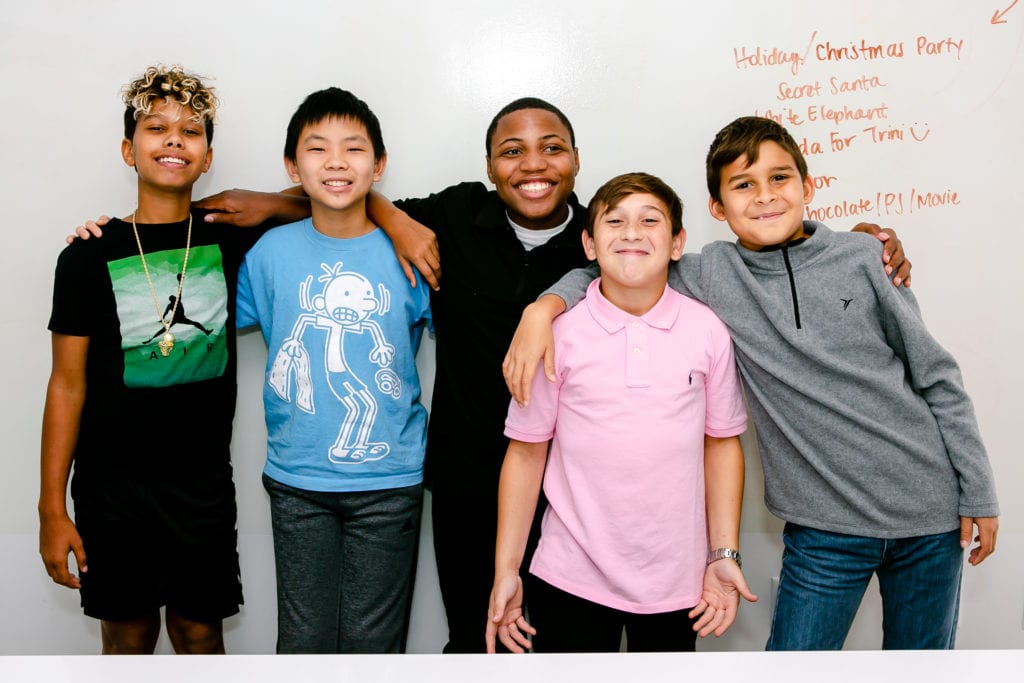
Why Choose a Private Middle School in Florida?
Is your child getting lost in the crowd? When classrooms are packed and teachers are stretched thin, it’s easy for middle schoolers to slip through the cracks. With Florida’s public middle school classes capped at 22 students, this happens all too often.
At Xceed Preparatory Academy, we cap daily cohorts at just 10–12 middle schoolers. That difference isn’t just numerical – it’s transformational. With smaller class sizes, focused instruction, and personalized schedules, students aren’t just keeping up – they’re thriving.
Our model blends the independence of a college-style format with the academic scaffolding students need during these critical years. For families seeking something better than overburdened public schools or one-size-fits-all charter options, our private middle school offers a powerful alternative grounded in flexibility, support, and results.
Is a Private Middle School Worth It in Florida?
For families who value growth beyond the gradebook, yes – absolutely. A private middle school environment gives students space to develop emotionally and intellectually without getting lost in the crowd. At Xceed, sixth through eighth grade is a time to explore passions, build habits, and develop leadership skills. Our model allows middle school students to move at a pace that matches their learning style – faster where they excel, steadier where they need support.
See Campus Snapshots below for local options.
Private vs. Charter Middle-School Class Sizes
While charter schools are expanding quickly in Florida – with 20,000 new seats projected by 2026 – they still struggle with the same scalability issues as traditional public schools. That means larger class sizes, fewer personal connections, and less flexibility for teachers to adapt to each student’s needs. At Xceed, our 12:1 student-teacher ratio is standard, not a luxury. Our small cohorts allow us to spot struggles early and celebrate progress often.
See Campus Snapshots below for local options.
Scholarships for Private Middle School in Florida
Worried about cost? Xceed participates in Florida’s Step-Up and McKay scholarship programs, as well as offering need-based aid and payment plans. Our admissions team works closely with families to find solutions that make a private school education accessible and sustainable. Because every student deserves access to an environment where they can succeed.
See Campus Snapshots below for local options.
Xceed’s Middle-School Advantage (95% Family Re-Enroll)
It’s not a marketing line – it’s a reflection of trust. 95% of Xceed families re-enroll after their first year. Why? Because they see the difference our model makes – not just in test scores, but in confidence, independence, and day-to-day attitude.
From sixth grade onward, students create personalized learning plans (PLPs) that grow with them. These plans are reviewed monthly and co-created with input from families, advisors, and students. A PLP isn’t just a schedule – it’s a strategy. It helps students reduce stress, develop time management, and focus on what matters most.
Each school day is 4–5 hours long, leaving afternoons open for athletics, music lessons, internships, or rest. Students can pursue passions without sacrificing academics – and parents can see their child truly enjoy school again.
Explore how a PLP looks in practice in the Teacher Credentials section.
Campus Snapshots – 5 South-Florida Locations
Pick a campus that fits – each under 15 miles from major highways and designed for real-world learning.

Boca Raton
Entrepreneurship electives & ocean-science tie-ins; popular later start

Coral Springs
NASA Lunar Growth Chamber + SECME engineering wins

Ft Lauderdale
Waterfront setting & 95% re-enroll; advisory “crew” mentoring groups

Kindall-Pinecrest
80% referrals; bilingual enrichment and language-immersion blocks

Weston
“Name, not number” community; Logic League coding & robotics programs
Pros:
- Flexible scheduling across locations
- Hyperlocal community connection
- Real-world enrichment opportunities
Cons:
- Some campuses have waitlists
- Commute may vary by region
Teacher Credentials (100% Florida-Certified) & Student Support
In middle school, who’s teaching is just as important as what’s being taught. Every Xceed instructor is Florida-certified and experienced in working with diverse learners. With a 1:12 ratio, teachers provide instant feedback, personal check-ins, and one-on-one coaching when needed.
We also recognize that not every middle schooler learns the same way. Students with ADHD, anxiety, or mild learning differences benefit from personalized pacing, flexible assessments, and teacher empathy. Just ask Yossi, who arrived quiet and withdraw – and now leads his Film Club. Or Natalie, who once was too hesitant to participate, but now leads classroom presentations.
Pros: Immediate academic support, reduced homework pressure
Cons: Requires parent-teacher collaboration and proactive engagement
See Clubs & Sports for social outlets.
Clubs, Sports & Social Life (20+ Noon/Late-Day Options)
Middle schoolers aren’t just students – they’re budding filmmakers, engineers, coders, and leaders. At Xceed, our club lineup reflects that. Students can join SECME teams, dive into Logic League, or express themselves in Film Club. Leadership development comes through Rotary Interact, while creativity thrives in design labs and writing groups.
And for athletic families? Through FHSAA dual enrollment, Xceed students can compete on public school varsity teams in their home zones – something most private middle schools can’t offer.
Public: Activities may be limited by class size and staffing
Charter: Clubs often limited to once-weekly options
Xceed: 20+ choices, integrated into flexible school-day schedules
Jump to Tuition section.
Tuition, Scholarships & Payment Plans (Step-Up, McKay, Aid)
A high-quality private middle school experience should be within reach for families who want it. At Xceed, we’re committed to affordability and access. We accept:
- Florida Step-Up scholarships
- McKay and Family Empowerment programs
- Need-based institutional aid
- Monthly payment plans tailored to family budgets
Our admissions team will walk you through the paperwork and help you explore what’s available. We believe every child deserves the environment that supports their potential – without a financial barrier standing in the way.
Next Steps – Tour & Shadow Day
We don’t just prepare students for high school – we give them tools to lead their learning now. Our graduates transition seamlessly into our college prep self-paced private school model, where self-motivation, digital literacy, and time management are second nature.
For families with long-term goals, our path from grades 6 to 12 offers continuity, consistency, and connection. We invite you to explore how Xceed students learn on their own terms – and succeed because of it.
And for learners who’ve fallen behind due to pandemic disruptions or other challenges, our summer programs help close the learning loss gap with accredited courses that count toward graduation
The best way to understand how Xceed works is to see it for yourself. We invite families to take a private tour – no pressure, just a clear view of our classrooms, tech integration, teacher credentials, and real-time student engagement.
You’ll walk through four key checkpoints:
- Personalized learning plan (PLP) design session
- Tech-enhanced classroom demo
- Social commons visit
- One-on-one chat with a campus advisor
For students, our optional shadow day allows them to walk in the shoes of a current student – attending classes, meeting teachers, and exploring our learning model firsthand.
Get started by scheduling your private tour today.
Why Families Trust Xceed
Choosing a middle school is a pivotal decision. At Xceed, families stay because they see more than just academic excellence – they see happier kids, motivated learners, and thriving individuals. With five South Florida campuses, 20+ extracurricular activity options, personalized academic pacing, and a seamless bridge into private high school, we offer more than just school. We offer growth, community, and purpose. Come see what our students – and their families – already know: a better middle school experience is possible.
Come see what our students – and their families – already know: a better middle school experience is possible.
Admissions Process for a Top Private School in South Florida
“Success” can mean something different for every student. Still, families put a lot of time, energy and money into education. It makes sense to wonder whether private school students are more successful. Research can help families better understand the possible outcomes. When you look at academic results, future careers and involvement in the community, the data shows several ways private school may support students over time.

At Xceed Preparatory Academy, we work to help students build their own path toward success. Our certified teachers are available on campus to provide support when students need it. Personalized schedule planning also gives students more flexibility to pursue goals outside the classroom. This approach helps students balance school with the activities and experiences that matter to them while preparing for college and life after high school.
Let’s look at some of the ways private school education may support long-term student success. We’ll also explain how Xceed gives students opportunities to build these skills and prepare for what comes next.
What “Success” Means After High School
Success after high school can include much more than grades or college acceptance. Students are also preparing for college completion, future careers and life in their communities. To make these outcomes easier to understand, we’ll look at four main areas: academic achievement, degree completion, career earnings and civic engagement. Each one gives families a different way to think about how education may affect students after graduation.
- Academic achievement includes areas such as test scores, GPA and acceptance into competitive colleges.
- Degree completion looks at how many students finish college or continue their education to earn a master’s degree or higher.
- Career earnings look at how well people do financially as their careers develop over time.
- Civic success includes leadership, giving back to the community and how people feel about their lives overall.
Recent education statistics also show that private-school enrollment has grown. Enrollment has increased by 5% since 2011. Families may choose private education for many different reasons, so enrollment growth alone doesn’t explain why they make that choice. Still, the increase shows that more students are attending private schools than they were in 2011.
Academic Launchpad: Scores & College Acceptance
Academic performance in high school can play an important role in college planning. Available data shows differences between private-school students and students nationwide. According to 2025 data, the average SAT score for private-school students is 1230. That is higher than the 1024 national mean. SAT scores can be one part of the college admissions process, depending on the school and its admissions policies.
College enrollment data provides another useful example. Dartmouth College’s Class of 2027 reported that 45% of admitted students came from private schools. That means private-school students made up a large share of the admitted class. However, college admission decisions depend on many factors, so school type alone doesn’t explain why an individual student is accepted.
At Xceed, we provide personalized support to help students plan for college. Students receive college counseling and help with course selection, college research, applications and postsecondary planning. This support is built into the student experience, so families don’t have to manage every part of the process on their own. Students can ask questions, compare their choices and get guidance as they decide what they want to do after high school.
College Completion & Advanced Degrees
Getting accepted to college is an important milestone, but students also need to finish their degree. Staying on track through college can affect future earnings and other parts of adult life. Many things can influence whether a student completes college, including how well prepared they feel for the academic work and how comfortable they are taking responsibility for their own progress.
According to the National Center for Education Statistics, adults with a bachelor’s degree earn 59% more than adults whose highest level of education is a high school diploma. Of course, finishing college depends on many factors. Academic preparation matters, but financial resources, family support and each student’s personal circumstances can also play an important role.
Xceed’s structure is designed to help students practice skills they may use after graduation.
We maintain a 95% student reenrollment rate year over year. That rate can be one sign that students and families choose to continue with our approach to private education. Small class sizes, flexible scheduling and personalized support also give students opportunities to speak up for themselves. They can practice handling challenges and taking responsibility for their work, which are useful skills when they move into higher education.
Earnings & Career Trajectory
Career outcomes are another way to look at what happens after students finish school. Research has found differences in earnings between some private-school and public-school graduates, although many factors can affect a person’s income. Looking at those differences can help families understand one part of the larger picture when considering the possible long-term outcomes of private education.
A Cambridge University study found that private-school graduates earn about 6% more just three years after finishing college, even after researchers adjusted for degree type and major. School experience may be one part of that difference. Access to internships, mentors and professional networks may also affect how graduates begin their careers and find early opportunities.
Our flexible model can make it easier for students to take part in internships, part-time jobs or special training. In some cases, they can pursue these activities during regular school hours while keeping up with their coursework. For example, a student training at SoFlo Ninja can continue with a challenging academic schedule while also spending time on athletic training and professional development.
Experiences like these can help students build confidence and discipline while adding useful experience to their resumes. They also give students a chance to learn what different responsibilities feel like before they graduate.
Leadership, Networks & Social Capital
Leadership can take many forms. Students may lead a club, help organize a project or take responsibility when working with other people. These experiences can help students practice communication and teamwork. They can also learn how to make decisions when others are counting on them. Relationships built through school may continue to provide support later, especially as students enter college and begin thinking about their careers.
According to a 2024 Inside Higher Ed survey, 56% of universities rely on alumni networks to help with career mentoring and job placement. Students may begin building useful relationships during high school, including connections with teachers, classmates and other members of their school community. These relationships can continue to be helpful as students explore career opportunities later.
At Xceed, we want every student to feel seen, heard and known by name. This type of environment can give students more chances to take on leadership roles. Sam McCarthy from our Weston campus is one example. As a founder of the Logic League, he leads other students as they build practical problem-solving skills through math competitions and coding challenges.
We believe students can begin developing leadership skills while they’re still in school. Our students can take responsibility in clubs, community activities and projects connected to their interests. These experiences give them opportunities to share ideas, work with others and make decisions. They can also learn how to handle responsibility while having teachers and other adults nearby to provide support when needed.
Civic & Life-Satisfaction Payoffs
Success after school can also include how people take part in their communities and how they feel about their lives. Researchers have studied whether school type may be connected with these outcomes. Some long-term studies have found positive differences in civic outcomes among private-school graduates, though results can vary depending on the study and the students being compared.
A 2024 meta-analysis published in Springer’s education journal found that private schooling contributes to improved civic outcomes by 0.055 standard deviations. This research provides another way to look at how education may relate to life beyond academics and work. As with other long-term outcomes, many personal, family and social factors can also affect the results.
We see students practice some of these skills through their own experiences at Xceed. Yossi, a Coral Springs student, faced bullying at previous schools. He now leads clubs focused on advocacy and inclusion. Taking on those responsibilities gives him opportunities to build confidence and practice public speaking. Experiences like these can also help students feel more connected to their school community while developing skills they may use later.
How Xceed Multiplies These Success Factors
Xceed takes a different approach from many traditional private high schools. Our flexible model gives students more control over how school fits into their lives. We combine that flexibility with challenging academic options and direct support from teachers. Students can organize their schedules around their goals while still completing the coursework they need to prepare for college and other plans after high school.
We use personalized schedule planning to help students choose courses and organize school around academic goals, outside commitments and future plans. Students have used this flexibility to take part in advanced projects such as the NASA Lunar Growth Chamber and SECME Bionic Hand. Opportunities like these allow students to apply what they’re learning while building skills through projects with practical uses.
Certified teachers are always available on campus to provide direct instruction and academic support. Our campus day usually lasts about 4–5 hours. That schedule can leave students more time for extracurricular activities, internships and other learning experiences outside school. Students still need to complete their academic work, but they have more flexibility in how they organize school alongside the other responsibilities and goals in their lives.
Some students come to Xceed after feeling lost in a traditional public school setting. Others are looking for more challenging work or greater flexibility. Our approach gives students room to build a school experience around their individual needs and goals. Instead of expecting every student to follow the same daily path, we can adjust the experience based on how a student learns and what they’re working toward.
Safety and belonging also matter in a student’s daily school experience. When students feel safe, respected and valued, they may feel more comfortable participating in class and trying difficult work. They can ask questions, share ideas and take on challenges without feeling like they have to handle everything alone. We work to create that kind of supportive environment across our campuses.
Want to learn more? Check out our breakdown on the public school vs. private school conversation.
Limitations & Equity: What the Data Can’t Show
Some studies show differences between private-school and public-school students, but school type doesn’t explain every outcome. Students who attend private schools may already have access to stronger family support, earlier academic opportunities or additional resources. Researchers call this selection bias. It’s important to keep those differences in mind when looking at statistics about academic results, college completion, earnings and other measures of success.
Some long-term studies account for factors such as family income and social background and still find measurable benefits connected with private education. At the same time, access to those opportunities isn’t equal for every family. At Xceed, we want more families to have access to a flexible, personalized and college-preparatory education when that type of school experience fits their student’s needs.
We participate in Florida’s private school choice program through Step Up for Students. The organization manages scholarships such as the Family Empowerment Scholarship, Florida Tax Credit Scholarship and Hope Scholarship. These programs provide public funding that eligible families can use at approved private schools. This support can make private education an option for students and families who may not have considered it before.
Our participation reflects our belief that more families should have access to private school choices. Along with accepting these scholarships, we also offer need-based financial aid. For families interested in a student-centered learning model, these options may make a personalized private education more accessible. Families can then compare their choices and decide which school environment best fits their student’s needs, goals and learning style.
Is Private School Worth It?
Whether private school is worth the cost depends partly on what would change for your student. Tuition may make more sense when a private school meets a need that other available schools don’t. A student may need a schedule that works around serious training commitments. Another may benefit from more challenging coursework or a smaller learning environment with more direct support.
Families can also think about how often their student would use those benefits. Something may sound helpful but have little effect on the student’s normal school day or long-term goals. Looking closely at the differences between schools can make the choice easier to understand. Families can then compare those benefits with tuition and decide whether a specific private school provides enough value for their student.
Next Steps: Experience Private-School Success in Action
We know success won’t look exactly the same for every student. Some students want challenging academic opportunities, while others need more flexibility to pursue important goals outside school. Our approach gives students room to build an education around their needs while preparing for what comes next. We support their academic growth while giving them opportunities to develop useful skills through school, activities and experiences outside the classroom.
Your child may be interested in engineering, focused on the arts or looking for a school environment that better fits their needs. Xceed gives students flexibility to pursue those interests while continuing their education. Our goal is to help each student build skills, make progress and prepare for the next stage of their education or career.
Families can learn a lot about Xceed by seeing the school experience for themselves. Our hands-on campus visit gives you a closer look at how the school works and what a typical experience may be like for your student.
During our four-point campus tour, families explore our:
Students can also take part in a shadow day to experience what it’s like to learn at Xceed. They can see the campus environment and get a better sense of how the school day works. This gives families another way to compare Xceed with a traditional public school experience and decide whether our approach may be a good fit for their student.
You can also hear directly from our families and students by visiting our testimonials page. Their stories include high-achieving students who wanted opportunities to move ahead, as well as students who needed a different environment after struggling in a traditional school setting. Reading about their experiences can help families better understand what attending Xceed may look like for different students.

Is Homeschool Really “Better”? How to Frame the Question
When parents ask is homeschooling better, they usually want more than a simple answer. You want to know where your child will truly thrive. You want them challenged, supported, and prepared for what comes next. Most of all, you want a school choice that fits your child’s needs, goals, personality, and daily life while giving your family confidence about their education.
Of course, “better” means something different for every family. You may care about strong grades, emotional balance, college preparation, or a better daily routine. Your child may also need more flexibility, personal attention, or time for activities outside school. Looking closely at each option can help you understand which learning environment offers the support and freedom your child needs to succeed.
Millions of children across the U.S. are now homeschooled. Recent estimates show that homeschool students make up more than 5% of K–12 students nationwide, up from less than 4% before the pandemic. This continued growth shows that more families are considering learning options beyond the traditional classroom and looking for education that better fits their children’s schedules, goals, learning styles, and personal needs.
These numbers point to a larger change in how families define successful schooling. More parents are looking for flexible, personalized options that better match their family’s needs and values. Instead of simply following one traditional path, families have more choices to consider. That freedom can help you find an education model that supports your child’s academic goals while also fitting the way your family lives each day.
At Xceed Preparatory Academy, we help you explore your options with confidence, including homeschool and private school pathways. Families who choose Xceed can enjoy flexible scheduling while gaining the structure of an accredited private school. Your child gets room to work at a comfortable pace while still having teachers, academic guidance, classmates, and a school community ready to support their progress.
Academic Outcomes: Homeschool vs. Traditional & Flexible Private
Academic results often play a major role in your school choice. Many families become interested in homeschooling after seeing research suggesting strong academic performance among homeschool students. Some studies have found that home-educated students can score noticeably higher than public-school students on standardized tests. These results show that students can thrive academically when they have the right learning environment, useful resources, steady support, and an approach that fits their needs.
College entrance testing has also shown strong results among many homeschool students. Recent data has found homeschool students earning higher average scores than public-school students on major college entrance exams. These differences do not mean one school model works best for every child. They do show that homeschooling can support strong academic outcomes when students have the right resources, guidance, learning environment, and consistent support at home.
Those academic results do not show everything homeschooling requires each day. Homeschool families usually need to find, organize, and teach the curriculum themselves. Some parents feel comfortable handling those responsibilities. Others find the workload harder as their children reach high school. Managing advanced classes, dual enrollment, college entrance exams, assignments, records, and future planning can place significant demands on even highly organized families.
Xceed gives families another option when they want flexibility with more academic support built in. Our learning model offers much of the independence families value in homeschooling, along with real-time access to certified teachers. Students can take AP and dual-enrollment courses while working at a flexible pace. You get the freedom of a flexible education without carrying every academic responsibility alone, giving your family valuable support throughout the school experience.
Daily Time & Scheduling Freedom
One of homeschooling’s biggest benefits is the freedom it can give your family. Homeschooled students often spend several focused hours each day completing academic work instead of following a full traditional school schedule. They are not tied to bells, bus routes, or long school days. That flexibility can create more room for athletic training, internships, travel, family commitments, creative interests, and much-needed time to rest and recharge.
Traditional schools usually require students to spend most of the school day on campus. That dependable routine can work well for students who enjoy a highly structured schedule. Other students may need more freedom to balance school with athletics, performing arts, travel, work, or other goals. Understanding how your child uses their time can help you compare school models based on their real daily needs and priorities.
Xceed offers similar scheduling freedom within a structured private school environment. Students generally spend part of their day on campus, with flexible schedules that can support athletics, performing arts, travel, and other commitments. They also have direct access to teachers for academic help and guidance. This balance gives students room to manage busy schedules while staying connected to their coursework, teachers, classmates, and long-term academic goals.
Your teen may be training for a major competition, managing a demanding activity, or balancing school with important goals outside the classroom. Xceed gives students space to pursue those goals while continuing to move forward academically. We support your child as a whole person, not simply as a test score. That means helping them build a school schedule that works with their life instead of competing against it.
Socialization & Extracurricular Life
Socialization is one of the biggest topics families consider when comparing homeschool and private school. Many parents wonder whether homeschooling provides enough regular interaction with other students. Research suggests homeschool students can build strong social skills when families actively create those opportunities. Co-ops, sports teams, clubs, volunteering, community programs, and other activities can give your child valuable chances to build friendships, communicate with others, and feel connected.
Those opportunities can be valuable, but parents often need to organize them. You may need to handle planning, transportation, scheduling, and regular access to groups of other students. Building a dependable social routine takes time and effort, especially when activities happen in different places. For families already managing lessons, assignments, and other responsibilities, coordinating your child’s social life can become another major part of the homeschooling workload.
Xceed offers another path with social opportunities built into the school experience. Our small-campus model gives students regular opportunities to work beside classmates and build friendships naturally. Students can also take part in clubs, community service, and academic competitions. Xceed supports student-athletes who want to continue competing by helping families understand FHSAA eligibility and participation requirements while balancing those commitments with their academic responsibilities.
For example, our Coral Springs campus has hosted a girls STEM team focused on a “Bionic Hand” project. Students worked together to design a biomedical prototype, practice public speaking, and collaborate with engineers while building meaningful friendships. Activities like these bring academics and social growth together. Your child gets opportunities to solve problems, communicate with others, build confidence, and develop relationships within a welcoming and supportive campus community.
Cost & Legal Requirements
Homeschooling is often viewed as an affordable option compared with private school tuition. Many families spend anywhere from several hundred dollars to well over $1,000 per child each year on homeschool curriculum and materials. Your actual costs can vary based on the courses, learning tools, technology, activities, and outside support you choose. Looking beyond basic curriculum costs gives you a more complete picture of your family’s likely expenses.
Those costs also do not include the value of a parent’s time. One parent may reduce work hours or leave a job to manage homeschooling full-time. Families may also pay for tutoring, testing, activities, technology, and specialized instruction. Once you consider those added expenses and time commitments, the financial difference between homeschooling and private schooling may look different than the basic curriculum costs initially suggest.
Florida gives homeschool families considerable freedom over how they manage education at home. Families generally do not need certified teachers or one required standardized curriculum. Parents do have important legal responsibilities, including providing required notices, completing evaluations, and keeping certain educational records. The HSLDA provides information about homeschool requirements, while families should review current Florida rules before beginning or changing their homeschool program.
Xceed accepts several Florida state-funded scholarships, including programs administered through Step Up For Students. We also offer need-based tuition assistance for eligible families. These options can make private school more accessible for families who want flexibility without managing education entirely on their own. You can review current tuition, scholarship opportunities, and financial-aid options directly with our admissions team to better understand what may work for your family.
Homeschooling and Support for Learning Differences
For students with learning differences, the benefits and challenges of homeschooling often depend on the support your child needs. Learning at home can make it easier to adjust the pace, limit distractions, and build a daily routine around how your child learns best. That freedom can be valuable for students who need extra time, different teaching approaches, quieter surroundings, or greater flexibility throughout their school day.
The ability to adjust your child’s pace and routine can be a major advantage. Families may still need outside support for certain subjects or learning needs. That support could include tutoring, specialized instruction, or other services. As you compare schools, look closely at available accommodations and academic guidance. Xceed offers ESE/SPED support and flexible scheduling for families seeking an adaptable school day with professional academic support built into the experience.
College Prep & Guidance
Homeschooled students can absolutely continue their education at college. Research has found that many homeschool graduates enroll in and complete college successfully, with some studies showing completion rates above those of public-school graduates. Strong results are possible when students have consistent academic support and careful planning. The larger challenge for many families is managing all the steps needed to prepare for college while also handling everyday homeschool responsibilities.
College preparation can become complicated when you homeschool your child. Parents may need to create transcripts, calculate GPAs, register students for standardized tests, research colleges, and manage application requirements. Student-athletes may have additional eligibility steps to follow. For families with several children or limited time, these responsibilities can add considerable work during an already busy stage of your child’s education and college planning process.
At Xceed, college planning begins when students enter high school or join us during their high school years. Counselors help with course selection, college research, applications, essays, testing strategies, and other parts of admissions. Families can also discuss financial-aid considerations while comparing options. This built-in guidance gives you experienced support throughout the process while helping your student stay organized, informed, and focused on their future goals.
For student-athletes, artists, and performers pursuing competitive college paths, we provide guidance that works around demanding schedules and personal goals. Our education options for child actors and performers show how flexible schedule planning can support students with major commitments outside school. Your child can continue working toward important academic goals without giving up the activities, training, performances, and opportunities that matter to them.
At Xceed, your family does not have to manage everything alone. Academic guidance, teacher access, planning, and support are built directly into the school experience.
Homeschool vs. Private School: What’s the Real Difference?
When you compare homeschool and private school, one major difference is who manages the education. In a homeschool setting, parents often handle teaching, grading, scheduling, records, and social planning. That level of control works well for many families. It can also become a full-time responsibility, especially when you teach several grade levels or guide students through demanding high school subjects such as chemistry, calculus, and essay writing.
A private school like Xceed shares those responsibilities with your family. We provide certified teachers, academic guidance, and a dependable structure that helps students keep moving forward. Your child still gets valuable flexibility throughout the school day. You get more support with teaching, planning, and academic progress. That balance can give your family more breathing room without losing the freedom that may have first attracted you to homeschooling.
Accreditation is another important difference to consider. Homeschool students can succeed in college and beyond, but private schools provide formal transcripts, established academic policies, and recognized coursework. These resources can make certain parts of the college application process easier to manage. At Xceed, this professional academic structure is built into your child’s experience, helping your family stay organized while your student works toward graduation and future educational goals.
The learning environment itself also matters. Xceed students have dedicated places to study, direct teacher support, and opportunities for meaningful academic conversations with classmates and mentors. These experiences give students regular chances to ask questions, exchange ideas, solve problems, and strengthen important skills. Your child still has room for independent learning while benefiting from a school community designed to support both academic progress and personal growth.
Decision Matrix: When Homeschool Shines & When a Flexible Campus Wins
Comparing your options becomes easier when you focus on your child’s daily needs. Homeschooling and flexible private schooling can both offer valuable freedom, but they place different responsibilities on families and students. Think about your available time, your child’s learning style, their social needs, academic goals, and outside commitments. Looking at these factors together can help you better understand which environment may fit your family’s priorities and routine.
Homeschool Might Be Ideal For:
Homeschooling may fit your family well when a parent can consistently teach and manage learning each day. Your child may prefer working independently or need a quieter environment with fewer distractions. Frequent travel or an unusual family schedule may also make homeschooling appealing. Families who want full control over curriculum, pacing, daily routines, and educational priorities may value the freedom to shape nearly every part of their child’s learning experience.
Flexible Private School Might Be Ideal For:
Flexible private schooling may fit your family when you want academic support without managing every subject yourself. Your student may want advanced courses, dual enrollment, college athletics, regular peer interaction, or dependable access to teachers and mentors. A flexible campus can also work well when your child needs structure without a traditional full-day schedule. You gain professional support while your student keeps meaningful freedom over their daily routine and outside commitments.
Finding What School Choice Fits
At Xceed, we do not believe one school model works best for every family. What matters is finding an environment where your child can learn, grow, and thrive. Your family may choose homeschooling, move to a private school, or explore Xceed’s flexible learning model. The right choice should support your child’s academic needs while giving them the schedule, guidance, opportunities, and encouragement they need each day.
You do not need to make that choice without seeing your options firsthand. Visiting a campus can help you understand what your child’s daily experience could look like. You can explore the learning environment, meet the people who support students, and learn how flexible scheduling works. Taking that closer look can give your family useful information and greater confidence as you compare homeschooling, private schooling, and other educational paths.
When you tour one of our campuses, you can observe classes, ask questions, and see flexible scheduling in action. You can also learn how Xceed supports individual students through college counseling, academic guidance, teacher access, and extracurricular opportunities. A campus visit gives you a better feel for the environment, helping you picture how your child could learn, connect with classmates, manage their schedule, and work toward important goals.
During a shadow day, your student can experience our learning model for themselves. They can meet other students, participate in activities, and see what a typical day feels like. This experience gives your child a closer look at independent learning within a supportive environment. It also gives your family another useful way to decide whether Xceed’s balance of flexibility, structure, personal guidance, and community fits your student’s needs.
Our admissions team can walk you through current tuition options, financial aid, and eligibility for Florida scholarship programs. We know cost is an important part of choosing a school, so we make the process easier to understand. You can ask questions, review available options, and learn what support may be available. Our goal is to help your family understand the choices available before you make an education decision.
When you are exploring a move from public school or homeschooling, we welcome you to learn more about admissions or visit our testimonials to hear directly from Xceed families. Their experiences can help you understand what the transition looks like and how students adjust to a flexible private school environment while receiving academic guidance, teacher support, and opportunities to pursue their individual goals.
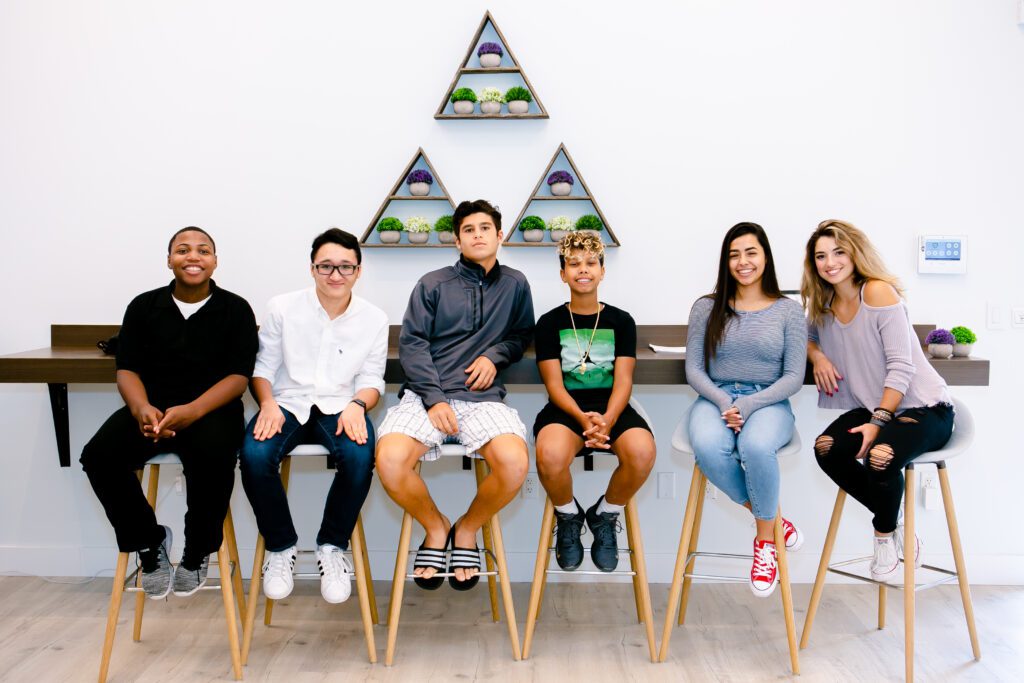
For many families, one of the biggest benefits of private school education is simple: better preparation for what comes next.
Whether your child plans to attend a highly selective university, pursue collegiate athletics at one of many state schools, or explore a specialized career path, academic preparation matters. While every student is unique, education statistics consistently show that private school students tend to outperform their peers in key college-readiness measures.
According to recent College Board data, private school students earned an average SAT score of 1234 in 2026, compared to the national SAT average of 1024 for students attending a public school. Strong outcomes begin with strong academics.
At Xceed Preparatory Academy, students can choose from multiple pathways that help them build a rigorous transcript while pursuing their individual interests and goals.
These opportunities include:
- AP Courses that demonstrate readiness for college-level coursework
- Honors Courses that provide greater academic depth and challenge
- Dual Enrollment Courses that allow students to earn college credit while still in high school
- NCAA-Approved Courses that help student-athletes maintain eligibility while preparing for college competition
This curriculum stack allows students to customize their educational experience without sacrificing academic rigor. Xceed is fully accredited by Cognia, one of the most respected accrediting organizations in education.
Xceed graduates have earned acceptances to respected institutions across the country, including:
- Columbia University
- University of Miami
- Pepperdine University
- Purdue University
- Loyola Marymount University
- Howard University
These acceptances reflect more than strong academics. They reflect years of intentional planning, individualized support, and a school environment designed to help students discover and pursue ambitious goals.
How Private School Builds Character and Civic Engagement
Academic success is important, but it is only part of the picture.
One of the lasting benefits of private school education is the opportunity for students to develop leadership skills, personal responsibility, and a sense of purpose beyond the classroom. Colleges and employers increasingly look for students who can collaborate, communicate effectively, solve problems, and contribute to their communities. Those skills are developed through experience.
At Xceed, character development is not treated as a separate program. It is woven into daily school life through leadership opportunities, service projects, mentorship, and community involvement.
We provide those opportunities in meaningful, student-led ways. Our Rotary Interact clubs, food-bank partnerships, and community initiatives help students see the value of contributing. These aren’t just extracurriculars. They’re experiences that build character, empathy, and purpose.
The results speak for themselves.
A 2024 meta-analysis published in Educational Research and Evaluation found that private schooling increases civic outcomes by 0.055 standard deviations, particularly in political tolerance and community involvement. These findings reflect what we already know: that when students are encouraged to lead, serve, and collaborate, they become more confident and more socially aware.
Mentorship Matters
Character development rarely happens in isolation.
One of the advantages of private education is the ability for students to build meaningful relationships with our private school teachers, counselors, and administrators.
These adults often serve as mentors who challenge students to grow academically while helping them navigate personal challenges, leadership opportunities, and future goals.
When students feel known and supported, they are often more willing to step outside their comfort zones and take on new responsibilities.
Why Smaller Class Sizes and Personalized Attention Drive Outcomes
One of the most frequently cited benefits of private school education is also one of the simplest: students receive more individual attention.
Parents often know instinctively why that matters. When students are seen, supported, and challenged appropriately, they are more likely to stay engaged, ask questions, build confidence, and take ownership of their learning.
Every Student Has a Personalized Path
No two students learn exactly the same way.
That is why Xceed uses a personalized schedule planning process rather than forcing every student into a one-size-fits-all academic experience.
At Xceed, personalized attention is not an occasional benefit. It is the foundation of the educational model. We deliberately keep our class sizes small, with the average class size being between 10 and 15 students.
Certified Teachers Who Know Their Students
Personalized attention works best when students have access to qualified educators.
Every Xceed instructor is certified or eligible for certification through the Florida Department of Education. We prioritize hiring educators with strong academic backgrounds, subject-area expertise, and a commitment to personalized instruction.
Supporting Executive Functioning Skills
Success in middle school, high school, college, and careers requires more than subject knowledge.
Students also need executive functioning skills such as:
- Time management
- Organization
- Prioritization
- Goal setting
- Self-advocacy
Because students receive individualized guidance and frequent feedback, they have opportunities to strengthen these skills throughout the school year. These habits often become just as valuable as the academic content itself.
How Private School Protects Emotional Well-Being and Safety
Students learn best when they feel safe.
While academic rigor is important, emotional well-being is equally essential to long-term success. Students who feel respected, supported, and connected are better positioned to learn and build relationships.
For many families, creating that environment is one of the most important benefits of attending a private institution.
A Community Where Students Are Known
Large schools often face the challenge of ensuring every student feels seen.
At Xceed, our intentionally smaller learning environment allows teachers, counselors, and school leaders to build meaningful relationships with students and families.
Because communication happens regularly between school and home, concerns can often be identified and addressed before they grow into larger problems.
Students know where to turn when they need support, and families know they have direct access to the people working with their child every day.
Social-Emotional Learning Encouraged Through the Day
Academic achievement and emotional well-being are closely connected.
That is why social-emotional learning plays an important role in helping students develop self-awareness, emotional regulation, communication skills, resilience, and healthy decision-making habits.
These skills support success not only in school, but also in relationships, later careers, and everyday life.
Support for Different Learning Needs
Every student deserves an environment where they can thrive.
Xceed works with students from a variety of educational backgrounds and learning profiles, including those who may benefit from ESE support, additional academic accommodations, or individualized learning strategies.
By understanding each student’s needs and strengths, we can create a more supportive educational experience that promotes both academic growth and emotional confidence.
Supporting International Students
Starting school in a new country can be exciting and challenging.
Through our international student program and I-20 support services, Xceed helps students and families navigate the transition process while building connections within the school community.
This additional support helps international students feel welcomed, supported, and prepared for success.
When Students Feel Safe, They Thrive
Many families come to Xceed after experiencing challenges in larger educational settings.
When students feel secure, connected, and valued, they are free to focus on what matters most: growing into their best selves.
The Xceed Edge: Where Flexibility Meets Rigor
Many schools ask students to fit into a predetermined system.
Xceed was built around a different philosophy: the educational experience should adapt to the student.
That belief is one of the reasons families choose Xceed over traditional public schools, charter schools, independent schools, and other private institutions throughout South Florida.
That’s just part of how we’re revolutionizing education at Xceed Preparatory Academy.
Personalized Schedule Planning
Flexibility does not mean lowering expectations.
Every student’s schedule is developed through a collaborative planning process involving the student, family, Head of School, and college counselor.
Together, they create a personalized schedule that supports academic goals, college aspirations, extracurricular commitments, and personal interests.
The result is a learning experience that remains rigorous while providing greater flexibility than traditional school models.
Designed for Real Life
Many students today are balancing more than academics.
Some are competitive athletes. Others are performers, entrepreneurs, content creators, travelers, or students pursuing unique opportunities outside the classroom.
Our flexible structure allows students to pursue those goals without sacrificing academic quality or college readiness.
For families who need even greater flexibility, Xceed Prep Virtual School offers an accredited online learning option that maintains the same commitment to academic excellence and personalized support.
Innovation Beyond the Classroom
Learning becomes more meaningful when students can apply knowledge to real-world challenges.
That is why Xceed offers opportunities that extend beyond traditional coursework, including partnerships and enrichment experiences such as:
- NASA’s Lunar Growth Chamber Project
- Engineering for Kids programs
- Kidz in Shape wellness initiatives
- Student clubs and leadership opportunities
These experiences help students connect classroom learning to real-world problem solving.
Academic Rigor Families Can Trust
Flexibility only works when it is paired with high standards.
Xceed’s Cognia accreditation, certified teachers, AP courses, Honors courses, Dual Enrollment opportunities, NCAA-approved coursework, and monthly college counseling program ensure students remain academically challenged and prepared for future success.
Students receive the freedom to learn differently without sacrificing quality or accountability.
Making Private Education More Accessible
Families often assume that private education is financially out of reach.
At Xceed, we work to make private school education more attainable through a variety of options, including need-based financial aid, sibling discounts, military-family discounts, and state-funded scholarship programs.
We accept Florida scholarship programs including:
- Family Empowerment Scholarship for Educational Options (FES-EO)
- Family Empowerment Scholarship for Students with Unique Abilities (FES-UA)
- Florida Tax Credit Scholarship
- HOPE Scholarship
Families researching the former McKay Scholarship should note that the program transitioned into the Family Empowerment Scholarship for Students with Unique Abilities (FES-UA).
Take the First Step Toward Lifelong Success
If you’re exploring new paths for your child’s education, we invite you to experience our approach firsthand. A visit to our campus can show you how Xceed empowers middle school and high school students, builds confidence, and delivers the lasting value families are looking for.
During your tour, you’ll receive a full transcript review, a preview of our personalized learning plans, and the opportunity to sit in on clubs or extracurricular activities. It’s a chance to get a feel for our culture, our team, and the students who bring our classrooms to life.
We’re here to support your next step – whether that’s scheduling a visit, starting an application, or simply asking questions. Your child’s future is worth it, and we’re ready to help shape it with you.
Schedule a tour of our campus today.
As you help your child plan for life after graduation, you may wonder: does high school prepare you for college?

College takes more than strong grades and academic knowledge. Your student also needs skills that help them handle greater freedom and responsibility. They need to read challenging material, work well with others, speak up when they need help, and manage several priorities at once. Building these skills during high school can make the move to college feel much more manageable and help your student start with greater confidence.
Many students first notice gaps in their preparation during college. They may have completed high school with good grades but still struggle. Managing time, handling harder classes, and asking for help can feel new. High school often provides more daily support than college does. Giving your student more chances to work independently can help them build useful habits before they face the greater freedom and responsibility that come with college.
This gap shows why strong college preparation matters during high school. Students need more than classes that help them earn a diploma. They also need experiences that prepare them for what college actually requires. Even strong students can feel overwhelmed without enough practice. Xceed Preparatory Academy helps students prepare through a flexible, student-centered approach that supports academic growth, greater independence, and the skills students can use throughout college.
According to the National Center for Education Statistics, only 37% of high school seniors are proficient in reading and 25% in math. These numbers show that many students finish high school without strong skills in key academic areas. Private schools can take different approaches to college preparation based on their classes, counseling, and academic structure. Many focus on helping students grow both academically and personally before college begins.
Looking closely at high school preparation can help you make better choices. The goal should go beyond simply helping your child get into college. Strong preparation can help your student arrive ready to handle new challenges, make smart choices, manage their responsibilities, and grow more independent. The right high school experience can give your child valuable practice with these skills before college starts and the expectations become much greater.
What Academic Success Looks Like in a Private School
Grades, test scores, and advanced classes are common signs of academic success. You may also notice progress in ways that are harder to measure. Your child may become more organized, independent, or confident when schoolwork gets difficult. These changes matter because college requires students to manage much more on their own. Watching how your child handles responsibility can tell you a lot about their readiness for life after high school.
Success will look different for every student. Your child may be ready for harder classes and greater academic challenges. Another student may need more practice managing assignments without daily reminders. Some students need help building planning and organization skills. A flexible schedule can also help students stay focused while managing responsibilities outside school. The right approach gives your child room to grow while building habits that can support college success.
Private school enrollment alone does not promise stronger academic results. The quality of teaching and the expectations of the school both matter. Your child’s effort, family support, and access to help also play important roles. Every student has different strengths, goals, and challenges. A school that works well for one child may not fit another. Looking beyond the school label helps you focus on what your student truly needs to succeed.
It also helps to put public and private school comparisons into context. Your child’s academic background and family situation can affect school performance. A school’s admissions policies can influence its results as well. These differences make simple comparisons difficult. Looking at the full picture gives you a better way to understand school outcomes and decide which learning environment may provide the right academic challenge and support for your child’s needs.
Higher test scores or graduation rates at private schools do not prove that school type caused those results. Many factors can shape how students perform over time. Looking beyond averages can help you understand what a school actually offers your child. Consider the teaching approach, academic expectations, available support, and opportunities for independence. These details can provide a more useful picture than school-wide numbers alone when you are comparing your options.
Keeping these factors in mind can make your school search more useful. Look at how teachers challenge students and what happens when someone needs help. Consider how much responsibility students have for their own work. Your child should have opportunities to become more independent while still receiving useful guidance. A strong school environment helps students build confidence, manage challenges, and develop habits they can carry with them into college.
Rigorous Academic Curriculum and Advanced Coursework
One strong sign of college readiness is experience with challenging academic work. At Xceed Preparatory Academy, students can access Advanced Placement (AP) courses, dual enrollment opportunities, and honors classes. These options introduce students to higher academic expectations before college. Challenging courses can also help your child strengthen study habits and persistence. Those skills become especially important in college, where students often have greater responsibility for managing their own learning.
Advanced coursework gives students more practice with critical thinking, time management, and higher academic expectations. Your child can learn how to handle challenging assignments, prepare for difficult tests, and manage a heavier workload. This experience can build academic confidence and stronger study habits. It also gives students a better idea of what college classes may require. College expectations can feel more familiar when students have already practiced handling demanding work.
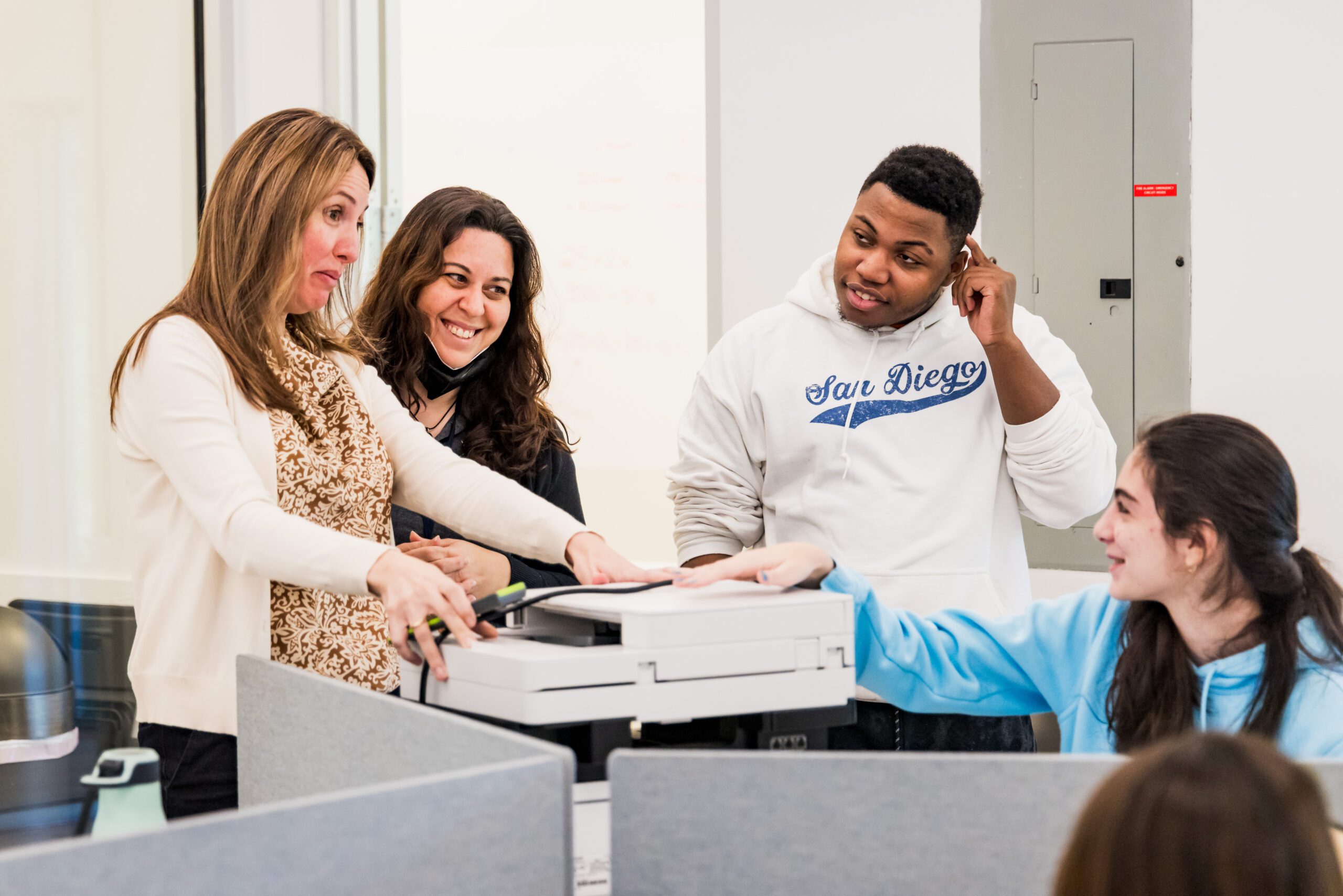
At Xceed, personalized schedule planning helps your student choose courses that support their interests, outside activities, and future goals. Students may take AP, honors, or dual enrollment courses when those options fit their needs and readiness. This approach helps students build a schedule around meaningful academic goals. Your child can prepare for college-level work while still making room for the other responsibilities and activities that matter in their life.
That flexibility also gives your student more responsibility for managing schoolwork and making academic choices. Students can practice planning their time, keeping track of assignments, and developing stronger study habits. They also gain experience making thoughtful decisions about their academic path. These everyday responsibilities can prepare your child for college, where professors expect students to manage their schedules, complete work independently, and take greater ownership of their education.
Comprehensive College Counseling and Personalized Guidance
Many public high school counselors manage very large groups of students. Average caseloads can reach 424 students for each counselor. With so many students needing support, counselors may have limited time for personal college planning. Your child may need help choosing schools, understanding requirements, meeting deadlines, and making important decisions. More individual guidance can give students additional support while they work through this important stage of their education.
Students may receive limited help with college applications when counselors have little available time. That can make it easier to miss deadlines, overlook scholarships, or make choices without enough information. Applying to college involves many steps, and students can feel overwhelmed while managing them alongside regular schoolwork. Consistent guidance can make the process easier to understand and help your child stay organized while making thoughtful choices about their future.
Xceed includes college counseling as part of the high school experience. Students can begin planning before application season starts. Early guidance gives your child more time to think about goals, interests, and possible college choices. Students can receive help with college research, course planning, applications, and other parts of the admissions process. Regular support can make college planning feel more manageable while helping students stay involved in their own decisions.
Early, individualized guidance can help students find suitable colleges, strengthen applications, and reduce stress during the application process. At Xceed, college planning continues as your student’s interests and goals develop. Students take an active role in thinking about their future and making academic choices. This ongoing process helps your child connect current school decisions with personal interests, college plans, and the long-term goals they want to pursue.
This support can also help your family consider financial aid, career interests, and other important parts of college planning. The college process can feel confusing when families face many choices at once. Helpful guidance makes those choices easier to understand. Your student can learn how to compare options, ask useful questions, and make informed decisions. These skills can build confidence while helping your child take greater ownership of their academic future.
The Role of Family Involvement in Academic Success
You often notice changes in your child before anyone else does. Staying involved can help you spot changes in motivation, school performance, or academic needs. Your support still leaves room for your student to take more responsibility. That balance becomes important as college gets closer. Staying connected without managing every task can help your child practice making decisions, solving problems, and taking greater ownership of their schoolwork.
At Xceed Preparatory Academy, these conversations are part of personalized schedule planning. Your student’s interests, activities, academic needs, and future goals can help guide course choices and scheduling. Priorities can change, and choices for future terms can be reviewed while current courses remain in place. Communication between your family, student, and school can also help identify times when organization guidance or added academic support may help your child keep moving forward.
Development of Essential Soft Skills and Independence
College readiness goes beyond grades and test scores. Your student also needs strong communication, leadership, and time management skills. These abilities can shape how well your child handles college life. The first year can bring new schedules, responsibilities, people, and expectations. Students who practice managing these areas during high school can enter college with useful experience and greater confidence in their ability to handle everyday challenges independently.
Without strong people and organization skills, students may feel overwhelmed by college’s greater freedom and responsibility. Your child may need to manage assignments, communicate with professors, solve problems, and balance several priorities without constant reminders. High school gives students valuable time to practice these skills. Building them gradually can help your student become more comfortable making decisions and taking responsibility before they enter a setting that expects much more independence.
According to the Princeton Day School, hands-on learning can help students build these abilities through real-world problem solving. Project-based learning gives your child opportunities to work with others, solve problems, and present ideas. These experiences strengthen academic skills while building confidence with public speaking, teamwork, and project ownership. Your student gets practical experience taking responsibility for work and contributing to a group working toward a shared goal.
Xceed’s flexible schedule and smaller learning environment give students regular opportunities to manage their time and communicate with teachers. Your child can take greater responsibility for assignments and daily schoolwork. These experiences help students practice independence while support remains available. They also encourage students to speak up when they need guidance. Those habits can become valuable in college, where students are often expected to ask questions and seek help themselves.
Extracurricular activities can add another valuable part of this growth. Debate, robotics, theater, athletics, and volunteer work can help students explore interests while developing useful life skills. Your child can practice leadership, teamwork, empathy, and confidence outside regular classes. Staying involved also gives students experience managing school alongside other responsibilities. Consistent participation can show college admissions teams that a student contributes to their community while maintaining academic responsibilities.

Higher College Enrollment and Graduation Rates
Private schools often report higher college enrollment and graduation rates than public schools. According to the Council for American Private Education (CAPE), 88% of private high school graduates apply to college, compared with 57% of public school graduates. These numbers provide useful context when considering college preparation. They also show why families may want to look closely at how a school supports students before graduation and during college planning.
Xceed prepares students for college through challenging coursework, flexible scheduling, and college planning support. Your student can set meaningful college goals while receiving guidance throughout the process. Ongoing academic support can help students stay focused on course requirements, applications, and plans after graduation. This approach gives your child opportunities to make decisions and manage responsibilities while still having access to guidance during an important period of academic and personal growth.
A National Student Clearinghouse report also found that private school students are more likely to complete their college programs within four years. Early and consistent preparation can help students enter college with useful academic habits and experience. Dual enrollment can also allow students to earn college credit while still in high school. That opportunity may shorten the path toward a degree and help families reduce some college costs.
Xceed combines academic guidance, college-prep coursework, and flexible scheduling to help your child prepare for higher education. Students get practice managing their work, making academic choices, and taking greater responsibility before college begins. These skills can make the transition feel less unfamiliar. Your student enters the next stage with experience handling responsibilities that college students face every day, while building confidence through choices and challenges during high school.
Finding the Right Private School for Your Student
A school can look impressive on paper without being right for your child. Classes and reputation matter, but they are only part of the decision. Look at how the school teaches, how its schedule works, and what support students receive. Think about your child’s goals, interests, and preferred way of learning. The right fit should give your student opportunities to grow academically while developing greater confidence and independence.
When exploring the benefits of private school, look closely at the academic options students can actually use. Consider how the schedule works and what support is available when students need extra guidance. Ask about activities, help for learning differences, and college planning. These details can help you understand the daily student experience and decide whether a school offers the flexibility, challenge, and support your child needs.
Public and private schools can both provide strong educational experiences. Your family’s decision comes down to how well a specific school fits your child’s priorities and learning needs. Scheduling may matter greatly for athletes, performers, working students, interns, and families who travel often. A traditional school day may leave little room for these commitments. A more flexible approach can help students continue pursuing important interests while completing their academic work.
Xceed uses personalized schedule planning, self-paced learning, and blended learning to provide that flexibility. Based on their goals and readiness, students may also have access to ESE/SPED support, honors classes, Advanced Placement courses, dual enrollment, and early graduation. These options give your child different ways to build an academic path that supports future plans while leaving room for responsibilities, activities, and interests outside the classroom.
The Private School Advantage in College Preparation
Your child’s high school years can shape how prepared they feel for college. Private schools like Xceed connect academic coursework, college guidance, and skill development with the demands students may face after graduation. Your student gets opportunities to take challenging classes, make academic decisions, manage responsibilities, and plan for the future. Together, these experiences can help your child build the knowledge, habits, and confidence needed for the transition to college.
These strategies work together to support your student’s academic and personal growth:
Choosing the right high school is an important decision for your family. You want an environment that prepares your child for college while supporting their goals and interests today. Learn more about how Xceed supports different types of students through honors, dual enrollment, and AP courses. You can also schedule a private tour to see how a personalized approach can help your student prepare for what comes next.

Private schools are gaining popularity because they offer families a more personalized, flexible, and supportive educational experience. Compared to public or state schools, private institutions often have more freedom to design innovative curricula and offer resources that go beyond standardized models. This flexibility allows private schools to focus on each student’s strengths, passions and learning pace.
Some private schools, like Xceed Preparatory Academy, take a highly custom approach by providing each student with a personalized learning plan tailored to their coursework, extracurricular goals and learning pace. This ensures steady academic progress without unnecessary pressure. Here’s a look at what you can expect from a private school education:
- Academic Excellence and Rigorous Curriculum
Private schools uphold high academic standards by operating independently of state-mandated curricula. This autonomy allows for a more innovative and personalized approach to education.
What Private Schools Do Differently
- Offer advanced, challenging coursework
- Emphasize critical thinking, creativity and problem-solving
- Hire expert educators with deep subject specialization
- Maintain small class sizes for personalized support
As a Result, Private School Students
- Score higher on standardized tests
- Enroll in more advanced-level courses
- Feel more prepared for college and future careers
Many private schools give students the chance to take Advanced Placement (AP), International Baccalaureate (IB) and dual enrollment courses—providing a head start on college.
- Dual enrollment allows students to take actual college courses while in high school, earning both high school and college credit simultaneously.
- AP classes, developed by the College Board, offer rigorous academics and the opportunity to earn college credit based on exam performance.
Dual Enrollment and AP Courses
- Reduce college tuition through early credits
- Build confidence through real college-level experiences
- Let students explore career paths in fields like business, STEM or healthcare
2. Smaller Class Sizes and Individualized Attention
Private schools are known for maintaining smaller class sizes, and this remains one of the top reasons families choose them. With fewer students per class, teachers can offer more personalized instruction, manage classrooms more effectively and build stronger relationships with each learner.
Small Class Sizes Allow Schools To:
- Limit total enrollment per campus for a more personalized environment
- Ensure teachers know each student by name and build stronger relationships
- Recognize each student’s unique learning style, strengths, and areas for growth
- Provide quicker academic and emotional support when challenges arise
This Leads To:
- Deeper engagement with the material and fewer classroom disruptions
- Tailored instruction that meets students where they are
- Stronger academic performance and more confident, independent learners
- Increased student participation and better social-emotional outcomes
When students feel seen and supported, they stay more motivated and focused – a key contributor to better academic and personal outcomes.
- Enhanced Extracurricular Opportunities
Extracurricular activities at private schools often stand out compared to public schools due to their flexibility, inclusivity and alignment with student interests. Here’s why they’re often considered better:
Flexible, Personalized Scheduling: Private School That Works Around Your Student’s Life
Private schools typically have more freedom in how they structure programs. They’re not bound by district-wide mandates or rigid schedules, so clubs and activities can be:
- Student-driven and created around niche interests (e.g., drone racing, podcasting, or social entrepreneurship)
- Integrated into the school day, rather than competing with academics or requiring late-day participation
- Adapted quickly based on student input or emerging trends
Traditional school schedules were built for a different time. They assume every student follows the same routine, moves at the same pace, and fits neatly into a fixed calendar. That model does not reflect how students live today.
Many students are balancing academics with athletics, performance training, travel, or even part-time work. For some, this looks like daily practice schedules. For others, it means competing at a national level or managing creative pursuits outside the classroom. A rigid system can make it difficult to keep up, no matter how capable the student may be.
Private schools approach scheduling differently. At Xceed, personalized schedule planning is not a one-time decision. It is a collaborative process that involves students, families, and school leadership. Together, they build a schedule that supports academic goals while making room for everything else the student is pursuing.
This curriculum flexibility strengthens academic expectations. When students have a schedule that fits their life, they are more focused, more consistent, and more engaged. A private school teacher can adjust pacing, recommend course changes, and provide support based on real-time performance rather than a preset timeline.
Schedules also evolve. As students grow, their needs shift. Course loads can be adjusted, start times can change, and new opportunities can be introduced. This level of adaptability is difficult to achieve in larger systems as class size and structure can limit flexibility.
Whether a student is training like an athlete, building a portfolio, or exploring early career interests, a personalized schedule allows them to move forward without falling behind. It is one of the clearest examples of how private education adapts to the student, rather than expecting the student to adapt to the system.
Inclusive Participation
- Private schools encourage all students to try new things, regardless of experience
- Clubs and teams are often open enrollment, with little to no pressure or tryouts
- This inclusivity builds confidence, encourages risk-taking and expands skillsets
Strong Mentorship and Resources
- Lower student-to-teacher ratios
- More direct access to faculty advisors
- Funding for quality materials and experiences
Character and College Readiness
- Whole-child approach, contributing to social-emotional growth and identity development
- More opportunities to take on leadership roles, which strengthens college applications
- Greater depth of involvement, not just participation—private school settings are built to nurture that
At Xceed, star athletes, young artists, dancers and gifted students pursuing passion projects, don’t have to choose between academic success and following their dreams. Parents who want to support their child’s ambitions appreciate that Xceed’s flexible model. Personalized learning plans are developed in partnership with families and tailored to align with each student’s goals, routines, and training demands – making it easier for students to thrive both in and out of the classroom. In short, extracurriculars at private schools are not just add-ons – they’re woven into the school’s culture and mission, designed to help students grow into well-rounded, confident and capable individuals.
- Whole-Child Approach: Social Emotional Learning
Supporting students’ real-life interests and aspirations fosters a sense of belonging – grounded in their individual strengths and abilities – which is essential for mental health and resilience.
Social-emotional well-being is a major reason families choose private schools, especially during the vulnerable middle and high school years. Strong behavioral expectations, close-knit communities and personalized support systems help create a positive school climate where students feel seen, safe and supported.
Middle School (Grades 6–8):
- Nurturing Confidence: A developmental stage marked by emotional and academic change is met with encouragement and personalized attention.
- Early Support: Learning challenges are addressed early, preventing long-term struggles.
- Low-Pressure Exploration: Students can explore interests like STEM or the arts in supportive, flexible environments.
High School (Grades 9–12):
- College & Career Readiness: With AP, dual enrollment and flexible pathways, students are prepared academically and emotionally for post-secondary life.
- Life-Balanced Schedules: Adaptive models support athletes, entrepreneurs, artists, and more.
- Real-World Skill Building: Clubs, internships, and mentorships help students develop maturity and leadership.
How Private Schools Reduce Bullying
Roughly 1 in 5 public school students report being bullied, according to the National Center for Educational Statistics. While bullying can happen anywhere, private schools often offer structures that help reduce it:
- Selective enrollment and clear standards set the tone.
- Stricter behavioral expectations can lower bullying rates.
- More adult oversight enables faster intervention in smaller class sizes.
- Proactive parent involvement reinforces positive behavior.
Together, these advantages contribute to a safer, more supportive environment where students thrive both emotionally and academically.
- Safety and Security Provides Parents and Students Peace of Mind
In today’s climate, safety is one of the top reasons families choose private schools over public ones. Many parents seek a more secure, structured environment where their child can learn without fear or distraction.
Private schools are uniquely positioned to offer proactive safety measures, including:
- Controlled access and secure entry systems
- Smaller campus sizes, making supervision easier
- Greater flexibility in enforcing behavior standards
- More mental health resources to support student well-being
- Higher staff-to-student ratios for quicker intervention
Schools like Xceed Preparatory Academy combine respectful culture, campus oversight and personalized mental health support to create a setting where students feel safe and seen – every day.
- Parental Partnership Shapes Schoolwork
In private schools, parental involvement is not an afterthought – it’s embedded in the school culture. This leads to a more responsive, personalized and supportive educational experience for every student. It fosters trust, accountability and a strong sense of partnership that ultimately benefits the entire school community.
Benefits For Students
- Greater Academic Success: Students with involved parents tend to earn higher grades, have better attendance, and are more likely to pursue higher education.
- Stronger Emotional Support: Ongoing collaboration between home and school strengthens a child’s sense of security, belonging, and motivation.
- Improved Behavior and Mental Health: Schools with active family partnerships report fewer disciplinary issues and a more supportive emotional climate.
Benefits For Parents
- Deeper Understanding: Parents stay informed about academic expectations, learning styles, and personal growth, leading to more effective support at home.
- Empowered Decision-Making: Families can advocate for their child’s needs and play a role in shaping their educational journey.
- Stronger Community Bonds: Involved parents often develop meaningful relationships with staff and other families, creating a close-knit community and sense of belonging.
- College Preparation and Success
By combining early planning, individualized support and strong parent-school communication, private schools help students navigate the college admissions process with confidence and clarity, making it easier for them to get into their top school choice.
Dedicated College Counselors
- Many private schools have full-time college counselors with small caseloads (often 1 counselor per 30–50 students compared to 1 per 400+ in public schools).
- Counselors begin working with students as early as 9th grade, helping them set goals, select the right courses and build competitive applications.
Course Planning for Competitive Admissions
- Access to rigorous academics: AP, IB and dual enrollment options are more common.
- Students are guided to take the right mix of challenging classes that align with college goals.
Test Prep and Application Support
- Private schooling often offers SAT/ACT prep, essay coaching and interview practice.
- Application assistance is more hands-on and proactive, with counselors helping students manage deadlines and strategy.
Personalized Letters of Recommendation
- Teachers and counselors know students well and write meaningful, detailed recommendations, which carry more weight with admissions officers.
College Fairs and Visits
- Private schools often host on-campus visits from college representatives or arrange field trips to tour universities.
Supporting Students with Learning Differences: Private School’s Most Overlooked Strength
There is a common misconception that private education is designed only for high-achieving, independent learners. In reality, many private schools are built to support a much wider range of students.
Recent education statistics show that 87% of private schools in the United States serve students with some form of special need. This includes learners who benefit from academic accommodations, executive functioning support, or more structured guidance throughout the day.
One of the key reasons private schools can offer this level of support is class size. In a smaller class size, teachers have the time and flexibility to adjust instruction, provide feedback, and respond to individual needs as they arise. This is not a separate track or a modified program. It is integrated into the daily classroom experience.
At Xceed, students with learning differences have access to both ESE and SPED services, along with executive functioning coaching. This support focuses on skills like organization, time management, and self-regulation. These are critical for long-term success and often overlooked in traditional models.
The structure of a small class size also allows for more direct communication between teachers and families. Adjustments can be made quickly, and progress can be monitored in a way that feels personal rather than administrative.
This approach is not limited to day schools. Many boarding school environments are also shifting toward smaller, more supportive classroom settings for the same reasons. When students are known as individuals, it becomes easier to meet them where they are and help them move forward.
For families exploring options, this is an important distinction. A smaller class size is not just about academic performance. It creates space for students to build skills and stay engaged in their education, even when they need additional support.
Financial Aid and Accessibility
A private education is a significant investment in your child’s future – one that often leads to brighter outcomes, stronger academic foundations and higher acceptance rates into top-tier colleges. According to the National Association of Independent Schools, 85% of private school graduates enroll in college right after high school , compared to 69% of public school students.
While there’s no doubt that private school tuition can be a financial commitment, many families are surprised to learn how accessible it can be. Through financial aid, state scholarships and flexible payment options, private schools are becoming more inclusive – opening the door to students from a wide range of socioeconomic backgrounds.
How Families Afford Private School
1. State-Sponsored Scholarship Programs (Florida Examples):
Programs like Step Up for Students offer scholarships based on income, disability, reading proficiency or safety concerns:
- Florida Tax Credit Scholarship (FTC)
- Family Empowerment Scholarship (FES-EO & FES-UA)
- Hope Scholarship (for students impacted by bullying)
- PEP Scholarship (for hybrid/homeschool models)
Some families also benefit from Education Savings Accounts (ESAs) that can be used toward tuition, tutoring, therapy or curriculum expenses.
2. Private School Financial Aid:
Most accredited private schools provide need-based aid, including:
- Tuition discounts based on income
- Sliding scale tuition models
- Scholarships for academic achievement, leadership, or extracurricular talent
3. Flexible Payment Options:
To reduce upfront cost burdens, many schools offer:
- Monthly or quarterly installment plans
- Deferred or income-based payment options
- Lower deposits for qualifying families
Explore how a personalized, flexible learning environment can unlock your child’s full potential. From academic excellence and emotional support to college prep and real-world readiness, private school opens doors to opportunity. See how your child’s bright future is within reach – schedule a visit or speak with an admissions advisor today to explore tuition payment options.
Choosing the right school can shape your child’s entire education, especially as college gets closer. For South Florida families, the school environment can make a big difference in college preparation. Academic choices, scheduling, and support all matter. But the decision goes beyond academics. You want a school that gives your child the focus, flexibility, and support they need to grow, build confidence, and prepare for their future.
Private schools often keep long-term student goals at the center of learning. Some private schools focus heavily on college preparation through advanced classes, smaller learning settings, and strong academic guidance. Public schools can vary greatly in class size, course choices, and counselor support. Private schools can vary too. Understanding these differences can help you find an environment that matches your child’s needs, goals, learning style, and plans after graduation.
At Xceed Preparatory Academy, college preparation is part of the student experience from the start. Students receive support with schedule planning, academics, and college and career readiness. As you compare schools, look closely at how each option prepares your child for life after graduation. The right environment should help your child build useful skills, explore future goals, and feel prepared to take their next step with confidence.
Prep School vs Private School: Understanding the Difference
When comparing prep school vs private school options, knowing the difference makes your search easier. A prep school is generally a type of private school focused strongly on college preparation. Private schools can follow many different education models. Prep schools usually place greater focus on strong academics and advanced coursework that can help students prepare for the demands and expectations they may face in college.
A prep school may appeal to your family when college preparation is a major priority. Still, the school’s name only tells you so much. Look closely at the curriculum, academic expectations, and student support. Consider how each school fits your child’s goals, strengths, and learning needs. You can also ask when college planning starts and whether students can take AP, honors, or dual-enrollment courses during high school.
College Enrollment and Acceptance Rates
College outcomes can give families useful information when comparing different school settings. Data from the National Center for Education Statistics (NCES) shows that private school graduates have a 64.5% immediate college enrollment rate, compared with 44% for public school students. That difference stands out. Still, school type is only one of many factors that can shape whether a student enrolls in college after graduation.
Acceptance rates at top universities tell a more detailed story. Research from Solomon Admissions Consulting found that public school students had a 62.5% acceptance rate at top 30 universities, compared with 60% for private school students. These numbers are close. They show that strong applicants come from both settings. Your child’s academic record, experiences, goals, and overall application also play important roles during college admissions.
Support is another important factor to consider as you compare schools. Private education often gives students access to focused academic guidance, test preparation, and early college planning. Many public schools serve much larger student populations with limited staff and funding. These differences can shape the support students receive throughout high school. They can also affect how prepared and confident your child feels while completing applications and making important college decisions.
Academic Rigor and Curriculum Offerings
A strong academic program is one major reason families consider private education. Private schools may offer advanced courses, honors classes, dual enrollment, and other learning options beyond the standard curriculum. Available programs depend on the school. These added choices can help your child find the right level of challenge, explore new interests, and build an academic path that supports their goals for college and the years that follow.
At Xceed, students can choose college-prep courses, AP classes, honors classes, and dual-enrollment options based on their goals and readiness. This approach gives students more ways to shape their education around their needs. Public schools may offer many strong options too, but course choices can sometimes be limited by district policies, budgets, staffing, or enrollment. Having more flexibility can help students build schedules that better support their academic goals.
Smaller classes can also make a meaningful difference in your child’s school experience. Data from the NCES shows that private schools average 12.5 students per teacher, compared with higher numbers in public education. A smaller learning environment can give students more opportunities to speak up, ask questions, and connect with teachers. It can also help teachers understand each student’s progress, strengths, and areas needing more attention.
With fewer students in each classroom, teachers may have more opportunities to adjust lessons, answer questions, and provide useful feedback. Your child can receive more direct attention during challenging lessons instead of getting lost in a crowded classroom. That added interaction can help students understand difficult ideas, address learning gaps, and stay involved in their coursework. It can also make it easier for teachers to recognize progress and provide support along the way.
Larger classes can make this type of individual attention harder to provide. Teachers may have less time to give each student detailed feedback or added support. Academic expectations can also vary from one school or classroom to another. A consistent and challenging program gives your child a clearer path forward. Strong academic preparation can help students build the knowledge, study habits, and confidence they will need when they reach college.
College Counseling and Support Services
College counseling can make the admissions process easier for students and families to understand. According to research from the Education Resources Information Center (ERIC), counselors at private schools often manage smaller groups of students. Smaller caseloads can create more time for ongoing, personal guidance. Your child may have more opportunities to discuss college goals, review options, ask questions, and get help making important decisions throughout the college planning process.
At Xceed, college planning starts early and continues as students move toward graduation. Counselors help students connect their coursework with goals after high school. They can also support essay writing, application timelines, scholarship research, and financial aid planning. Because students receive personal attention, guidance can reflect their individual goals and interests. Your child gets support that helps make a complicated college process feel more organized, focused, and easier to manage.
Public school counselors often work just as hard to support their students. However, ERIC notes that teachers and counselors in public schools may serve hundreds of students at once. Large caseloads can limit the time available for individual meetings. This can matter during busy application periods, when your child may need help with deadlines, essays, applications, financial aid questions, and other important parts of college planning.
Standardized Test Performance
SAT and ACT rules vary among colleges, but test scores still matter at some schools. Some students may also choose to submit scores when colleges make testing optional. Research has found higher average standardized test scores among private school students. However, many factors beyond school type can shape those results. Access to preparation, academic support, family resources, coursework, and individual student effort can all influence how students perform on standardized tests.
According to U.S. News data, private school student bodies average higher composite scores on standardized tests. Several factors may help explain this difference. Students may have greater access to test preparation, challenging coursework, and smaller classes. More focused instruction can also give students time to ask questions, work through difficult subjects, and strengthen important skills before taking tests used during the college admissions process.
At Xceed, students can receive academic support based on their courses, performance, and college goals. Teachers can identify strengths and areas where students need more help. They can then adjust their support to meet those needs. More one-on-one attention can help your child strengthen important skills, understand challenging material, and feel better prepared for future academic demands. This focused support can also help students work toward the admissions goals they set.
Test preparation in public schools can differ greatly between schools and districts. Some students have access to strong programs and useful resources. Others may have fewer options available through their school. These differences can affect how prepared students feel when testing begins. Access to helpful tools, strong instruction, and personal guidance can give your child more ways to prepare, practice important skills, and approach standardized testing with greater confidence and direction.
Extracurricular Opportunities and College Applications
College preparation reaches beyond grades, classes, and test scores. Colleges also consider how students spend their time and take part in their communities. Extracurricular activities give your child opportunities to explore interests, develop leadership skills, and learn teamwork. They can also help students discover what matters to them. Meaningful activities add another part to a college application while helping students grow through experiences outside their regular academic coursework.
Private schools like ours can offer opportunities in leadership, athletics, arts, STEM, service learning, and other areas. Smaller student populations may also create more chances to lead clubs, start new projects, or take meaningful roles. These experiences can help your child build skills while exploring personal interests. They can also give students useful experiences to discuss in applications, essays, and interviews as they explain their interests, accomplishments, and goals to colleges.
At Xceed, the flexible school day gives students more room to pursue interests outside class. Your child can make time for athletics, creative activities, work, volunteering, and other important commitments. These experiences can support personal growth while adding depth to a college application. Students can build their education around more than classroom learning. This flexibility helps them develop skills, interests, and experiences that can continue serving them after high school.
Financial Considerations and Return on Investment
Private school tuition is a meaningful financial commitment for many families. The value of that investment goes beyond the price alone. Families may consider college preparation, scholarship opportunities, academic support, flexible schedules, course choices, and the overall learning environment. Your decision should reflect what matters most for your child. Looking at the full school experience can help you understand what your family receives in return for the cost of private education.
Public schools are tuition-free, making them an accessible choice for most families. Cost is only one part of the decision, though. You may also want to consider counselor access, academic challenge, class size, course options, and student satisfaction. Some students do especially well with more personal support and smaller learning settings. Families can compare these factors with tuition costs to decide which environment best supports their child’s needs and future plans.
At Xceed, students receive academic support, flexible scheduling, and access to advanced coursework that supports their college goals. A smaller and more flexible learning environment can help students stay focused while balancing school with other priorities. Your child has room to build an education around academic goals and personal commitments. This approach can make college preparation feel more manageable while helping students develop independence, responsibility, and confidence before graduation.
The Xceed Advantage in College Preparation
Xceed Preparatory Academy gives students a flexible approach to college-prep education. Personalized schedule planning helps students choose courses and organize their school day around academic goals, outside commitments, and future plans. Your child can build a schedule that supports both learning and life beyond school. This flexibility gives students more ownership of their time while helping them stay focused on coursework, college preparation, and the goals that matter most to them.
College planning grows alongside those academic choices. Students can receive guidance with course selection, college research, applications, and other parts of the planning process. Support can change as your child’s interests and goals become more defined. This ongoing approach helps students make thoughtful choices throughout high school instead of waiting until graduation gets close. Your child can build a stronger understanding of their options and prepare for each next step.
Flexible scheduling also gives students room to balance school with jobs, athletics, volunteering, and other commitments. Through Xceed’s First-of-Its-Kind Dual Enrollment Program, eligible students can earn University of Pittsburgh college credits while still attending high school. This opportunity gives students experience with college-level work while they continue progressing toward graduation and building a strong foundation for their education after high school.
Making the Right Choice for Your Child’s Future
Choosing between public and private schools means looking closely at what your child needs. Consider the support, learning environment, academic choices, and flexibility each school provides. Think about where your child can grow both academically and personally. The right school should support more than grades. It should give your child opportunities to develop confidence, explore interests, prepare for college, and build useful skills they can carry into life after graduation.
Think about the environment where your child learns best and feels supported. Smaller classes, personal instruction, early college guidance, and flexible schedules can make a meaningful difference. These features can give students more room to ask questions, pursue goals, and manage outside commitments. For families who value these benefits, the private education offered at Xceed provides an approach built around helping students prepare for college while developing greater independence and confidence.
Education continues to change as families look for learning options that better fit their children. At a time of broad change in education, Xceed offers an alternative that keeps students at the center. Flexible scheduling, college-prep coursework, and academic support give students room to follow different goals and commitments. Your child can receive an education designed to support both current needs and plans for the future.
Our campuses give students a place to stay engaged, grow academically, and prepare for what comes next. Your child can build skills and confidence that reach far beyond earning a diploma. We invite you to schedule a private tour and experience Xceed for yourself. You can explore our learning environment, learn about available programs, and see how our approach can support your child’s education, goals, and future.
Across the country, families are taking a closer look at what really matters in their child’s education. With every student learning in their own unique way, more parents are looking for schools that offer flexibility, support, and a more personalized approach. That’s where the private school shines – not just for prestige, but for its commitment to personalized, student-focused education.
One of the biggest advantages of private schools? Small class sizes. When students aren’t one of 30 faces in a crowded room, they get more attention, stronger relationships with teachers, and instruction that’s tailored just for them. These aren’t just nice-to-haves – they’re the building blocks of a learning experience that truly works for both private school students and their families.
When families hear the phrase “small class size,” it can mean different things depending on the school. In education research, however, the definition is much more precise. A class of 15 students or fewer to one teacher is widely recognized as the point where meaningful academic and behavioral gains begin to take hold.
This is not a recent discovery. The impact of smaller class size has been studied for decades, with consistent findings across multiple large-scale studies. One of the most influential – Project STAR– followed students from kindergarten through third grade and found that those in smaller classes significantly outperformed their peers with gains linked to an 11.5% increase in high school graduation rates.
Further research reinforces this pattern. A major analysis by Gene Glass and Mary Lee Smith reviewed dozens of studies and found a clear trend. As class size decreases, student achievement improves. The relationship is steady and reliable, not situational or anecdotal.
More recent findings from IZA World of Labor point to a similar range. Classes with 15 to 18 students show the strongest results, particularly in early education. This range allows teachers to balance structure with flexibility, giving students more opportunities to engage without losing instructional focus.
Teachers themselves echo these findings as 90% agree smaller class sizes increase student learning. In another study, 62% say class size directly impacts student academic performance – making this one of the most practitioner-validated findings in all of education research
At Xceed Preparatory Academy, small class sizes are part of our foundation. The benefits of smaller class sizes are not abstract here. They are part of the daily experience, influencing how students learn, interact, and grow. Each campus limits on-site attendance so that students and teachers can connect in meaningful ways. Lessons are built around each learner’s goals and pace, creating a school environment where students feel supported, challenged, and ready to thrive.
Personalized Attention Through Smaller Class Sizes
The power of individualized education becomes even more apparent when you consider the difference class size makes. In many public schools, the average class size climbs to 25 or more students – stretching teachers thin and limiting opportunities for personal attention. By contrast, most private schooling institutions maintain significantly smaller groups, often with fewer than 15 students per teacher.
That difference is more than just a number – it’s a shift in how learning happens. In smaller settings, teachers can adapt lessons in real time to suit each student’s needs, learning style, and pace. At Xceed, this adaptability is built into the experience through a personalized learning plan, which guide every student’s academic journey. These plans reflect not only academic goals but also each learner’s interests and long-term aspirations.
As the Head of School at Xceed’s Coral Springs campus shares, “Small class sizes let us really get to know every student. We see their growth daily.” That kind of connection is difficult to achieve in overcrowded classrooms. It enables teachers to make truly informed, compassionate decisions – resulting in more meaningful progress for every learner.
For students transitioning from middle school or larger traditional environments, this shift can be transformative. They move from passive observation to active engagement – gaining the trust and space they need to explore, ask questions, and take ownership of their education.
Smaller class sizes also change how success is recognized. In large classrooms, learning is often reduced to broad benchmarks. Xceed teachers have the time and insight to celebrate individual milestones – whether it’s mastering a tough concept or developing stronger study habits. These wins matter, and they build confidence.
Families benefit, too. With fewer students per teacher, communication becomes more regular and more detailed. Parents receive meaningful updates on academic progress, participation, behavior, and emotional well-being. This transparency – in turn– fosters a strong partnership that keeps families informed, involved, and empowered to support learning at home.
Enhanced Academic Performance and Outcomes
The link between small class sizes and academic achievement is well-documented. According to education statistics from Brookings, students in classes with fewer than 18 pupils tend to perform better on standardized tests and maintain higher GPAs. The focused instruction and individualized feedback these students receive translate into measurable academic gains.
This is especially true in an environment like Xceed’s. From the first month of enrollment, students can work closely with the college counseling team to align their academic strengths with long-term goals. The personalized guidance provided in a smaller setting means that students are better prepared to achieve success, both in high school and beyond.
In Boca Raton, several of our students have graduated ahead of schedule thanks to the flexibility and support made possible by small class sizes. When students aren’t held back by generic pacing or overlooked in crowded rooms, they can accelerate their learning and unlock new extracurricular opportunities.
Strengthened Teacher-Student Relationships
One of the most underrated benefits of small class sizes is the strength of the teacher-student relationship. In larger classrooms, the potential for meaningful interactions is often limited by time constraints and divided attention. In smaller settings, that dynamic shifts.
At Xceed, private school teachers take on the dual role of educators and academic advisors. They know each student personally – not just by name, but by strengths, learning preferences, and interests. These relationships aren’t just more authentic, they’re more productive.
As the Weston Head of School explains, “This isn’t a place where students are anonymous. That connection changes everything.” The trust and respect built through daily one-on-one interactions encourage students to be more open, engaged, and motivated in their studies.
These deeper connections also provide a vital sense of stability and support, promoting accountability and self-confidence that extend beyond the classroom.
Improved Classroom Management and Discipline
Another tangible benefit of smaller classes is more effective classroom management. In large classrooms, disruptive behavior can escalate quickly and become difficult to address. But in smaller groups, teachers can intervene early and consistently.
The American Association of School Administrators (AASA) notes that small class sizes are associated with fewer disruptions and a more focused learning environment. This is particularly valuable for students dealing with challenges like ADHD or anxiety, who often struggle in overstimulating or chaotic settings.
At our Kendall campus, the transition to smaller classes has resulted in a noticeable drop in behavioral issues. Teachers there often report spending more time teaching and less time managing distractions. The learning environment is generally calmer, more structured, and ultimately more conducive to success.
In a setting that values emotional regulation alongside academic performance, students feel empowered to participate without fear of judgment or ridicule.
Active Learning, Real Discussion, and Hands-On Participation
One of the most noticeable shifts in a smaller classroom is how students participate. In larger settings, discussion often centers around a few voices while others stay on the sidelines. In a smaller class size, that dynamic changes. Every student has a presence, and participation becomes part of the rhythm of the classroom.
This opens the door for more active learning as teachers can create space for discussion, debate, and collaboration. Students are asked to think, respond, and contribute in real time. That level of engagement builds stronger understanding and sharper communication skills.
Hands-on learning also becomes easier to manage. Group projects, interactive exercises, and problem-solving activities require time, attention, and flexibility. In a smaller class size, those elements are easier to support. Students can work closely with peers while still receiving guidance from their teacher.
These experiences matter because they mirror what students will encounter in college and beyond. Seminar-style discussions, collaborative work, and independent thinking are all part of higher education and professional environments. Students who are used to participating actively tend to adapt more quickly and perform more confidently.
At Xceed, our campus environment reflects this approach. Classrooms are designed to feel more like collaborative workspaces than traditional lecture halls. Students move through their day with a sense of ownership, engaging with material in ways that feel relevant and practical.
This kind of participation does not happen by chance. It is the result of thoughtful class size reduction, paired with an approach that values student voice and interaction. When students are expected to engage, they rise to that expectation.
Increased Opportunities for Participation and Engagement
This isn’t just about confidence – it’s about relevance. At Xceed, instruction is often discussion-led and designed to incorporate student interests. This approach makes learning more enjoyable while also reinforcing knowledge through active participation.
“You can see students light up when they realize their voice matters,” shared the Palm Beach Gardens Head of School. When learners feel heard and valued, they’re more likely to take ownership of their education and develop lifelong skills in communication and collaboration.
Participation is not limited to traditional classwork – it extends to project-based learning, community initiatives, and peer-led presentations that build critical thinking and leadership.
Enhanced Social and Emotional Development
Education is more than academics – it’s about shaping well-rounded individuals. Small class sizes foster emotional well-being by creating safe, supportive environments where students can build strong peer relationships and feel a sense of belonging.
Students in smaller groups are also more likely to form deep friendships and feel connected to their classmates. This emotional security directly influences learning outcomes and overall happiness.
We support this holistic development through regular student check-ins and a strong emphasis on mental health. Teachers and advisors create safe spaces where students can talk openly about challenges, building emotional resilience along the way.
At both Fort Lauderdale and Coral Springs campuses, we’ve seen students with past trauma or school-based anxiety experience a remarkable transformation. In smaller, safer spaces, these learners begin to trust again – and flourish.
Evaluating the Advantages of Private Schools
When considering private school advantages, small class sizes consistently stands out as transformative. They lay the groundwork for stronger academics, healthier classroom dynamics, and deeper teacher-student relationships. These benefits don’t just add up – they multiply, creating a more effective and enriching educational experience.
While the public school system serves many students admirably, its size and structure can limit personalization. Large classes make it harder to tailor instruction or support every learner’s unique needs. By contrast, our approach to private school education is intentionally designed to be flexible, student-centered, and forward-thinking – meeting students where they are and helping them grow into who they’re meant to be.
Families weighing their options should seek out learning environments that treat each student as an individual, not just a number. This is the norm in an independent school. With small class sizes, educators can connect meaningfully with every student, adapting instruction and support to match academic goals, learning styles, and personal growth.
The right school is more than a building or a test score – it’s a community that reflects your values and supports your child’s full potential. For many families, that means choosing a place where small classes provide not just personalized learning, but a foundation for confidence, resilience, and long-term success.
As you explore your options for private education, consider how well each setting supports different types of students – whether your child excels with independence, needs extra guidance, or thrives through hands-on learning. A school that understands and supports those differences is one worth trusting.
If you’re ready to take the next step, we invite you to schedule a private tour and see how Xceed Preparatory Academy helps students thrive – in classrooms built for connection, growth, and meaningful achievement.
Families across Florida are weighing more educational options than ever, each with its own philosophy, structure, and approach to student learning. Two of the most frequently compared paths – charter school vs. private school – offer distinct experiences shaped by differences in funding, flexibility, and support.
Rather than focusing on what sounds good in theory, many parents are asking a more practical question: What kind of environment will truly help my child thrive?
At Xceed Preparatory Academy, we’ve partnered with families navigating this very decision. We’ve seen how personalized learning and a supportive setting can change a student’s trajectory – and how understanding the details behind each school model can make that choice much clearer.
Private School vs Charter School — The 7 Core Differences
At first glance, private schools and charter schools may seem similar. Both operate outside the traditional public school model, often offer specialized educational approaches, and attract families looking for alternatives to their local school district.
However, the differences between a private school vs charter school are significant. The table below provides a high-level comparison before we examine each area in more detail.
| Category | Private School | Charter School |
|---|---|---|
| Funding | Tuition, donations, grants, endowments, and private funding sources | Publicly funded through state and local education dollars |
| Tuition | Families pay tuition unless scholarships or aid are available | Tuition-free |
| Admissions | May require applications, interviews, transcripts, or assessments | Open enrollment; lottery used when applications exceed available seats |
| Accountability | Accountable to governing boards, families, and accrediting organizations | Accountable to charter authorizers and performance contracts |
| Curriculum Flexibility | High degree of autonomy | Greater flexibility than a traditional public school, but still subject to state requirements |
| Religion & Values | May include religious instruction or mission-based educational philosophies | Must remain nonsectarian and cannot provide religious instruction |
| Teacher Certification or Credentials | Certification requirements vary by school | State certification is often required or strongly preferred for charter school teachers |
How Private and Charter Schools Compare on Academic Outcomes
When comparing a private school vs charter school, many families want to know which option produces stronger academic results. The answer depends largely on the individual school. Research from Stanford University’s 2023 National Charter School Study found that students attending charter schools gained the equivalent of 16 additional days of learning in reading and 6 additional days in math each year compared to similar students in a traditional public school setting. These gains were especially notable among many historically underserved student groups.
At the same time, national assessment data from the National Assessment of Educational Progress (NAEP) has often shown higher average academic performance among students attending private schools. However, researchers caution that factors such as family involvement, admissions practices, and student demographics can also influence these results.
Academic outcomes extend beyond test scores. Families should also consider college readiness, counselor access, advanced coursework, and postsecondary results. At Xceed Preparatory Academy, students receive individualized academic guidance and ongoing college counseling, helping graduates earn admission to universities including Columbia, the University of Miami, Pepperdine, Purdue, Loyola Marymount, and Howard University.
Ultimately, there are exceptional and underperforming schools in every model. Some charter schools significantly outperform nearby district schools, while some private schools offer highly personalized college-preparatory experiences. Rather than focusing solely on school type, families should evaluate the specific programs, support systems, and opportunities available at each school they are considering.
The Xceed Advantage: Personalized Private Education
At Xceed, we believe in creating a learning environment that matches the needs of the modern student. Here’s how our model rises above both traditional private schools and charter settings:
Flexible Scheduling
Our students include athletes, performers, entrepreneurs, and those balancing travel or health considerations. Flexible schedules allow students to thrive without missing academic momentum. This adaptability is rarely available in a public charter school or even a traditional high school environment.
Personalized Learning Plans
At Xceed, education is not one-size-fits-all. Every student receives a personalized learning plan tailored to their goals, pacing, and strengths. Teachers collaborate with students and families to adjust academic strategies throughout the year, promoting true mastery, not just completion.
College Preparation
From day one, students work with college counselors to align academics with future aspirations. Our students take advantage of AP courses, dual enrollment, and early college exploration – positioning them for a smooth transition after graduation.
Support for Students with Learning Differences
Families comparing a private school vs charter school often ask about special education support. Xceed offers ESE/SPED services and works closely with families to support students with diverse learning needs. Combined with small class sizes and personalized attention, this approach can provide a level of flexibility and individualized guidance that some students benefit from as they navigate academic challenges.
Small Community Culture
Xceed intentionally maintains small class sizes, fostering close relationships between students and teachers. Only 6.6% of private schools nationwide have more than 500 students, and our model reflects that intimacy and connection. With highly experienced private school teachers, students receive meaningful support and mentorship.
Parental Satisfaction
According to Pew Research, 79% of private school parents express strong satisfaction with their child’s education. At Xceed, we generally exceed that figure – thanks to our combination of academic flexibility, social support, and future readiness.
Common Myths About Private and Charter Schools — Answered
When comparing a private school vs charter school, families often encounter misconceptions about both models. Here are some of the most common myths—and the reality behind them.
Myth: Private School Students Lack Socialization
Many parents worry that smaller schools offer fewer opportunities for social development. In reality, students at Xceed participate in clubs, extracurricular activities, school events, and leadership opportunities that help them build friendships, collaboration skills, and confidence. Smaller school communities can also make it easier for students to form meaningful connections with peers and teachers.
Myth: Charter Schools Aren’t Academically Serious
Academic quality varies from school to school, but many charter schools deliver strong outcomes. Families should evaluate individual schools rather than assuming one model is inherently stronger than another.
Myth: Charter Schools Can Pick Their Students
Unlike most private schools, charter schools must generally use open enrollment. When applications exceed available seats, students are admitted through a lottery process, and many popular charter schools maintain waitlists.
Myth: Private Schools Don’t Support Students with Learning Differences
Support services vary by school. At Xceed, students have access to ESE/SPED support, differentiated instruction, and personalized academic guidance. We work closely with families to support students with diverse learning profiles and help them succeed in a structured, supportive environment.
Myth: Teacher Quality Depends on School Type
Teacher quality is influenced by experience, expertise, and school culture, not simply whether a school is public, charter, or private. According to NCES data, teacher demographics differ across school types, but families should focus on factors such as teacher engagement, student support, and academic outcomes when evaluating a school.
How to Choose Between a Private School and a Charter School
Whether you’re drawn to a charter school’s accessibility or the tailored benefits of a private-school program, choosing the right school is ultimately about fit, not rankings.
As you compare options, ask yourself the following questions:
- Does my child thrive with structure, independence, or a balance of both?
- How important are small class sizes and individualized attention?
- Does my child need support for learning differences or special education services?
- Are college preparation and one-on-one counseling priorities for our family?
- Does my child participate in athletics, performing arts, entrepreneurship, or activities that require scheduling flexibility?
- What extracurricular, leadership, and social opportunities are available?
- Is private-school tuition realistic for our family budget, and what scholarship or financial aid options are available?
- Does the school’s culture, mission, and learning environment align with my child’s personality and goals?
Certain situations may point families toward one option over another. For example, a charter school may be an excellent fit for families seeking a tuition-free alternative with a specialized academic focus. A private school may be worth exploring if your child would benefit from smaller classes, greater flexibility, individualized support, or a highly personalized college-preparatory experience.
No matter which path you’re considering, take time to visit campuses, observe classrooms, meet administrators, and ask detailed questions about academic support, college outcomes, student life, and special education services.
For families seeking a flexible, student-centered approach, Xceed offers a unique balance of structure, personalization, and support designed to help students thrive both academically and personally.
Explore the Xceed Difference
Choosing a school is about more than proximity – it’s about vision, support, and possibility.
At Xceed, we’re proud to offer several convenient locations in Florida, each designed to provide a safe, supportive, and high-performing learning environment. Our model redefines what private education can look like – accessible, personalized, and aligned with your child’s goals.
Interested in learning more?
- Tour one of our Florida campuses.
- Speak directly with a Head of School to discuss fit and learning goals.
- Ask about financial planning and scholarship support options.
We’re here to help your family find the right path. If you’re ready to explore a learning model designed around student success, let’s start the conversation.
Revolutionizing Education at Xceed Preparatory Academy
The future of education is flexible, student-centered, and focused on outcomes that matter. At Xceed, we’re proud to be part of that movement – creating better opportunities for today’s learners and tomorrow’s leaders.
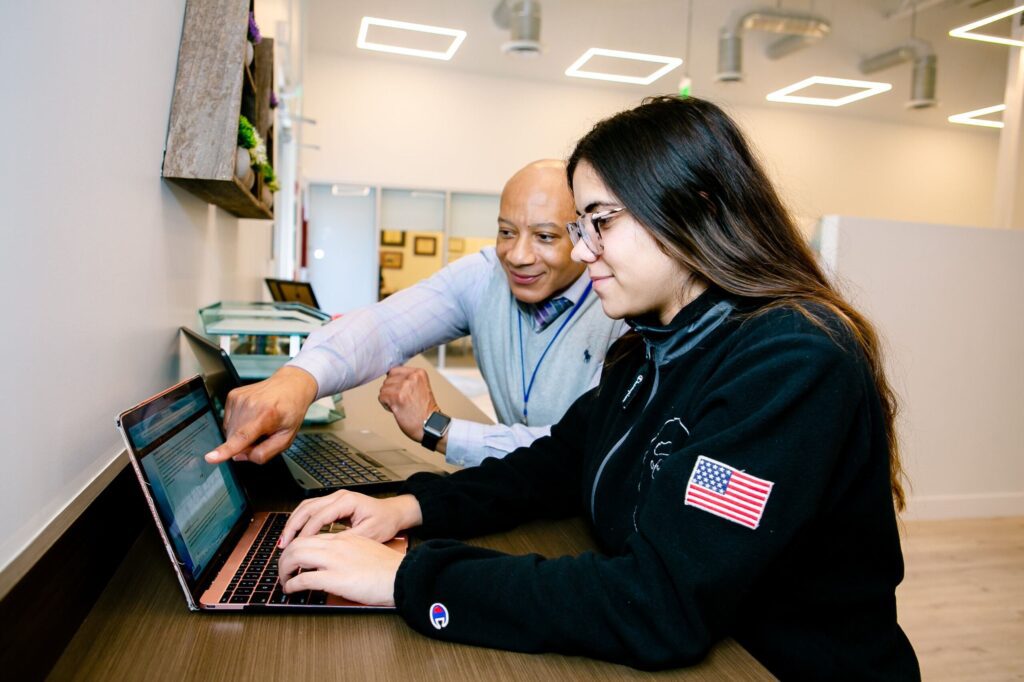
For many families, the decision between a private and a public school represents more than just an educational preference. It’s a reflection of priorities, goals, and values. In South Florida, where families come from diverse backgrounds and expectations for education are evolving rapidly, choosing the right school path can feel both empowering and overwhelming.
Some parents focus on academic rigor, while others emphasize flexibility, safety, or the availability of personalized learning. Some are driven by extracurricular offerings, while others seek college preparedness. What’s consistent is the desire to give each student the best possible foundation for long-term success.
At Xceed Preparatory Academy, we understand this choice isn’t always easy. Every student is different, and so is every family. That’s why we believe in presenting clear, objective insights to help families make informed, confident decisions.
Core Differences Between Private and Public Schools
Understanding the fundamental differences between private and public schools helps families evaluate which environment is better suited to their child’s needs and learning style.
How Tuition, Costs, and Financial Aid Shape the Private vs Public School Decision
When you begin comparing private school vs public school options, cost is often the first question that comes to mind.
A public school is tuition-free for residents, which makes it an accessible option for many families across the United States. However, you may still find yourself paying for supplies, extracurricular activities, transportation, and other fees throughout the school year. These costs can add up, especially as your child moves into middle school and high school, when activities and academic needs expand.
Private schools, on the other hand, charge tuition, and that number can vary widely depending on the type of school, location, and programs offered.
It is helpful to think about cost in terms of long-term value, however. Many private schools invest in smaller class sizes, individualized attention, and strong college counseling. These factors can influence scholarship opportunities later on and help your child find a college that may be a better fit. This could even reduce overall higher education costs.
Multiple financial aid pathways exist: many private schools offer merit-based scholarships, need-based aid, and tuition payment plans. In Florida specifically, there are scholarships for private schools, where qualifying students receive scholarships worth an average of $8,000 through the Family Empowerment Scholarship (FES-EO) and the Florida Tax Credit Scholarship Program (FTC). More than 286,000 students currently participate.
At Xceed Prep, families are guided through this process step by step. The tuition and scholarships office helps you understand what funding options your child may qualify for.
Curriculum and Instruction
Public schools typically follow a standardized curriculum designed to meet state requirements. Public education classrooms are often larger, and each public school teacher is required to meet specific state certifications. While many teachers are deeply committed professionals, the structure may limit their ability to personalize instruction.
Independent schools can provide a more tailored experience. They may offer specific learning plans, early access to college counseling, or specialized instruction that adapts to each student’s pace and goals. Private school teachers often have more flexibility in instructional design, which fosters more student-driven experiences and encourages deeper learning.
Class Size, Student-Teacher Ratios, and the Impact on Personalized Attention
One of the most noticeable differences between a private school and a public school is class size. While this may seem like a small detail, it has a meaningful impact on how your child experiences school each day.
According to education statistics from the National Center for Education Statistics, the average student-to-teacher ratio in private schools is about 12.5 to 1, compared to 15.4 to 1 in a public school. In addition, private schools tend to have smaller overall enrollments.
Research consistently shows that smaller class sizes correlate with stronger academic outcomes. The landmark Tennessee Star Project found that standardized test scores increased by four percentile points the very first year students attend smaller classes.
For many public school students, larger class sizes can make it harder to receive consistent attention, especially in fast-paced environments. Public school teachers work incredibly hard, but they often manage larger groups of students, which can limit the level of personalization they can provide.
At Xceed Prep, small learning communities and low student-to-teacher ratios are foundational. Students receive enough individual attention to build academic confidence, and weekly family communication ensures parents stay connected to their child’s progress.
For student athletes, artists, and travelers, smaller environments also mean more flexibility: Xceed Prep’s personalized schedule planning accommodates demanding training schedules, performance commitments, and travel without forcing students to choose between academics and passions.
Quick Comparison Overview
Cost
Public schools are funded through local and state taxes and do not charge tuition. Private schools require tuition, which varies depending on the institution.
Class Size
Public schools often have larger class sizes, which can limit individualized attention. Private schools typically offer smaller classes, allowing for more focused student-teacher interaction.
Curriculum
Public schools follow a state-mandated curriculum that emphasizes standardized testing. Private schools have greater flexibility to design personalized and advanced academic programs.
Student Support
Support in public schools can be limited by scale and staffing. Private schools often provide more targeted academic and emotional support tailored to each student’s needs.
Learning Environment
Public schools tend to follow a more traditional structure. Private schools frequently adopt innovative learning models, offering greater adaptability and engagement.
How to Decide: Is Private School the Right Choice for Your Family?
Choosing between a private school and a public school is not about which option is better overall. It is about which option is better for your child.
The best place to start is by thinking about your child’s individual needs. Consider their learning style, academic goals, and social preferences. Some students thrive in the structure and scale of public schools, where there are larger peer groups and a wide range of activities. Others benefit more from the personalized attention and flexibility that private schools provide.
As you explore private schools, it helps to ask thoughtful questions such as:
These questions help you move beyond surface-level impressions and understand how the school truly operates.
It is also important to look at how a school supports different types of students. Some private schools are designed for traditional learners, while others are built for students with unique schedules or goals. For example, if your child is pursuing athletics, arts, or travel opportunities, a flexible private school may provide the structure they need without limiting their growth outside the classroom.
The best school choice is the one that allows a student to grow academically, socially, and personally without forcing them into a one-size-fits-all mold. Xceed Prep exists specifically for students and families who want something different from traditional education.
The Benefits of Private Education at Xceed
Choosing a private education doesn’t mean choosing elitism. It means prioritizing fit, flexibility, and future readiness. At Xceed, our model is designed for students who want more than the traditional junior high and high school experience.
Learning on Your Terms
For many private school students, a rigid school schedule creates unnecessary stress. Whether it’s a young athlete balancing national tournaments, a performer traveling for auditions, or a student simply more productive mid-morning than early morning, Xceed offers flexibility that fits real life.
Our students are empowered to learn at their own pace, within a structure that respects both academic goals and personal rhythms.
Personalized Plans That Drive Student Success
Each of our students follows a personalized learning plan, created in partnership with families, advisors, and teachers. These plans evolve as students do, offering support where needed and acceleration where appropriate. For families seeking alignment between academic work and college ambitions, this makes a measurable difference.
From the first day of enrollment, students are supported by college counseling. We offer dual enrollment opportunities, Advanced Placement courses, and enrichment programs tailored to postsecondary goals.
Culture and Community
Smaller class sizes mean more than just fewer desks in a room. They mean community.
Our campuses foster strong peer relationships, mentorship from faculty, and a culture of respect and inclusion. Bullying is uncommon, not because of rules alone, but because of our culture of kindness, accountability, and mutual support.
The result? A place where students feel safe, heard, and valued. A place where they can take academic risks, speak their minds, and grow in ways that reach beyond grades.
Common Concerns and Misconceptions
We often hear concerns about private schools being less diverse or too rigid. At Xceed, these misconceptions don’t apply.
Not an Online School
Though we use technology to personalize learning, Xceed is not an online school. Students attend physical campuses with direct instruction, one-on-one support, and real-time collaboration. This school model is intentionally built to blend flexibility with structure.
Strong Social Fabric
We understand that extracurricular activities and socialization are key parts of development. Xceed campuses host clubs, leadership councils, community service initiatives, and social events throughout the year. Our students lead the way, forming new organizations, initiating campaigns, and building friendships that last far beyond high school.
Academic Rigor with Real-World Prep
Some parents worry that flexibility means a drop in expectations. At Xceed, the opposite is true.
Our standards are high, but we give students the tools and support they need to meet them. Accountability is baked into our system, and our model is designed to prepare students not just for college but for life.
Making the Right Choice for Your Child
When comparing private school vs public school, the best choice is the one that fits your child’s personality, your family’s values, and your vision for the future.
Here are a few questions to consider:
There’s no one right answer for every student. But for many families, Xceed offers the structure they want with the freedom their student needs. It’s a school model built for the modern learner: flexible, supportive, and academically rigorous without being restrictive.
Some students have outgrown the limits of the traditional model. Others are just starting to realize how much more education can offer when it adapts to them. And for those looking ahead to college, careers, or unconventional paths, the right school can make all the difference, not just for grades, but for lifelong growth.
Explore the Xceed Difference
We know that choosing a school is one of the most significant decisions a family can make. That’s why we invite you to experience Xceed firsthand.
With several convenient locations in Florida, our campuses are designed to offer the benefits of both personal attention and academic innovation. From individualized pacing to professional mentorship, Xceed provides the structure, guidance, and freedom today’s students need to thrive.
Our private school admissions process is designed to be welcoming and transparent. We want to get to know your student.
If you’re curious about how our model works, we invite you to connect with a Head of School, schedule a tour, or attend an information session.
Let us show you how Xceed is revolutionizing education at Xceed Preparatory Academy, and how we might be the right partner for your child’s journey.
Private school vs. public school isn’t just a policy debate. It’s a personal one. Find the model that helps your child become the learner, leader, and person they’re meant to be. And for many families, that journey begins right here at Xceed.