
A house needs a solid foundation before additional floors can be added. Learning works much the same way. Students may struggle with advanced material when they have not fully understood the skills and concepts that came before it.
Because students do not all learn at the same pace, mastery-based learning focuses on what they understand rather than simply how much time they have spent on a topic. Learning how this approach works can help families decide whether it offers the structure, feedback and academic support their student needs.
What Mastery-Based Learning Means
Mastery-based learning is an educational approach in which students demonstrate understanding of specific knowledge or skills before moving to more advanced material. Instead of progressing only because a unit, grading period or semester has ended, students work toward clearly defined learning goals.
For example, a student who is still struggling with fractions may receive additional instruction and practice before moving into algebraic concepts that depend on those skills. Another student who already understands the material may begin enrichment work or advance to the next concept.
This approach allows for flexible pacing, but it does not eliminate deadlines, academic expectations or teacher guidance. Students are still expected to complete their work and demonstrate mastery. The difference is that instruction and support can respond more directly to what each student needs.
For students in grades 6-12, a strong foundation can become especially important as coursework grows more complex and future plans come into focus. Mastery-based practices may support preparation for college, careers or other postsecondary paths by helping students understand both what they know and what they still need to develop.
How Mastery-Based Learning Works
Mastery-based learning begins with clear expectations. Students need to know what they are expected to understand or do, while teachers need a reliable way to identify prior knowledge and areas that may require support.
Clear Learning Goals
Teachers define specific learning objectives for a lesson or unit. These goals show students what they are working toward and help teachers measure progress consistently.
A pre-assessment may be used to identify prior knowledge through a short quiz, writing sample, discussion or demonstration. The purpose is to guide instruction, not simply assign a grade. It can show whether a student needs more support or is ready for more advanced work.
Formative Assessment and Feedback
As students work through the material, teachers use formative assessment to check understanding. These ongoing evaluations may include quizzes, exit tickets, discussions, drafts, practice problems or observations.
The results help teachers decide what should happen next. Some students may need direct instruction or guided practice, while others may benefit from small-group support, one-on-one guidance, independent practice or a different explanation. This type of individualized instruction responds to specific learning needs.
Formative feedback also helps students see what they understand, where they are progressing and what still needs attention.
Support, Enrichment and Mastery Checks
Students who have not yet demonstrated mastery may receive targeted practice, reteaching or another opportunity to approach the material. Those who already understand the concept may move into enrichment or more challenging work.
A mastery check may take the form of a test, project, presentation, written assignment or skills demonstration. Schools define mastery differently. Some use percentages, while others rely on rubrics, proficiency levels or several forms of evidence.
Students are evaluated against clearly stated expectations. Once they demonstrate the required understanding, they are ready to move forward.
Mastery-Based Learning vs. Traditional Learning
Traditional education often follows semesters, grading periods and fixed course timelines. In these seat-time models, progress is based partly on the amount of time students spend in a course or classroom. Students generally move through material together. As a result, some may advance before earlier gaps are fully addressed, while others remain on material they already understand.
Mastery-based learning focuses more on demonstrated understanding. Students show that they have learned essential knowledge or skills before moving to more complex material.
The two approaches are not always completely separate. A school may still use traditional schedules, letter grades and graduation requirements while incorporating formative assessment, reteaching and reassessment.
Neither model is automatically better for every student. Strong instruction, clear expectations and reliable support matter in either setting.
Potential Benefits and Challenges of Mastery-Based Learning
Potential Benefits
Mastery-based learning may help teachers identify foundational gaps before students move into more complex material. Specific feedback can also make the next learning step clearer.
Students who demonstrate mastery quickly may receive enrichment or more challenging assignments instead of repeating material they already know. For some learners, reaching clearly defined milestones can build confidence and encourage greater ownership of their progress.
These benefits depend on clear goals, consistent assessment and reliable support.
Potential Challenges
Flexible pacing can make progress harder to compare with conventional timelines. Students who need more time may require additional planning, particularly when slower progress could affect course completion or graduation timelines.
Students who struggle with organization or time management may also need more structure to stay on track.
The model also depends on clear learning goals, consistent assessment criteria and enough teacher support to provide feedback, reteaching and reassessment. Grading, transcripts and course completion may require explanation, especially when families compare mastery-based programs with more traditional schools.
Mastery-based learning is not automatically the best fit for every student. Reassessment should still include deadlines, accountability and clear expectations for progress.
How Mastery, Grades and Progress Are Measured
Schools may use percentages, letter grades, rubrics, proficiency levels or standards-based reports to show whether a student has mastered clearly stated knowledge or skills.
A proficiency scale might describe progress as beginning, developing, proficient and advanced. Another program may require a certain assessment score. Some schools use 80% as a benchmark, but there is no universal percentage that defines mastery.
Families should also ask how reassessment affects grades. A new score may replace an earlier one, or both attempts may factor into the final grade. Schools should explain how mastery-based progress appears on transcripts and connects with graduation requirements.
Regular progress updates can show which skills a student has mastered, where support is still needed and whether pacing may affect course completion.
How Families Can Evaluate a Mastery-Based Program
The term mastery-based can describe different grading systems, pacing policies and teaching practices. Families should look beyond the label and ask how the program works day to day, including how students receive support and how progress is reported. It may also help to learn what to look for when comparing private school options.
Useful questions include:
The right fit depends on how much structure, feedback and academic support a student needs. Families should also consider whether the program’s expectations and reporting system make progress clear to both students and parents.
How Xceed Preparatory Academy Supports Individual Student Progress
Xceed Preparatory Academy provides accredited, college-preparatory education for students in grades 6-12. Its flexible model gives students room to move through coursework at an appropriate pace while remaining connected to instructors and clear academic expectations.
Through blended learning and personalized schedule planning, Xceed considers each student’s academic needs, interests, extracurricular commitments and future goals. Flexible scheduling and self-paced coursework can help students balance those priorities while receiving the guidance they need.
Students may also receive help with organization, time management and executive functioning skills. When appropriate, teachers may adjust assignment rigor to provide additional support or challenge.
Academic options may include honors courses, Advanced Placement classes, dual enrollment and early graduation. Xceed supports students preparing for college, careers, gap years and other postsecondary paths. Available support may also include IEP accommodations, ESE/SPED services and assistance for international students.
Frequently Asked Questions About Mastery-Based Learning
Mastery-based learning is an approach in which students work toward clear goals and demonstrate understanding before moving to more advanced material. Students may receive additional instruction or practice until they are ready to progress.
A student who is struggling with fractions may receive more instruction and practice before advancing to algebraic concepts that depend on those skills.
Challenges may include inconsistent implementation, unclear grading systems, slower course progress and the need for strong time-management skills. Some students may also need more structure and support.
Schools may use tests, projects, demonstrations, writing assignments, rubrics or multiple forms of evidence. There is no universal percentage that defines mastery.
Find a Learning Approach That Fits Your Student
No single learning model works equally well for every student. Families should consider the structure, feedback, academic support and flexibility their student needs, along with future academic or career goals.
Xceed Preparatory Academy offers flexible scheduling, personalized schedule planning and academic support for students in grades 6-12. Families can explore Xceed Preparatory Academy and speak with the admissions team about instruction, progress and scheduling.

For student-athletes hoping to compete in college, a diploma is only part of the picture. NCAA eligibility also depends on completing approved core courses.
Understanding NCAA-Approved Core Courses
NCAA-approved core courses are college-preparatory high school classes that count toward Division I or Division II initial academic eligibility. A class generally must appear on the high school’s NCAA-approved core-course list to qualify.
The NCAA Eligibility Center reviews academic records, athletics information and proof of graduation. Meeting a school’s graduation requirements does not automatically satisfy NCAA eligibility requirements.
Which Classes Count as NCAA Core Courses
NCAA core courses generally fall into a few academic subject areas:
Some computer science courses may also qualify when they receive math or science credit and meet NCAA criteria.
Vocational, remedial and personal-service classes generally do not count. Examples include physical education, driver’s education, auto mechanics and some personal finance courses. Not every elective or online class qualifies.
The 16 Core Courses
Students pursuing Division I or Division II eligibility must complete 16 NCAA-approved core-course credits. The required distribution across English, math, science, social science and additional academic subjects differ by division.
Division I students must also follow the 10/7 rule. They must complete 10 core-course credits before the start of the seventh semester, typically senior year. Seven must be in English, math or natural or physical science. Only approved core courses are used to calculate the NCAA core-course GPA. That GPA may differ from a student’s overall high school GPA.
How Students Can Stay on Track
Planning should begin in ninth grade. Families should review the approved course list regularly and consult a counselor before changing schedules.
Online, dual-enrollment and credit-recovery courses may count, but approval should be confirmed before enrollment. Students should track their core-course GPA and submit transcripts from every high school attended to the NCAA Eligibility Center.
Frequently Asked Questions About NCAA-Approved Courses
What Classes Are NCAA Certified?
Approved classes generally include college-preparatory courses in English, math, science, social science and certain additional academic areas. The course must appear on the school’s NCAA-approved list.
What Is Not NCAA-Approved?
Vocational, remedial, personal-service and some elective courses generally do not count. Online or credit-recovery classes are not automatically approved.
What Classes Are Needed to Be NCAA Eligible?
Students must complete the required mix of approved English, math, science, social science and additional academic courses. The exact distribution differs between Division I and Division II.
What Are the 16 Core Courses?
They are the 16 approved academic credits required for NCAA eligibility. Only courses on the high school’s NCAA-approved list count toward that total.
How Xceed Preparatory Academy Supports Student-Athletes
Xceed Preparatory Academy provides accredited, college-preparatory education for students in grades 6-12. Xceed’s flexible model may help student-athletes balance academics with practices, competitions and travel. Personalized schedule planning, self-paced coursework and blended learning can help students manage those demands.
Academic guidance can also help families consider course schedules, graduation requirements and postsecondary goals. Families should still verify NCAA course approval directly before enrolling.
Plan Early for NCAA Eligibility
Early planning can prevent last-minute surprises. Families should work with a school counselor and the NCAA Eligibility Center throughout high school.
Xceed Preparatory Academy can help student-athletes explore flexible scheduling, course planning and academic support.
If you are researching academic options for middle or high school, you’ve probably heard a lot about AP classes. College admissions officers evaluate them. Guidance counselors recommend them. Students often compare schedules based on them.
But what exactly are AP classes, and how many should your student take?
The answer depends on your child’s goals, interests, and readiness.
At Xceed Preparatory Academy, AP coursework is never treated as a competition. Instead, AP selection is part of personalized schedule planning designed to challenge students while supporting long-term success.

What Are AP Classes (and Why Do Parents and Students Keep Hearing About Them)?
Advanced Placement (AP) classes are college-level courses developed and administered by the College Board. Students take AP courses during high school and complete an AP Exam at the end of the year.
Each AP exam is scored on a scale of 1 to 5:
- 5 = Extremely well qualified
- 4 = Well qualified
- 3 = Qualified
- 2 = Possibly qualified
- 1 = No recommendation
AP courses offer two major advantages. First, they demonstrate academic rigor on a high school transcript. Second, they may allow students to earn college credit, depending on the college’s AP credit policy and the student’s AP exam score.
Families often ask how AP compares to Honors and dual enrollment.
Honors classes provide additional rigor beyond standard coursework but remain high school-level classes. Dual enrollment courses are actual college courses that grant college credit upon successful completion. AP courses follow a nationally standardized curriculum and provide potential college credit based on AP exam performance.
All three options exist at Xceed. The best choice depends on the individual student. Rather than encouraging students to collect as many AP classes as possible, Xceed focuses on building the right schedule for each learner.
The 7 Subject Categories of AP Classes (and What Falls Under Each)
Parents frequently ask, “How many AP classes are there?”
The College Board currently offers 42 AP courses grouped into seven broad categories.
AP Math and Computer Science Courses
This category includes AP Precalculus, AP Calculus AB, AP Calculus BC, AP Statistics, AP Computer Science Principles, and AP Computer Science A.
AP Science Courses
Science options include AP Biology, AP Chemistry, AP Environmental Science, AP Physics 1, AP Physics 2, and AP Physics C courses.
AP History and Social Sciences
Students can choose from courses such as AP U.S. History, AP World History, AP Psychology, AP Human Geography, AP U.S. Government and Politics, AP Macroeconomics, AP Microeconomics, and AP African American Studies.
AP English
The two primary AP English courses are AP English Language and Composition and AP English Literature and Composition.
AP World Languages and Cultures
Language offerings include AP Spanish, French, Chinese, Japanese, German, Italian, and Latin courses.
AP Arts
Creative students may pursue AP Art History, AP Music Theory, or AP Art and Design portfolio courses.
AP Capstone
The AP Capstone program includes AP Seminar and AP Research, which focus heavily on research, analysis, writing, and presentation skills.
While the national AP catalog is extensive, course availability varies significantly from school to school. Many families choose Xceed because students have access to a wide range of AP courses, including AP Biology, AP Environmental Science, AP Psychology, AP Statistics, AP Art History, and AP Spanish Language & Culture, without the scheduling limitations common in larger schools.
The Most Popular AP Classes (and Which Ones Show Up on Almost Every Transcript)
Some AP courses consistently attract the largest numbers of students nationwide. While you might assume math courses top the list, AP English Language and Composition is the most popular AP class to take, according to Best Colleges. Other popular courses include:
- AP U.S. History
- AP Psychology
- AP Biology
- AP Calculus AB
- AP U.S. Government and Politics
- AP World History
- AP Human Geography
These courses often appear on competitive college-prep transcripts because they align with core academic subjects colleges expect students to master.
However, students should not choose AP classes simply because their friends are taking them. A future engineering student may benefit more from AP Calculus and AP Physics, while a future communications major may gain more value from AP English Language and AP Research.
At Xceed, monthly college counseling beginning in 9th grade helps students build schedules around their college goals rather than what’s trending.
Hardest and Easiest AP Classes: Ranked by Difficulty and Pass Rate
Many families search for the hardest AP classes or easiest AP classes before building a schedule.
Courses often considered among the most challenging include:
- AP Calculus AB
- AP Biology
- AP U.S. History
- AP English Literature & Composition
Courses frequently viewed as more accessible include:
- AP Psychology
- AP Environmental Science
- AP Human Geography
- AP Macroeconomics
Pass rates tell only part of the story. A lower pass rate does not automatically make a course a poor choice, and a higher pass rate does not mean a course lacks rigor. The best AP class is the one that aligns with a student’s strengths, interests, and goals.
At Xceed, AP rigor is reviewed regularly. Executive functioning coaching helps students manage workload, organization, and study habits so they can grow without becoming overwhelmed.
How to Choose the Right AP Classes for Your Student (Without Guessing)
Choosing AP classes should be a strategic decision rather than a guessing game.
Families should consider:
- Student strengths and interests
- Intended college major
- Target colleges
- Available time outside the classroom
A Division I athlete’s AP schedule may look very different from a future humanities major’s. Likewise, a performing artist or student with significant travel commitments may need a different balance than a traditional college-prep student.
At Xceed, personalized schedule planning involves collaboration between the student, college counselor, and school leadership team. Schedules are reviewed throughout the year and adjusted when needed.
Small class sizes also make a difference. Students have direct access to teachers, individualized feedback, and support when coursework becomes challenging.
How Many AP Classes Should Your Student Take? Pacing by Grade Level
There is no universal number of AP classes that guarantees college admission.
Many college counselors recommend a progression similar to:
- 9th Grade: 0–1 AP courses
- 10th Grade: 1–2 AP courses
- 11th Grade: 2–4 AP courses
- 12th Grade: 2–4 AP courses
Highly selective colleges often see applicants with 8–12 AP courses across high school. However, many excellent universities are satisfied with students who complete 4–6 AP classes while maintaining strong grades and meaningful extracurricular involvement.
The key lesson is simple: more AP classes are not automatically better.
Admissions officers value strong performance, consistent rigor, and authentic student involvement more than an overloaded transcript.
At Xceed, personalized schedule planning helps students build an appropriate level of challenge while executive functioning coaching supports long-term success.
AP vs. Dual Enrollment: Two Paths to College Credit, One Smart Decision
One of the most common questions families ask is whether AP or dual enrollment is better.
The primary difference is how college credit is earned.
With AP, students may receive college credit based on their AP exam score. With dual enrollment, students earn college credit immediately upon successfully completing a college course.
Each option offers advantages.
AP courses provide nationally recognized rigor and standardized expectations. Dual enrollment offers direct college coursework and immediate credit. Many students benefit from combining both.
At Xceed, counselors help families evaluate transfer policies and determine the right mix of AP and dual enrollment opportunities based on future college goals.
Students enrolled through Xceed Prep Virtual School can also access both AP and dual enrollment pathways through online and hybrid learning options.
What AP Classes Actually Do for College Admissions
AP classes can play an important role in college admissions because they demonstrate academic rigor.
Admissions officers often evaluate the difficulty of a student’s course schedule alongside grades, extracurricular activities, essays, and recommendations. They also consider the opportunities available at the student’s school.
AP classes may also affect weighted GPA. Many schools award additional GPA weight for AP coursework, often increasing GPA calculations more than standard or Honors courses.
Families should also know that a low AP exam score is not necessarily a disaster. Students generally control which AP scores they send to colleges. In most cases, transcript performance and course rigor carry greater weight than a single AP test score.
For students who attend schools with limited AP options, access matters. Xceed provides students with both on-campus AP opportunities and additional flexibility through Xceed Prep Virtual School.
Common Questions Parents and Students Ask About AP Classes (FAQs)
Can a student self-study for an AP exam?
Yes. Students may register for AP exams independently. However, subjects like AP Chemistry, AP Biology, AP Physics, and AP Research are typically much more difficult without classroom instruction and teacher support.
How much do AP exams cost?
In 2026, AP exams cost $99 each in the United States. Eligible students may qualify for fee reductions through College Board programs.
Do AP scores expire?
AP scores remain part of a student’s permanent College Board record. However, colleges may have different policies regarding how old AP credits can be when applied toward degree requirements.
What does an AP year look like at Xceed?
Students typically experience small AP classes, regular support from executive functioning coaches, monthly college counseling meetings, and ongoing schedule reviews. If a student’s goals or workload change, personalized schedule planning allows adjustments throughout the year.
If you’ve been researching prep schools, you’ve probably come across a lot of confusing definitions. Some websites make them sound exclusive. Others focus on tradition or prestige without explaining what life inside one actually looks like. But the answer is simpler than you think.
What Is a Prep School? A Simple Answer for Families Tired of Cookie-Cutter Education
A preparatory school, often shortened to prep school, is a private school designed to prepare students for success in college and beyond.
While every school is different, the best college prep schools combine challenging academics with individualized support so students can reach their potential instead of simply moving through the same schedule as everyone else.
At Xceed Preparatory Academy, we believe college preparation should never be one-size-fits-all. As a Cognia-accredited college preparatory academy serving grades 6-12 across South Florida, we’ve built our model around personalized schedules, small classes, certified teachers, and meaningful relationships that help every student thrive.
The earliest prep schools were created to prepare students for admission into elite colleges and universities. Over time, the model evolved far beyond that original purpose.
Today’s prep schools focus on helping a wide variety of students succeed through personalized education, strong teacher relationships, and thoughtful college planning.
Some are boarding school programs where students live on campus, while others are day schools. Xceed is a day school, allowing students to enjoy the benefits of personalized education while remaining connected to their families and communities.
Prep School vs. Traditional Public High School: Five Differences That Matter
While every school is unique, there are several meaningful differences between a college prep school and a traditional public school.
1. Students Receive More Individual Attention
Nationally, public schools average approximately 16 students for every teacher, according to the National Center for Education Statistics.
Xceed, smaller learning environments mean that teachers build genuine relationships with students that make it easier to identify when students need additional support or greater academic challenge.
2. Schedules Are Personalized
Many traditional schools follow fixed schedules with limited flexibility. Prep schools take a different approach.
At Xceed, personalized schedule planning begins from day one. Students work with advisors to build schedules that reflect academic goals while accommodating athletics, performing arts, travel, work opportunities, or specialized interests.
3. College Planning Starts Earlier
In many large public schools, counselors may be responsible for hundreds of students. That can make personalized planning difficult.
At Xceed, college counseling begins in ninth grade with monthly one-on-one meetings that continue through graduation. Students receive guidance on course selection, testing, applications, essays, scholarships, and college fit throughout high school.
4. Learning Spaces Encourage Collaboration
Traditional classrooms often prioritize rows of desks and lecture-style instruction.
Xceed’s campuses are intentionally designed to feel modern, comfortable, and collaborative. Flexible learning spaces encourage discussion, independent work, and meaningful teacher interaction throughout the day.
5. Success Looks Different for Every Student
Rather than measuring every student by the exact same path, prep schools recognize multiple definitions of success. One student may pursue engineering. One student may pursue engineering, another may focus on fine arts, while another balances NCAA athletics with AP coursework.
7 Benefits Families Notice During the First Semester
Students often notice meaningful changes within the first few months of attending a prep school.
Teachers Know Your Student
Small classes mean teachers quickly learn students’ names, personalities, strengths, and areas for growth. Instead of becoming another face in a crowded classroom, students build authentic relationships with educators who understand how they learn best.
College-Level Opportunities Become Accessible
Students can pursue AP or dual enrollment, and NCAA-approved coursework based on readiness and goals. These opportunities strengthen transcripts while helping students prepare for future academic expectations.
Learning Fits Real Life
Not every student follows the same schedule outside school. A competitive athlete may train every afternoon. A musician may travel for performances. Personalized scheduling allows students to integrate these passions into their educational experience.
Support Is Built into School
Many families spend significant time coordinating outside tutoring, executive functioning coaching, or academic support.
At Xceed, services such as ESE/SPED support, executive functioning coaching, and I-20 programs for international students are integrated into the educational experience whenever appropriate.
Students Gain Confidence
When students experience academic success in an environment designed around their strengths, confidence often grows alongside achievement.
Leadership Opportunities Feel Authentic
Rather than participating simply to build a résumé, students are encouraged to pursue leadership experiences connected to their genuine interests.
Preparation Leads to Opportunity
Xceed graduates have earned acceptance to universities including Columbia University, the University of Miami, Pepperdine University, Purdue University, Loyola Marymount University, and Howard University.
Every student’s path is unique, but thoughtful preparation helps create meaningful opportunities.
The College-Prep Curriculum That Opens Doors
A strong college prep curriculum should provide multiple levels of challenge.
At Xceed, students can choose from:
- Advanced Placement (AP): College-level courses developed by the College Board that may lead to college credit depending on exam scores and institutional policies.
- Honors courses: More rigorous versions of traditional high school classes that encourage deeper analysis and stronger critical thinking.
- Dual enrollment: Opportunities to earn actual college credit while still enrolled in high school.
- NCAA-approved courses: Coursework that helps eligible student-athletes satisfy NCAA academic requirements for Division I and II participation.
At Xceed, teachers, advisors, and executive functioning coaches regularly review student progress to ensure students remain challenged without becoming overwhelmed.
Families seeking additional flexibility can also access many of these same opportunities through Xceed Prep Virtual School.
Built for Athletes, Artists, Travelers, and Students Who Don’t Fit the Traditional Mold
Many students today have responsibilities or passions that don’t align neatly with a traditional school schedule, such as:
- Competitive athletes
- Performing artists
- Working students
- Young entrepreneurs
- Students managing learning differences
- International students adjusting to a new educational system
Traditional schools sometimes require these students to choose between academics and everything else that matters.
Xceed believes students shouldn’t have to make that choice. Personalized scheduling allows classes to adapt as life changes throughout the year while maintaining high academic expectations.
When Should Your Student Start Prep School? Choosing the Right On-Ramp
Families often ask whether they’ve missed the ideal opportunity. Fortunately, there isn’t one perfect answer.
Students entering earlier, during grades 6-8 benefit from years of relationship building, study skills, and confidence before beginning high school.
Ninth and tenth grades remain the most common transition points. Students can establish rigorous coursework, begin integrated college counseling, and thoughtfully build their academic profile over four years.
Transfers during eleventh and even twelfth grade are also possible.
At Xceed, counselors evaluate previous credits, graduation requirements, and college goals before creating a personalized schedule that maximizes the student’s remaining time.
Choosing the Right Prep School: The Questions Every South Florida Family Should Ask
Choosing the right school involves more than comparing tuition.
Ask questions such as:
- Is the school Cognia accredited?
- What is the average class size?
- What advanced academic pathways are available?
- When does college counseling begin?
- How often will my student meet with counselors?
- Can I see an example of a personalized schedule?
- How is academic rigor adjusted if my student needs more support or additional challenge?
- Where have recent graduates enrolled in college?
Is Prep School Worth the Investment?
Tuition is one of the first questions families ask, and understandably so. Prep school tuition varies significantly depending on the school and the services included.
Rather than focusing only on the price, it’s helpful to consider the overall value.
Some families pay separately for tutoring, college admissions counseling, executive functioning coaching, standardized test preparation, and advanced academic opportunities.
A comprehensive prep school often brings many of those resources together under one roof. In addition, the return on investment includes students who are better prepared for the rigors of college study.
At Xceed, we believe a personalized education should be within reach for more families. Depending on eligibility, Florida families may qualify for state-funded scholarship programs, including the Family Empowerment Scholarship, which can help offset the cost of private school tuition. Xceed also offers need-based financial aid and flexible payment plans to make a college-preparatory education more accessible.
The best time to discuss financial options is early in the admissions process so families can understand every available resource.
Choosing a school is ultimately about finding the environment where your child can grow academically, personally, and confidently. If you’re comparing options, exploring a private high school, or wondering how to choose a private school, we invite you to visit one of our South Florida campuses, meet our teachers, and experience firsthand what personalized college preparation looks like.
Frequently Asked Questions
Is every private school a prep school?
No. Every prep school is a private school, but not every private school focuses specifically on college preparation. The term “prep” signals an intentional college-preparatory curriculum and structure.
Do prep schools still have homework?
Yes. Students are expected to complete meaningful academic work outside class, especially in AP, honors, and dual enrollment courses. The goal is rigorous learning, not busy work.
Can students transfer mid-year?
Often, yes. Xceed evaluates existing credits, identifies graduation requirements, and creates a personalized academic plan that minimizes unnecessary repetition whenever possible.
What does a typical week look like?
Depending on the student’s schedule, a week might include AP or dual enrollment classes, extracurricular leadership activities, athletic training, executive functioning coaching, monthly college counseling meetings, and collaborative classroom learning.
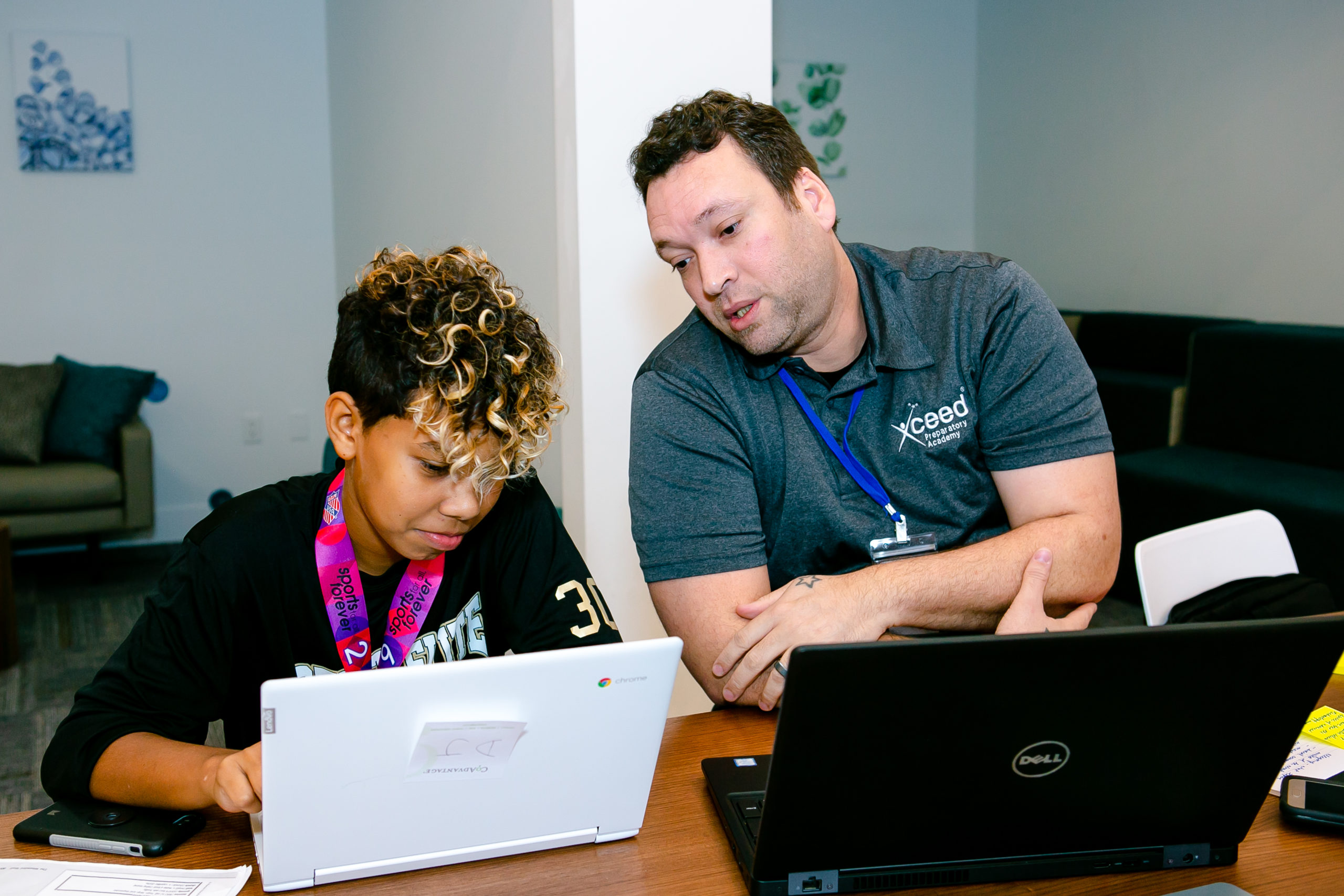
What “One-on-One Teaching Strategies” Actually Mean (and Why Families Should Care)
When educators discuss one-on-one teaching strategies, they are referring to the intentional methods a teacher uses to deliver instruction tailored to an individual learner.
A one-on-one teaching strategy involves how a teacher plans a lesson, asks questions, provides feedback, assesses understanding, and adjusts instruction based on a student’s progress. Every aspect of the learning experience is designed around the needs of a particular student.
This differs significantly from traditional group instruction. In a classroom of 25 or 30 students, instruction is often delivered to the group as a whole. Questions, pacing, and assessment are necessarily generalized. Teachers work hard to reach every student, but practical limitations exist.
With one-on-one teaching strategies, every adjustment is made with a specific learner in mind. The pace can change immediately. Explanations can be reframed. Additional practice can be introduced when needed. More advanced material can be provided when a student is ready.
At Xceed’s South Florida campuses, students benefit from an environment where teachers know them personally and can adapt instruction accordingly. The result is a college-preparatory experience that feels individualized rather than standardized.
Why One-on-One Teaching Outperforms the Cookie-Cutter Classroom
Every classroom contains a wide range of learners.
Some students grasp new concepts immediately. Others need additional explanation and reinforcement. Some thrive through active learning activities, while others prefer direct instruction or structured practice.
In large classrooms, students who struggle may quietly fall behind. Students who master material quickly may become disengaged because they are not sufficiently challenged.
One of the biggest advantages of one-on-one teaching strategies is their ability to reach students who might otherwise get lost in the middle.
Research consistently shows that small classrooms and personalized learning boost engagement.
Smaller classrooms contribute to stronger student engagement, higher motivation, lower anxiety, and increased classroom participation. Students are often more willing to ask questions, make mistakes, and take academic risks when they feel supported by a teacher who knows them well.
Parents often notice confidence improvements before they notice grade improvements.
A student who once avoided participation may begin volunteering answers. A reluctant writer may become more willing to revise assignments. A student who previously viewed themselves as “bad at math” may begin approaching challenges with greater confidence.
For students with learning differences, individualized instruction can be especially powerful. Teachers can modify explanations, adjust pacing, provide scaffolding, and accommodate different learning styles in real time.
At Xceed, personalized learning is not an occasional intervention. It is the foundation of the educational experience.
The 7 Most Effective One-on-One Teaching Strategies
Effective one-on-one teaching does not happen by accident. Skilled educators use proven strategies to support student learning and long-term growth.
1. Establish Clear Learning Objectives
Every lesson should begin with a clear understanding of success.
When students know what they are expected to learn and why it matters, they are more likely to remain engaged and take ownership of their progress.
Clear objectives also help teachers monitor understanding throughout instruction.
2. Ask Open-Ended Questions
Open-ended questions encourage higher-order thinking.
Rather than asking students to recall information, teachers challenge learners to analyze, evaluate, synthesize, and apply concepts.
Questions such as “Why do you think this happened?” or “How would you solve this differently?” promote deeper learning and stronger critical-thinking skills.
3. Provide Immediate Feedback
Feedback is one of the most powerful influences on student achievement.
In effective one-on-one teaching strategies, feedback is specific, timely, and actionable. Students do not wait days or weeks to discover misunderstandings.
Instead, a teacher can address challenges immediately and reinforce positive habits while learning is taking place.
4. Use Scaffolding
Scaffolding is an instructional approach based on the work of psychologist Lev Vygotsky, who found that students learn complex skills more effectively when support is provided in manageable stages.
As confidence grows, the teacher gradually removes support and encourages greater independence.
This teaching strategy helps students build competence without becoming overwhelmed.
5. Encourage Reflection and Self-Assessment
Strong learners understand their own strengths and areas for improvement.
Teachers can promote growth by asking students to evaluate their progress, identify challenges, and develop strategies for future success.
Self-reflection builds independence and self-advocacy skills that extend beyond the classroom.
6. Connect Learning to Student Interests
Personalized learning becomes more meaningful when instruction reflects a student’s interests and goals.
A future engineer may analyze engineering case studies. An aspiring writer may study published essays. A student interested in business may explore real-world economic examples.
These authentic learning opportunities increase engagement and make lessons more relevant.
7. Use Adaptive Learning Technology
Modern educational technology can enhance one-on-one teaching strategies.
Adaptive learning platforms adjust difficulty levels based on performance, provide targeted feedback, and help teachers identify gaps in understanding.
Technology does not replace great teaching. Instead, it gives teachers additional tools to personalize instruction and improve student learning outcomes.
Personalized Lesson Plans: How Teachers Build Learning Around the Student
A truly personalized lesson begins with understanding what a student already knows.
Teachers conduct informal assessments, review previous performance, and identify strengths, interests, and challenges before instruction begins.
From there, lesson plans can be adjusted to reflect the student’s learning style, academic goals, and individual needs.
At Xceed, this process extends beyond a single class.
Personalized schedule planning brings together teachers, school leadership, college counselors, and families to create an educational experience aligned with each student’s aspirations.
Whether a student is pursuing advanced academics, athletics, performing arts, or a specialized career pathway, instruction is designed to support those goals.
The ultimate measure of personalization is simple: does the student’s daily experience actually change based on who they are?
At Xceed, the answer is yes.
How Small Class Sizes Make One-on-One Teaching Strategies Possible
Many schools promote individualized instruction. The reality is that class size often determines whether that promise can be fulfilled.
One-on-one teaching strategies require teacher attention.
A teacher cannot consistently provide personalized feedback, monitor understanding, adjust pacing, and build meaningful relationships with every student in a classroom of 30 learners.
In smaller classrooms, teachers can move freely between students, provide immediate support, and modify instruction based on what they observe throughout a lesson.
This creates opportunities for active learning, discussion, reflection, and meaningful engagement.
At Xceed, classes are intentionally designed to be right-sized rather than overcrowded.
The goal is not exclusivity. The goal is creating an environment where teachers have the capacity to implement the one-on-one teaching strategies that help students succeed.
For families wondering whether smaller classes are better, the answer often depends on whether the classroom structure allows teachers to know and support each student as an individual.
One-on-One Teaching for Students with Learning Differences (ESE/SPED)
For students with learning differences, personalized teaching can make a profound impact.
Accommodations such as extended testing time are important. However, accommodations alone do not change how a student learns every day.
Individualized instruction goes further.
Teachers can adjust explanations, present information in different formats, revisit challenging concepts, and provide additional reinforcement based on student needs.
Students receiving ESE/SPED support often benefit from a combination of explicit instruction, tier 1 instruction, scaffolding, and ongoing feedback.
At Xceed, executive functioning coaching complements classroom instruction by helping students develop planning, organization, prioritization, and self-advocacy skills.
These supports work together to create meaningful growth.
Flexibility does not mean lower expectations. Instead, students are met where they are and supported as they progress toward rigorous academic goals.
One-on-One Teaching for Students with Big Lives Outside the Classroom
Not every student follows a traditional schedule.
Some students are pursuing collegiate athletics. Others are performing artists, entrepreneurs, working students, or international learners adjusting to a new educational environment.
These students need educational models that can adapt to their realities.
One-on-one teaching strategies make that flexibility possible.
When students miss class for competitions, performances, travel, or training, teachers can provide individualized support, adjusted pacing, and targeted instruction that helps maintain momentum.
Xceed Prep Virtual School extends these benefits through online and hybrid learning opportunities that maintain academic rigor while offering greater schedule flexibility.
Monthly college counseling also plays a critical role.
Academic planning, college preparation, extracurricular commitments, and personal goals are reviewed together so students can stay on track without sacrificing opportunities outside the classroom.
For families focused on keeping academics consistent as a student-athlete, personalized learning can be a game-changing advantage.
Frequently Asked Questions About One-on-One Teaching Strategies
Is one-on-one teaching the same as private tutoring?
No. Tutoring typically supplements traditional classroom instruction. One-on-one teaching strategies are integrated into the school’s daily approach to teaching and learning.
Will my student lose social opportunities in a smaller environment?
Not at all. Smaller school communities often foster stronger peer relationships, greater leadership opportunities, and deeper connections with teachers and classmates.
Is academic rigor maintained?
Absolutely. Xceed offers AP, Honors, dual enrollment, and NCAA-approved courses. Personalized learning adjusts support, not expectations.
What does a typical week look like at Xceed?
Students experience small classes, personalized instruction, executive functioning coaching, monthly college counseling meetings, collaborative learning opportunities, and coursework tailored to their goals and interests.
Many families wait until junior year, but course selection decisions begin influencing college options much sooner. Starting in 9th grade allows students to build a stronger transcript, choose appropriate rigor, and develop a long-term strategy.

If you’re a parent of a high school student, you’ve probably wondered: How important are grades in admissions?
The honest answer is that grades matter a lot.
In fact, they remain one of the most important factors in college admission decisions across nearly every type of institution, from large public universities to highly selective private colleges.
According to the National Association for College Admission Counseling (NACAC), an overwhelming majority of colleges assign considerable importance to grades in college-preparatory courses (76.8%) and overall high school grades (74.1%) when evaluating applicants.
That doesn’t mean admissions officers ignore essays, extracurricular activities, recommendation letters, or standardized test scores. It means those pieces are typically interpreted through the lens of a student’s academic record.
The good news? One difficult semester rarely ruins a student’s future. What matters more is how quickly the issue is identified and addressed. A temporary dip in grades can become a story of resilience and growth when students receive the right support.
At Xceed Preparatory Academy, monthly one-on-one college admission counseling begins in 9th grade. Rather than waiting until junior year to discover problems, counselors help families identify concerns early, adjust schedules when needed, and build a stronger path forward. A single rough semester doesn’t have to become a permanent setback when there’s a plan in place.
Why Grades Matter So Much: What a Transcript Actually Tells Admissions Officers
Many families assume good grades are important simply because colleges want smart students. The reality is more nuanced.
Grades are important because they are one of the strongest predictors of future college success. Research from the University of Chicago found that high school GPA is approximately five times stronger than an ACT score at predicting college graduation.
This is closely tied to executive functioning skills. Students who learn how to plan ahead, prioritize tasks, manage time, and advocate for themselves tend to produce transcripts that look intentional rather than accidental.
At Xceed, executive functioning support is integrated into personalized schedule planning. Students learn the organizational and self-management skills colleges value while building an academic record that reflects those strengths.
Which Years and Which Grades Matter Most: Freshman, Junior, or Senior
One of the most common misconceptions families have is that only junior year matters.
While junior year does receive attention because it represents the last year of full grades before an application is submitted, colleges typically review all four years of high school.
An upward trend, where a student struggles early but improves over time, is generally viewed positively. It demonstrates maturity, adaptation, and growth.
A downward trend creates more concern because it suggests declining motivation or increasing academic difficulty.
Junior year remains especially important because it provides the clearest picture of a student’s current academic ability. Strong junior year grades can significantly strengthen a college admission application.
Families should also avoid treating senior year as a victory lap. Most colleges require mid-year reports and final transcripts. Admissions offers are often contingent on maintaining acceptable academic performance.
In fact, approximately 22% of colleges report rescinding at least one admission offer in a given year, with the majority tied to significant declines in senior year grades.
At Xceed, college counselors monitor grade trends continuously. When academic performance begins to shift, personalized schedule planning can be adjusted before small concerns become larger problems.
Course Rigor: Why an A in an Easy Class Isn’t Always Better Than a B in an AP
Grades never exist in isolation. Admissions officers evaluate academic performance alongside the rigor of a student’s coursework. In other words, they are not just asking, “What grades did this student earn?” They are also asking, “How challenging were the classes they chose?”
A transcript filled with less demanding courses may not carry the same weight as one that shows a student consistently pushed themselves in appropriately challenging classes. Colleges want to see evidence that students have taken advantage of the academic opportunities available to them and are prepared for college-level work.
That may include:
At the same time, admissions officers are not looking for students to overload their schedules simply to impress colleges. A student who takes an excessive number of AP courses and earns multiple C grades may raise concerns about judgment, balance, or academic readiness.
The goal is not to take the hardest schedule possible. The goal is to demonstrate a willingness to challenge yourself while still performing well. Colleges generally view a transcript most favorably when it reflects both academic ambition and sustained success.
At Xceed, students have access to AP and dual enrollment, as well as NCAA-approved courses. Through personalized schedule planning, course rigor is adjusted as students grow academically.
Grades vs. Test Scores vs. Activities: How the Pieces Actually Fit Together
Families often wonder whether a strong test score, impressive extracurricular activities, or exceptional leadership can compensate for weaker grades.
Sometimes they help. They rarely replace a transcript.
As more colleges adopt test-optional policies, GPA and course rigor have become even more important indicators of readiness.
Without standardized test scores, admissions officers often rely more heavily on academic history.
Extracurricular activities absolutely matter. But depth generally matters more than quantity.
A student deeply involved in one or two meaningful pursuits often stands out more than a student with a long list of unrelated activities.
However, colleges still want evidence that the student managed those commitments while maintaining solid academic performance. The strongest applications demonstrate both achievement and balance.
At Xceed, personalized schedule planning helps students integrate demanding athletic, artistic, and professional commitments into their academic program rather than forcing them to choose between opportunities.
When Grades Slip: How to Recover Without Losing Your College Options
A bad semester can feel overwhelming. Fortunately, it is rarely permanent.
The most effective recovery plans follow three steps:
1. Identify the Cause
Until the root cause is identified, improvement remains difficult.
2. Add Appropriate Support
Students may benefit from tutoring, executive functioning coaching, accommodations, schedule adjustments, counseling support, or changes in their learning environment.
3. Create an Upward Trend
Admissions officers respond positively when students improve. Stronger grades, better course choices, and increased confidence can dramatically reshape an application narrative. Even a junior with a 3.0 GPA may still have excellent college options depending on course rigor, improvement trajectory, activities, and future performance.
In some cases, transferring schools can be the right decision. A new environment may provide the flexibility, support, and structure necessary for long-term success.
Xceed regularly enrolls students mid-year, evaluates transfer credits, rebuilds personalized schedules, and integrates college admission counseling into the transition process.
What Admissions Officers Actually See: GPA Scales, Recalculation, and Context
One of the most confusing aspects of admissions is GPA itself. Not all GPAs are calculated the same way.
Some high schools use weighted GPAs. Others use unweighted GPAs. Some operate on a traditional 4.0 scale, while others use 100-point grading systems.
Because of these differences, colleges often recalculate GPA.
Many institutions strip away local weighting systems and recalculate core academic subjects such as:
This allows admissions officers to compare students more fairly. Another important document accompanies every transcript: the school profile. This typically includes grading policies, available coursework, GPA calculation methods, and student demographics.
This context helps admissions officers understand academic performance within the environment where it was earned.
As a Cognia-accredited school, Xceed provides transcripts and school profiles that align with college expectations. Counselors use that context when helping students make course selections throughout high school.
Common Questions South Florida Families Ask About Grades and Admissions
Will one bad grade keep my student out of their dream school?
Usually not. One isolated grade rarely determines an admission decision by itself. Admissions officers evaluate the entire transcript and often focus more heavily on long-term trends.
Do colleges see middle school grades?
Generally, colleges review grades earned during high school. Middle school grades typically matter only when they affect placement into advanced high school coursework.
How are international transcripts evaluated?
International students often undergo transcript evaluation so coursework can be compared to U.S. standards. At Xceed, international students attending under an I-20 benefit from academic planning and college counseling that helps align previous coursework with future graduation and college requirements.
When should families begin working with a college counselor?
Earlier than most people think.
Many families wait until junior year, but course selection decisions begin influencing college options much sooner. Starting in 9th grade allows students to build a stronger transcript, choose appropriate rigor, and develop a long-term strategy.

Choosing the right school can shape a student’s academic experience, confidence, and long-term opportunities. For many parents, learning how to choose a private school starts with understanding what kind of environment will help their child thrive.
Families today have more educational options than ever before, including charter schools, magnet schools, Montessori schools, independent school programs, boarding school programs, and flexible private education models. The challenge is finding the right school for your child’s goals, schedule, learning style, and future plans.
At Xceed Preparatory Academy, we believe the search process should focus on personalization, college prep, flexibility, and strong student support systems. Whether your family is comparing a traditional private school, public school, or hybrid learning environment, starting with the right questions can help narrow the search.
Start With Your Child’s Needs, Not the School Brochure
Before scheduling tours or reviewing rankings, you should create a clear pre-search inventory before you even start looking at schools. Focus it around your child’s needs.
Start by asking:
Boarding schools may appeal to families with nationally competitive athletes or international students, while a flexible day-school model can provide more family involvement and local support.
For South Florida families, commute time and campus proximity often play a major role in daily quality of life. A long commute can create unnecessary stress, especially for middle school and high school students balancing academics, extracurricular activities, and training schedules. Xceed’s South Florida campus helps families access personalized learning without sacrificing convenience.
Also at Xceed, personalized schedule planning becomes the “fit mechanism” that connects academic rigor with real-life goals.
Families seeking additional flexibility may also explore Xceed Prep Virtual School, which provides a hybrid-style learning option for students who need greater scheduling freedom while maintaining a college-prep curriculum.
Evaluating Academic Rigor, College Prep & Classroom Tech
Once families identify their priorities, the next step is evaluating academic rigor and long-term college prep outcomes.
You should look beyond course catalogs and ask deeper questions about how the school supports advanced learners, student-athletes, and students pursuing competitive college admissions.
Questions to ask include:
According to the College Board AP Program Results: Class of 2024, 35.7% of U.S. public high school graduates took at least one AP Exam, and 22.6% scored a 3 or higher. Research also shows AP students are more likely to enroll in four-year colleges compared to academically similar peers who did not participate in AP coursework.
At Xceed, students can pursue AP coursework, dual enrollment, NCAA-approved classes, and individualized academic pathways that align with future goals. Smaller class size environments allow teachers to adjust pacing, provide targeted feedback, and support deeper engagement. Technology integration is another important consideration modern families should evaluate.
Many parents want to know whether classrooms use collaborative digital learning tools, project-based technology, interactive platforms, and blended instruction models.
Xceed’s startup-style campuses emphasize modern learning environments designed around collaboration, flexibility, and innovation. Students regularly use digital tools for research, presentations, communication, and independent project work.
Families should also evaluate measurable college outcomes. A school’s alumni acceptances can provide insight into academic preparation and counseling quality.
Xceed students have earned acceptances to universities including:
Evaluating School Culture, Community & Safety
Great academics can’t do their job if the culture saps energy. Go beyond the tour script and study how the private schooling community actually functions.
What to watch on campus
Questions that reveal culture
Faculty and student retention rates can reveal a great deal about a school’s stability and leadership quality. Consistent faculty relationships often improve student engagement, academic continuity, and overall family satisfaction.
You should also ask about parent-school communication. Some schools provide only occasional updates, while others maintain regular communication through advisor meetings, progress check-ins, and counseling sessions.
At Xceed, our small, close-knit communities mean that students feel at home right away. Our close collaboration between parents, advisors, teachers, and college counselors helps students stay supported academically and emotionally. Frequent communication and monthly one-to-one college counseling meetings create a more connected school experience.
Safety and wellness protocols have also become an important decision factor for many families.
The Real Cost of Private School (Beyond Tuition)
For many families, cost becomes one of the biggest factors when comparing private school options.
However, understanding the full cost of private education requires looking beyond tuition alone.
You should also explore Florida’s expanding school choice landscape. In 2025, programs such as the Family Empowerment Scholarship for Educational Options (FES-EO), Family Empowerment Scholarship for Students with Unique Abilities (FES-UA), and the Florida Tax Credit Scholarship continue helping families access private education funding.
These programs may help cover:
The former McKay Scholarship program transitioned into the FES-UA structure, making it especially important for families with students who require specialized learning support to understand updated eligibility requirements.
Florida’s school choice expansion has made private school more accessible to many families who previously assumed tuition would be out of reach.
At Xceed, families can discuss scholarship opportunities, payment plans, tuition structures, and financial aid options transparently during the admissions process.
It’s important to understand the difference between merit scholarships and need-based aid.
Families should also ask whether aid renews automatically each year or requires annual review.
Taking Campus Tours and Asking the Right Questions
A campus visit is the best predictor of fit. Be sure to bring open-ended questions that spark real stories.
Prompts our families love include:
After the visit, debrief with your child. Did the environment feel energizing and respectful? Did adults listen closely and respond with specific examples?
Your child’s answers can offer significant insight in your final school choice.
Navigating Admissions and Enrollment
The best course of action is to start early and keep it simple. You can do this by creating a calendar of deadlines and a single folder for essentials, including transcripts, testing history, recommendation letters, and a short activities résumé. Then, confirm the school’s specific requirements and entrance assessments so you’re working from facts, not guesses.
Next, ask how the evaluation works. Some independent schools use placement or entrance tests, while others ask for interviews, writing samples, or both. Request sample prompts, rubrics, and study guides so your student can prepare with purpose, not pressure. International families should confirm that the school issues I-20s and supports the SEVIS process.
At Xceed, our team can assist with documentation, timelines, and next steps so students arrive ready to begin.
If your child needs ESE/SPED services, ask who sits on the support team and how plans are finalized before day one. Our ESE specialists review psychoeducational evaluations, align accommodations with classroom practice, and coordinate with teachers from the start.
Close with clarity. Ask about acceptance rates, how the wait list moves, and when (and how) decisions are communicated. Confirm deposit deadlines and any deferral options. With a straightforward checklist and clear answers to these questions, families move from “applying” to “enrolling” with certainty.
Ultimately, the right private school is the option that aligns with your child’s goals, learning style, and values.
Here at Xceed Prep, we aim to turn that alignment into action, pairing small class sizes with mastery-based pacing, advisors who truly know each learner, and a schedule that supports passions without sacrificing rigor.
Tell us what your child wants from school, and we’ll build a clear plan that converts aspirations into daily progress.
Are you ready to explore Xceed? We’ll walk with you from inquiry to orientation.
Review our Admissions Process for a Top Private School in South Florida, then connect with an advisor to map next steps.
Curious about long-term outcomes? Read our blog on Public vs. Private Schools For College for insight into how personalized preparation supports strong applications.
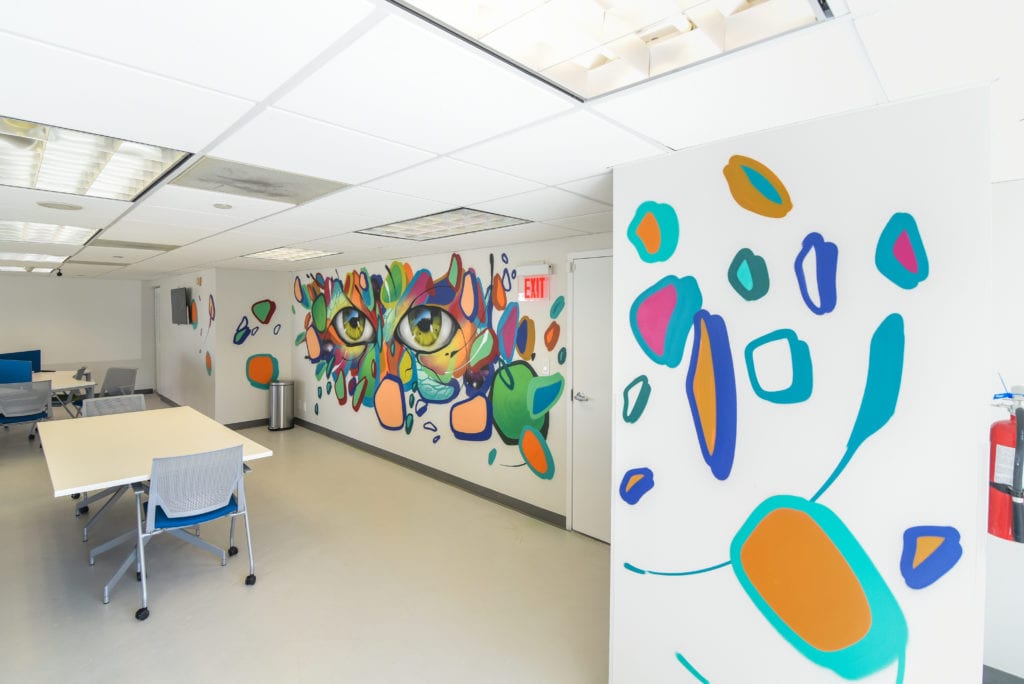
Understanding how to encourage creativity in students is one of the most valuable lessons schools and families can embrace. Creativity is not only about painting a picture or writing a poem. It is a way of thinking that prepares middle and high school students for challenges in college, careers, and everyday life. Encouraging creativity means giving students space to imagine, experiment, and grow into confident problem solvers who can adapt to a changing world.
Understanding the Role of Creativity in Student Success
Creativity gives students the tools to tackle academic challenges and personal growth with innovative thinking. According to UCLA’s School of Education, creative thinking builds resilience and adaptability. These are skills valued by universities and future employers. When students learn how to approach problems with curiosity and flexibility, they are more prepared for the unexpected.
Creative thinking also contributes to college readiness. Whether through creative writing or science experiments, the ability to develop new ideas builds strong communication and problem-solving skills. Gallup research shows creativity extends beyond traditional arts, shaping innovative solutions in science, technology, engineering, and mathematics. STEM-focused creativity can look like designing robotics projects, testing hypotheses in a lab, or developing a new app. In entrepreneurship, it means seeing solutions where others see obstacles.
Parents can support student creativity by noticing everyday problem-solving. A student who organizes their study space in a unique way or finds a clever approach to homework is showing creative skills. These micro expressions of creativity deserve recognition alongside artistic achievements. At Xceed Preparatory Academy, creativity and professional development is integrated across subjects, preparing students for diverse futures that require both academic rigor and creative solutions.
The Science Behind Creative Thinking: How Your Student’s Brain Generates Ideas
When your child comes up with new ideas, it may seem like magic, but there is real science behind creative thinking. In the brain, creativity happens when two systems work together.
Neuroscience research at the University of North Carolina shows creativity involves the interplay between the brain’s Default Mode Network (imagination and daydreaming) and the Executive Control Network (focus and evaluation).
This balance is what allows your child to move from imagination to action. It is also where divergent thinking comes in. This is the ability to come up with multiple answers instead of just one. It is a key part of creative thinking and an essential critical thinking skill for real-world problem solving.
The most important thing to understand is that creativity is not fixed. Studies published in ScienceDirect suggest that your child is not simply born a creative person or not. Research shows that creativity is a skill that can grow with practice. With the right environment, you can foster creativity and help your child develop stronger creative thinking over time.
The myth of the “creative type” can even hold students back. As Edutopia notes, creativity in children needs to be nurtured and encouraged.
At Xceed, students are supported in ways that encourage exploration and innovative thinking. Smaller class sizes allow teachers to recognize each student’s strengths and guide their creative process in a meaningful way.
Creating a Growth Mindset and Supportive Environment
Encouraging creativity often starts with how adults model a growth mindset. When teachers and parents show they value effort and improvement over perfection, students feel safe to take risks. Psychologist Carol S. Dweck, a professor at Stanford University, emphasizes that focusing on process rather than product supports student resilience.
Acknowledging the process means paying attention to the steps a student takes, such as the strategies they try, the persistence they show, or the creative ideas they test out, rather than simply praising the final outcome. The Harvard Business Review notes that process-focused feedback encourages innovation and risk-taking in creative tasks. When students see that adults notice how they think, adapt, and iterate, they grow more willing to explore new ideas and creative solutions. Highlighting strategies and persistence leads to stronger intrinsic motivation and confidence after setbacks.
Many students carry what educators call “art scars,” the belief that they are not creative because of a negative experience in the past. In big public school classrooms, where a single teacher may juggle 18 to 25 students (or more), even an off-hand remark can really damage a student’s self-esteem. Avoiding labels like “the creative one” or “not creative” prevents these biases from shaping a student’s self-concept. Instead, students thrive when they see that creativity is a skill anyone can foster with practice.
A supportive environment plays a key role. In smaller classes, students are more willing to share unconventional ideas without fear of judgment.
At Xceed Preparatory Academy, the culture is intentionally low-pressure and student-centered, giving students room to take creative risks without worrying about harsh consequences. Teachers and counselors provide individualized guidance, often meeting one-on-one to help students reflect, regroup, and keep moving forward. Knowing they can experiment and even fail safely makes students far more willing to dive into creative activities and explore new possibilities.
How a Growth Mindset Fuels Your Student’s Creative Risk-Taking
A growth mindset plays a major role in encouraging creativity. Stanford University Professor Dweck’s study demonstrates that students with a growth mindset are more willing to take creative risks and explore a new creative idea.
Xceed’s supportive faculty help students process setbacks in a healthy way. CouOne of the best ways to support this is by focusing on effort. When you highlight how your child approached a problem, you help them value the process instead of just the outcome. This builds confidence and supports child development in a positive way. nselors encourage students to reflect on their experiences and strategize for future efforts. This kind of reflective practice builds resilience and teaches that risk-taking is essential for growth. Students who learn to embrace failure as part of the journey develop confidence to test innovative solutions.
For example, instead of saying, “That’s amazing, you’re so talented,” you might say, “I love how you tried different approaches to solve that.” This kind of feedback shows your child that effort, persistence, and creative thinking matter more than getting everything perfect.
Mistakes are also key. Every failed attempt is part of learning. Without failing, students become limited in the ways they think and act, according to an Arizona State University study. When your child understands that failure is part of growth, they become more open to trying again and discovering better solutions. This is how you truly foster creativity in kids.
At Xceed, teachers provide personalized feedback that helps each student grow. Through guided support, kids learn that their ideas matter and that creative thinking is something they can strengthen over time.
When you focus on how to encourage creativity, you give your child more than just skills. You give them the confidence to explore, create, and think in ways that will support them for life.
Encouraging Exploration through Flexible Schedules and Diverse Electives
Flexibility is one of the most effective ways to foster creativity. Students who can explore electives alongside core academics often discover passions that shape their future. Flexible scheduling makes it possible for students to pursue creative writing workshops, coding projects, robotics competitions, or entrepreneurship classes while staying on track with math, science, and English.
At Xceed, personalized schedule planning allows students to blend essential academics with electives like music production, graphic design, and sports marketing. Some students even integrate off-campus interests such as internships, performing arts, or athletic training into their school week. This flexibility supports creativity by showing students their ideas have real-world relevance.
Parents and counselors play a central role in building balanced course plans. Asking whether students can adjust their schedules mid-year helps them adapt to evolving interests. Electives become more than just extra classes. They are opportunities to foster creativity, explore new ideas, and connect passions with future goals.
Reframing Failure and Encouraging Risk-Taking
Failure is often misunderstood as the opposite of success. In reality, it is a crucial part of the creative process. When students attempt a creative activity and it does not turn out as expected, the way adults respond shapes whether they try again. Constructive feedback should emphasize effort, technique, and lessons learned rather than blanket praise or criticism.
Xceed’s supportive faculty help students process setbacks in a healthy way. Counselors encourage students to reflect on their experiences and strategize for future efforts. This kind of reflective practice builds resilience and teaches that risk-taking is essential for growth. Students who learn to embrace failure as part of the journey develop confidence to test innovative solutions.
Safe risk-taking creates a foundation for lifelong learning. Students who are allowed to take chances, fail, and try again are better prepared for the challenges of higher education and careers that demand fresh, creative solutions.
Balancing Rewards, Praise, and Intrinsic Motivation
External rewards can sometimes discourage intrinsic motivation, especially in creative pursuits. Instead of tying creativity to unrelated rewards like screen time, parents can provide resources that enhance competence, such as quality instruments, art supplies, or access to digital tools.
Praise is most effective when it highlights effort and creative thinking skills rather than labeling students as “talented.” Recognizing persistence, curiosity, and problem-solving supports a student’s intrinsic motivation to create. For example, praising a student for experimenting with different approaches in a lesson plan reinforces that creativity is about the process.
At Xceed, mentorship and resources nurture student creativity without reducing it to transactions. The focus remains on supporting exploration and giving students the freedom to find joy in creative expression.
Recognizing Micro-Moments and Student Voice
Creativity often appears in small, fleeting ways. These micro-moments happen when a student offers a unique solution in class or expresses an unexpected insight. Teachers who pause to notice these sparks can transform them into valuable opportunities for growth. Listening to and validating a student’s voice in these moments fosters confidence and ownership.
Small class sizes make it easier to spot micro-moments. Teachers can respond to individual contributions, encouraging students to expand on their creative ideas. Project-based learning also amplifies student voice by allowing them to lead with their curiosity and explore topics that interest them. Inquiry-based approaches create space for creative solutions to emerge naturally.
Xceed’s environment is designed to recognize and celebrate student voice. Open-ended projects, supportive feedback, and small group discussions ensure every student has the chance to share their creative expression.
Inspiring Curiosity and Providing New Experiences
Creativity flourishes when students encounter new experiences. Exposure to diverse perspectives expands the imagination and builds curiosity. According to Forbes, creative expression such as drawing or visual representation helps students better understand and retain academic content. The more ways students can connect ideas, the stronger their creative skills become.
Schools can spark creativity by incorporating field trips, cultural events, and community service into lesson plans. Clubs and leadership opportunities also give students space to explore innovative thinking outside the classroom. Cross-disciplinary projects, such as combining art with science or history with digital design, challenge students to make new connections.
Xceed students benefit from clubs, leadership roles, and community initiatives that complement academics. These activities give students ownership of their learning and encourage creative activity in real-world contexts. Parents can reinforce curiosity at home by introducing students to new experiences—exploring different cuisines, attending cultural events or experimenting with hobbies. These shared experiences inspire creativity beyond the classroom.
Bringing It All Together: Fostering a Creative Future
Encouraging creativity is not about a single program or activity. It is a culture of support, exploration, and risk-taking. Parents and educators who recognize everyday creativity, create supportive environments, and provide opportunities for exploration help students develop the creative thinking skills they will carry into adulthood.
From fostering curiosity with diverse electives to recognizing the power of micro-moments, schools like Xceed integrate creativity into every layer of education. By balancing praise, modeling resilience, and offering flexible paths, families and educators can help students thrive in both academics and personal growth.
For families weighing school options, it’s worth considering why choosing private school has unique benefits, especially when creativity is a priority. It is essential for building adaptable, innovative thinkers ready to lead in college, careers, and beyond. Encouraging creativity today equips students to find joy in learning, embrace challenges, and create solutions for tomorrow.

When families begin exploring the idea of a private school, the school tour becomes one of the most important steps in making a careful decision. At Xceed Preparatory Academy, we understand that you want to make the best choice for your child’s education, and that means asking the right questions. A campus tour gives parents and students the chance to meet our staff, see learning in action, and picture what life would be like here.
We’ve put together a detailed guide on what to ask on private school tour visits. By preparing thoughtful questions, you’ll gather the insights you need to identify the right school for your child’s academic goals, personal growth, and family priorities.
School Culture and Values: What to Listen for on a Tour
School culture often shapes a student’s experience as much as the curriculum itself. During a tour, it is important to look beyond mission statements and ask how a school’s values actually appear in daily life.
When thinking about the questions to ask private schools, parents should begin with broad, open-ended inquiries like:
- What is the school’s philosophy and mission?
- How do you see those values reflected during a normal school day?
- Who is your ideal student and how do you define a good “fit”?
- How does the school balance collaboration, competition, and individuality?
- How does the school’s approach to diversity, equity, and inclusion shape the student experience?
- What leadership, advisory, or character-building programs are part of daily life?
The most revealing answers usually come from “show me” questions rather than yes-or-no questions. Instead of asking whether students feel supported, ask something like, “Walk me through how a student would resolve a disagreement here.” Questions like this help families understand how the school responds to real-world situations.
Families should also remember that fit is bi-directional. During a private school admission process, schools evaluate whether a student fits their environment, but families should evaluate the same thing in reverse. Asking what type of student the school is looking for can reveal whether the environment is highly competitive, collaborative, independent, or structured.
At Xceed, we emphasize:
- Personalization
- Flexibility
- Collaboration
Our personalized schedule planning approach allows advisors, teachers, and families to build schedules and support systems around each student’s strengths, interests, and goals. That flexibility is especially valuable for middle school and high school students balancing academics with athletics, creative pursuits, entrepreneurship, or outside commitments.
Parents should also ask about faculty-student interaction. Advisory periods, mentoring programs, lunch interactions, athletic events, and extracurricular activities often reveal more about a school culture than formal presentations do.
Academic Program & Curriculum Questions
Academics are often the centerpiece of a private school tour, but parents should go beyond simply asking whether AP classes are available. The better questions focus on how students learn, how progress is measured, and what outcomes students achieve after graduation. Here are a few questions to ask.
What advanced pathways are offered, including AP, honors, dual enrollment, and NCAA-approved courses?
At Xceed Preparatory Academy, students can pursue rigorous college-preparatory coursework through AP, honors, dual enrollment, and flexible scheduling pathways. Small class sizes allow teachers to personalize instruction while still maintaining high academic expectations.
How is student progress tracked?
Parents should ask to see examples of how student progress is tracked. This could include sample portfolios, progress reports, capstone projects, or student success stories. Looking at real examples often provides a clearer picture than hearing general descriptions of academic support.
What are homework expectations?
Homework expectations are another important topic that families frequently overlook during a tour. Rather than asking for a simple average, ask for homework ranges by grade level.
Research supported by organizations like the National Education Association often references the “10-minute rule,” which suggests approximately 10 minutes of homework per grade level each night. However, workloads often increase significantly in upper school grades, especially in honors and AP tracks.
How is technology integrated into daily instruction?
Technology integration should also go beyond asking whether students use laptops or tablets. Families should ask which learning platforms are used, how AI literacy is taught, how teachers balance screen time with discussion and hands-on learning, and how technology supports collaboration rather than distraction.
Can a student move faster in a subject they’ve mastered and slower in one they haven’t?
Some students may require accelerated pathways while others benefit from additional support. Differentiated instruction is especially important in a private school setting. Schools with strong flexibility should be able to explain how students can move faster in areas of mastery while receiving support where needed.
What are college outcomes?
College outcomes can also reveal a great deal about the strength of a school’s academic preparation. Xceed alumni have earned acceptance to colleges and universities including Columbia University, the University of Miami, Pepperdine University, Purdue University, Loyola Marymount University, and Howard University. Asking where graduates attend college helps families understand whether the school consistently prepares students for long-term success.
Which accreditation body oversees the school, and what standards does that accreditation require?
Accreditation is another question parents should never skip. Rather than simply asking whether a school is accredited, ask which accrediting body oversees the school and what standards the school must meet to maintain accreditation. Strong accreditation standards typically evaluate curriculum quality, teacher qualifications, governance, student outcomes, and operational accountability.
Student Support, Safety, and Well-Being
Strong student support systems are one of the defining features of an excellent private school. Families should ask detailed questions about counseling, safety, learning support, and emotional well-being rather than relying on broad assurances. Here’s how to think about these different elements, as well as some questions to ask.
Mental Health
Today, student mental health is on many parents’ minds. Instead of simply asking whether counselors are available, ask how the school identifies students who may be struggling and what the referral or triage process looks like. Strong schools should have clear systems for recognizing emotional concerns early and connecting students with support.
Some questions to ask about mental health and support include:
- What mental health and counseling services are available on-site?
- What is the counselor-to-student ratio?
- Do students need a parent referral to access counseling support?
- How does the school identify students who may be struggling emotionally or academically?
At Xceed, students receive individualized support through regular advisor and counselor meetings designed to support both academic progress and emotional well-being. Our team also provides Exceptional Student Education (ESE) and Special Education (SPED) services and executive functioning coaching integrated into personalized schedule planning. This combination of flexibility and support is difficult to find at many South Florida schools.
Support for Learning Differences
For students with learning differences, parents should ask specifically how accommodations are implemented inside the classroom. Students with 504 plans and IEP accommodations are protected under Section 504 of the Rehabilitation Act, which requires schools to provide reasonable accommodations. Here are a couple of great questions to ask:
- How are students with ADHD, dyslexia, autism, 504 plans, or IEP accommodations supported day to day?
Safety Protocols
Every parent wants the peace of mind of knowing their child is safe at school. Safety questions during a tour can include three categories:
- Physical Safety: What are the school’s safety drills, campus access control, visitor procedures, and emergency response plans?
- Digital Safety: How are students monitored online and protected from cyberbullying?
- Emotional Safety: What are the school’s anti-bullying programs, counseling access, and conflict-resolution support initiatives?
International Student Considerations
International families should ask detailed questions about timelines and processes for I-20 sponsorship, SEVIS compliance, English-language support, and cultural integration. Xceed has extensive experience supporting international students as they transition into a new academic and cultural environment.
Exploring Extracurricular Activities and Schedule Flexibility
A well-rounded education extends beyond academics. Families should explore how extracurricular activities shape the student experience.
Ask questions like:
- What clubs and leadership opportunities are available?
- Are schedules flexible enough to accommodate outside commitments, such as travel or competitions?
- How can students propose new clubs or initiatives?
Extracurriculars enrich learning and give students opportunities to grow as leaders, artists, or athletes. That’s why we help students balance extracurricular activity involvement with rigorous academics through flexible scheduling. This allows students pursuing sports, arts, or outside commitments to thrive without sacrificing coursework.
Parents should also explore how student-led clubs are developed and how leadership opportunities are distributed. Fees, participation requirements, and transportation arrangements may influence a family’s decision, so clarifying those details during the school tour is essential.
Meeting Teachers and Learning About Class Environment
Teachers play a central role in shaping student success, so families should prioritize asking questions about faculty.
Consider asking:
- What qualifications and experience do teachers have, and what professional development do they pursue?
- What is the teacher retention rate, and what support exists for faculty?
- How accessible are teachers for extra help, mentoring, or office hours?
- How do teachers collaborate across subjects to align curriculum and expectations?
Our staff is composed of highly qualified educators who stay engaged through ongoing training. Small class sizes allow teachers to be accessible and supportive, providing extra help whenever needed. Parents often find that low teacher turnover reflects a strong, positive school culture.
We also encourage families to ask about interdisciplinary projects or team-taught classes. These reveal how teachers collaborate to create a dynamic learning environment for every student.
Tuition, Financial Aid, and Admissions Logistics
Financial planning and admissions logistics are essential parts of choosing the right school. Families should ask detailed questions early, so they fully understand tuition expectations, scholarship opportunities, and admissions requirements. Here’s how to think about these important topics.
Tuition
When on a school tour, costs are always an important topic. Ask questions like:
- What is the full tuition cost, and what expenses are included or separate?
- What financial aid, merit scholarships, and Florida scholarship programs are accepted?
- Does the school accept the Family Empowerment Scholarship (FES-EO or FES-UA) or the Florida Tax Credit Scholarship through Step Up For Students?
At Xceed, families can explore need-based aid, flexible payment plans, and Florida scholarship opportunities for a private school education. We encourage families to request clear tuition breakdowns and sample award letters before enrollment deadlines.
School Governance
It’s a good idea to know whether a school is a for-profit school or a non-profit school. Nonprofit schools are generally overseen by boards of trustees focused on long-term mission fulfillment, while for-profit schools answer to owners or investors. Understanding how a school is governed can help families evaluate financial priorities, accountability, and institutional stability.
Parent Interviews
Families should also ask what the parent interview is intended to accomplish. Some schools treat the parent interview as a collaborative fit conversation, while others use it more as a gatekeeping step during the private school interview process.
Admissions Process
Parents should ask:
- What entrance testing or placement assessments are required?
- What are the deposit deadlines, payment plans, and refund policies?
For entrance testing, parents should clarify whether the school accepts the ISEE, SSAT, internal placement exams, portfolio reviews, or teacher recommendations. Many independent school admissions offices use these tools differently depending on grade level.
Families touring a Christian school may also want to ask whether tuition structures include additional fees related to religious programming, retreats, or uniforms.
Reflecting on Your Child’s Needs and Fit
Ultimately, choosing the right school is about aligning the institution with your child’s strengths and goals. Parents should reflect on specific questions like:
- What unique needs and goals does your child have?
- How will the school personalize learning to align with your child’s aspirations?
- What feedback does your child have after visiting and meeting students?
How can you compare multiple schools using consistent criteria?
We encourage families to include their child’s perspective in the decision-making process. After each tour, we recommend a debrief session where you reflect on what you saw, heard, and felt. This helps center your child’s needs and preferences in the discussion.
Creating a comparison chart can be a useful way to track how each school measures up in areas like academics, extracurricular activities, support, and culture. Fit is about both the tangible details and the impressions that resonate with your family and student.
Plan Your Visit with Xceed Preparatory Academy
Choosing a private school is a major decision, but the right questions can guide you toward clarity. At Xceed, we welcome middle school and high school families to come and experience our culture, meet our teachers, and learn how we create flexible, student-centered education that truly differs from traditional public school settings.
We invite you to tour our campus and see firsthand how our approach can support your child’s growth and goals.
By preparing for your school tour with thoughtful questions, you’ll leave with a deeper understanding of how we can meet your child’s needs today and prepare them for success tomorrow.
Many families across Florida are asking the same question in 2026: how much is private school in Florida now, and how do costs compare to last year?

According to Private School Review, the average cost of private school tuition across the state is $13,826 in 2026. Florida continues to offer mid-range affordability compared to other states, but tuition rates are trending upward due to inflation and expanding educational programs. These increases can also reflect rising operational costs, including educator salaries, facility maintenance, and instructional technology investments.
Averages don’t tell the whole story, and it’s important for families to factor in ancillary fees such as registration, books, uniforms, technology use, extracurricular activities, and testing. While some private schools include these in their annual rate, others bill them separately. These fees can range from a few hundred to several thousand dollars, depending on the school.
Tuition by Grade Level & Region
Understanding the price breakdown by grade level and geography can give families clearer expectations. For instance, when we look by grade level, elementary school tuition averages $13,757, while high school tuition averages $14,499. Middle school tuition typically lands between those figures.
Understanding the price breakdown by grade level and geography can give families clearer expectations. For instance, when we look by grade level, elementary school tuition averages $13,757, while high school tuition averages $14,499. Middle school tuition typically lands between those figures.Regionally, urban areas like Miami-Dade, Tampa Bay, and parts of Broward County typically reflect higher tuition costs than more rural or inland communities. In South Florida, families can expect tuition to exceed averages at some institutions, especially if the school offers specialty programs or elite accreditations.Within counties like Palm Beach and Broward, there’s also intra-regional variability. Factors such as property values, real estate taxes, and the school’s infrastructure can influence tuition – making comparison shopping essential for families. Here’s a breakdown of average costs of tuition by region:
| City | Average cost of private tuition |
|---|---|
| Palm Beach | $19,493 |
| Miami | $17,599 |
| Broward | $14,810 |
| Tampa | $14,001 |
| Orlando | $13,070 |
| Jacksonville | $12,731 |
Other drivers of cost include whether the institution offers boarding, international programs, or advanced STEM, arts, or athletic tracks. Schools with specialized educational models often charge tuition well above regional averages due to the staffing, facilities, and individualized programming required. At the same time, tuition can vary significantly by location. Smaller private schools in less densely populated areas may offer lower rates because of reduced operating costs and lower regional demand.
In South Florida, however, private school tuition tends to sit at the higher end of the state spectrum, particularly across competitive education markets like Miami-Dade and Broward County. Families in these areas are often evaluating schools not only on price, but on academic rigor, student support, college preparation, campus experience, and long-term educational outcomes.
Within that landscape, Xceed Preparatory Academy’s tuition is positioned competitively among other established private schools in the region. Rather than functioning as a budget alternative, Xceed offers families a personalized, college-preparatory learning environment that aligns with the expectations and standards common throughout South Florida’s premium private education market.
Key Factors Driving Florida Tuition
Not all private schools charge the same, and for good reason. While some operate at or below the state average tuition, others double it. Several key factors contribute to this disparity:
- Class size: Institutions offering smaller student-to-teacher ratios – often as low as 10:1 – typically have higher tuition. These settings provide more personalized instruction and support.
- Academic offerings: Schools that offer Advanced Placement (AP) courses, dual enrollment partnerships with colleges, or NCAA-eligible curricula often require additional instructional resources, driving up tuition.
- Facilities and technology: Modern campuses with science labs, performance spaces, or state-of-the-art digital tools invest heavily in infrastructure, and those costs are reflected in tuition pricing.
- Specialized programming: Programs in fine arts, athletics, entrepreneurship, or computer science contribute to a broader curriculum – but also to a higher tuition cost.
At Xceed Preparatory Academy, we prioritize small group instruction, cutting-edge technology, and academic flexibility without excessive overhead, providing value that aligns with results.
Scholarships & Financial-Aid Programs
Families worried about affording the best private schools have more support than ever in 2026. Florida’s robust financial aid programs are designed to make private education accessible across income levels and learning needs. You don’t have to count on public school education alone.
The Family Empowerment Scholarship for Educational Options (FES-EO) remains a leading funding source. Administered by Step Up For Students, the FES-EO provides awards averaging $8,000, with individual scholarships ranging from $7,400 to $9,900 depending on grade and student need.
For students with special needs, the Family Empowerment Scholarship for Unique Abilities (FES-UA) offers dramatically higher awards and tuition assistance. In some cases, high-needs Florida students may qualify for more than $10,000 in funding , covering therapies, transportation, and other individualized services.
The Florida Tax Credit Scholarship also supports thousands of K–12 students annually and is income-based. Many families qualify for both types of funding and can apply online with basic tax and residency documentation.
In addition to state-backed programs, many private schools, including Xceed, offer private grants and merit-based awards. Some institutions also partner with education foundations or nonprofits for additional aid options.
What Sets Xceed Preparatory Academy Apart
At Xceed Preparatory Academy, we understand that private school tuition is a major investment, one that should deliver measurable academic growth, meaningful flexibility, and strong college outcomes. Serving students in grades 6-12 across our South Florida campuses and through Xceed Prep Virtual School, our online school model, is intentionally designed to support students with a wide range of academic goals, learning styles, and schedules.
Student benefits from:
- Personalized schedule planning tailored to each student’s academic level, interests, goals, and daily commitments.
- Fully accredited teachers in a blended learning environment with small, focused classes that encourage individualized support and accountability.
- Certified college counselors who meet one-on-one with students every month beginning in 9th grade, helping families navigate academic planning, college admissions, scholarships, and long-term goals.
- Advanced academic opportunities including AP courses, honors classes, dual enrollment, and NCAA-approved core coursework.
- Flexible scheduling options designed to support student-athletes, performers, entrepreneurs, and students balancing demanding extracurricular or professional commitments.
Our campuses are intentionally designed to foster focus, collaboration, independence, and real-world readiness while maintaining the structure and support families expect from a college-preparatory environment.
For many families comparing Florida private schools, the difference comes down to value. Traditional private schools often combine higher tuition costs with limited scheduling flexibility and generalized college counseling shared across large student populations. Xceed’s model delivers personalized schedule planning, monthly one-on-one college counseling, flexible academic pathways, and advanced coursework opportunities.
We encourage families exploring private education options to review private school tuition in South Florida to better understand how Xceed’s approach aligns flexibility, personalization, and college preparation with long-term educational value.
Real-World Cost After Aid
One of the most common questions we hear is: What’s the real cost after scholarships?
- When awarded an FES-EO award, many Xceed families pay significantly less than the full sticker price. For example, a high school student eligible for multiple scholarships and need-based grants may see their cost fall below $5,000 depending on program and aid level.
Payment flexibility is another advantage. Xceed offers 10- to 12-month payment plans, helping families budget monthly and avoid large lump-sum tuition bills.
Additionally, qualified families can apply 529 education savings to cover tuition. Withdrawals used for K–12 private education are tax-free up to federally allowed limits, offering additional relief.
Cost-Saving Tips for Florida Families
Planning ahead can help Florida families maximize financial support. Consider these tips when comparing costs:
- Apply early: Scholarship programs like FES-EO and FTC have limited funding. Applications typically open in the spring and operate on a first-come, first-served basis.
- Track deadlines: Use a calendar checklist to organize key dates, renewal paperwork, and school admissions timelines.
- Ask about discounts: Some schools offer sibling discounts, early-payment incentives, or multi-year rate locks.
- Use 529 plans strategically: Funds can be applied to K–12 tuition with no federal tax penalty.
- Check with your employer: Some companies provide education reimbursement or dependent education support as part of their benefits package.
Stacking these opportunities can dramatically reduce your out-of-pocket costs – and position your student for long-term success.
FAQ – Florida Private-School Costs
No, tuition payments are not tax-deductible. However, 529 plan withdrawals used for K–12 private school expenses are typically not taxed.
Yes. Most schools – including Xceed – offer monthly installment options to help families manage tuition throughout the year.
Tuition varies widely, but some schools offer high school programs for under $8,000. Xceed’s net tuition may also fall into this range with scholarships or financial aid options.
State scholarships like FES-EO require Florida residency, but international private school students may qualify for merit-based or private aid, depending on the school.
While public funding is standardized by state and local budgets, private-school spending can vary widely. Many private institutions invest more per student in smaller class sizes, personalized learning, and specialized programs not typically offered in public settings.
Some schools charge separately for tech fees, uniforms, sports programs, testing, or materials. Ask about a full fee breakdown during the admissions process.
Book Your Campus Tour
Florida private school costs in 2026 don’t have to be a mystery. With planning, scholarship support, and flexible models like Xceed’s, families can access a premium private-school experience without overextending financially.
Ready to calculate your family’s potential tuition at Xceed? Begin by reviewing Florida’s scholarship estimator and preparing key documents like proof of residency, household income, and prior school transcripts.
To streamline the process, we recommend reviewing the admissions process for a top private school in South Florida. Here, you’ll find:
- Application checklists
- Document upload portals
- Placement assessment details
- Interview scheduling tools
Once you’re ready to see what life is like at Xceed, book your private campus tour. Our advisors will walk you through academic offerings, financial aid, and daily life on campus. Visit our Florida private school locations to find the campus closest to you.
Let us help you navigate the next step in your student’s journey. Contact us today to ask questions, explore personalized tuition plans, and reserve your tour.